
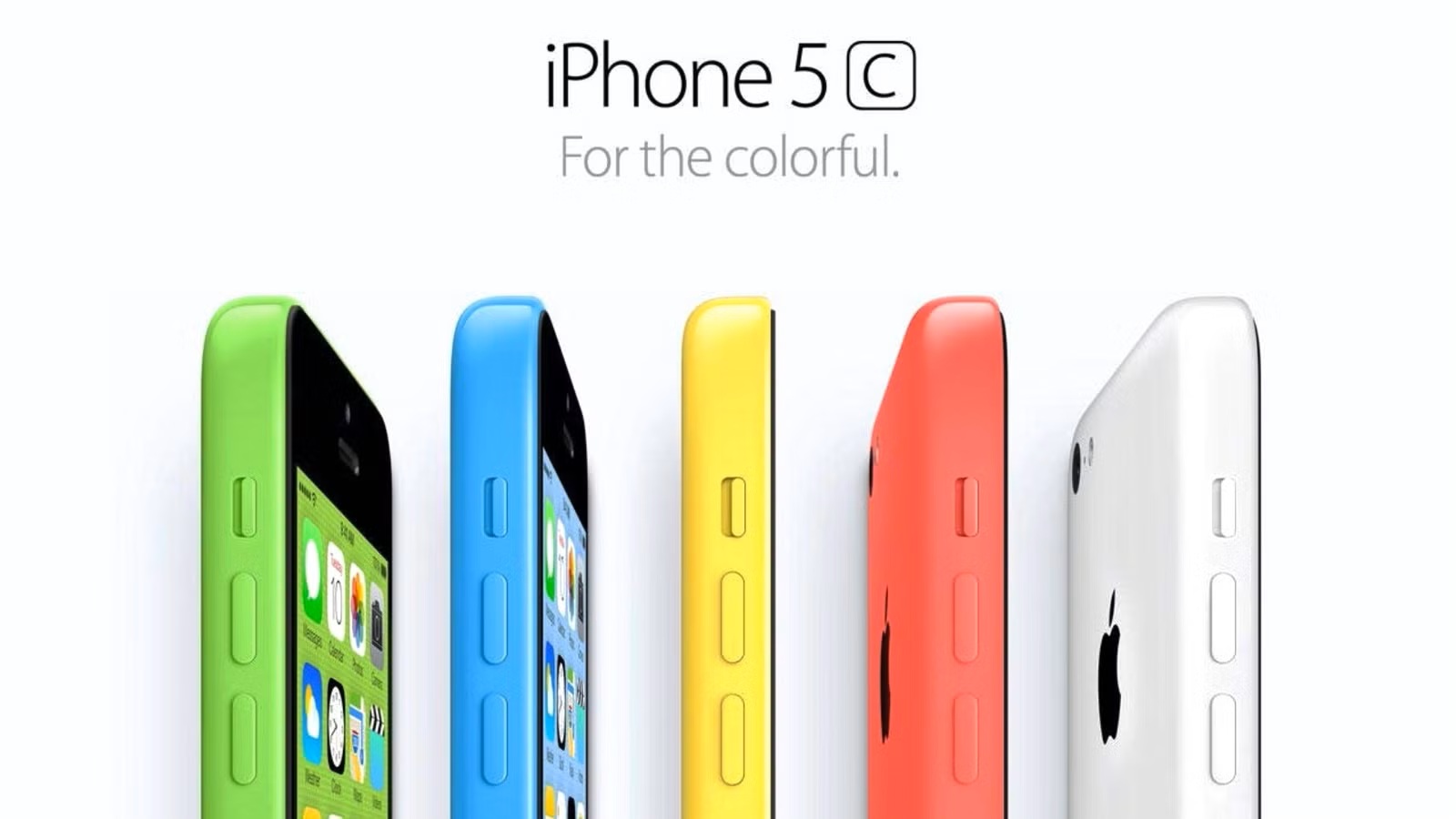
iPhone 5c Makes a Comeback — Why Gen Z Is Obsessed with Old Phones and "Imperfect" Photography
iPhone 5c Returns from the Past — Gen Z Rediscovers the Colorful Plastic Phone
In a year when Apple launches its most expensive iPhone ever, a segment of Gen Z is enthusiastically moving in the exact opposite direction — toward a phone released in 2013, officially declared obsolete on Apple's own list. The iPhone 5c is back in the spotlight, not because it's "better" but because it's completely different.
Why the iPhone 5c Specifically?
The appeal behind the iPhone 5c is pretty simple. Gen Z is drawn to how different it feels from modern phones. Today's smartphones mostly look like polished slabs of metal and glass. The iPhone 5c, on the other hand, is bright, plastic, cheerful, and a little awkward in a way that now reads charming rather than cheap.
The phone was a bold bet from Apple in 2013 — a budget device in loud colors (green, blue, yellow, pink, white). It wasn't met with enthusiasm at the time, but it's now exactly what a generation looking to stand out is searching for.
The Charm of "Bad" Photos
Another reason for the renewed interest is the camera. A specific on-screen caption notes that the iPhone 5c is trending thanks to its grainy photo quality. The softer and lower image quality fits neatly into the broader social media obsession with imperfect digital aesthetics, particularly with older digital cameras. What used to feel outdated now reads as character.
Modern AI-enhanced photos are corrected, optimized, and automatically processed. An image looks exactly like what you shot, without the hindrance of some tech running to correct your images. That's precisely what part of Gen Z wants — raw, unfiltered reality.
The "Young-tro" Phenomenon
Researchers call it "Young-tro" — a blend of Young and Retro — describing the new wave of nostalgia among Gen Z. Instead of sleek, modern smartphones, they gravitate towards older models with physical buttons.
Tech Anxiety Pushing Toward the Past
Some members of Gen Z feel so pessimistic about the future of modern technology that they want to go back in time. The desire to live in the recent past is part of a growing trend among young adults interested in the culture, fashion and technology of the 1980s, '90s and early 2000s.
Nostalgia for a previous era can bring a sense of community and comfort to Gen Zers who are anxious about an uncertain technological and geopolitical future.
What Psychology Says
Nostalgia researcher and existential psychologist Clay Routledge said: "When there's a lot of disruptions — political divisiveness, or worries about AI or other kinds of societal, technological or social, cultural changes — people tend to become more nostalgic for the past to help them with the things that they're worried about."
Dumbphones — The Less-Smart Smartphone Trend
Young adults are also selling off their main smartphones to buy phones that can barely send a text message. This vintage tech revival is not an empty fad, but a full-scale movement accompanied by the craving for digital minimalism and a nostalgic look that cannot be achieved by present high-end devices.
FAQs
CONTACT US
©2026 MobiTech Integrated Solutions. . All Rights Reserved