
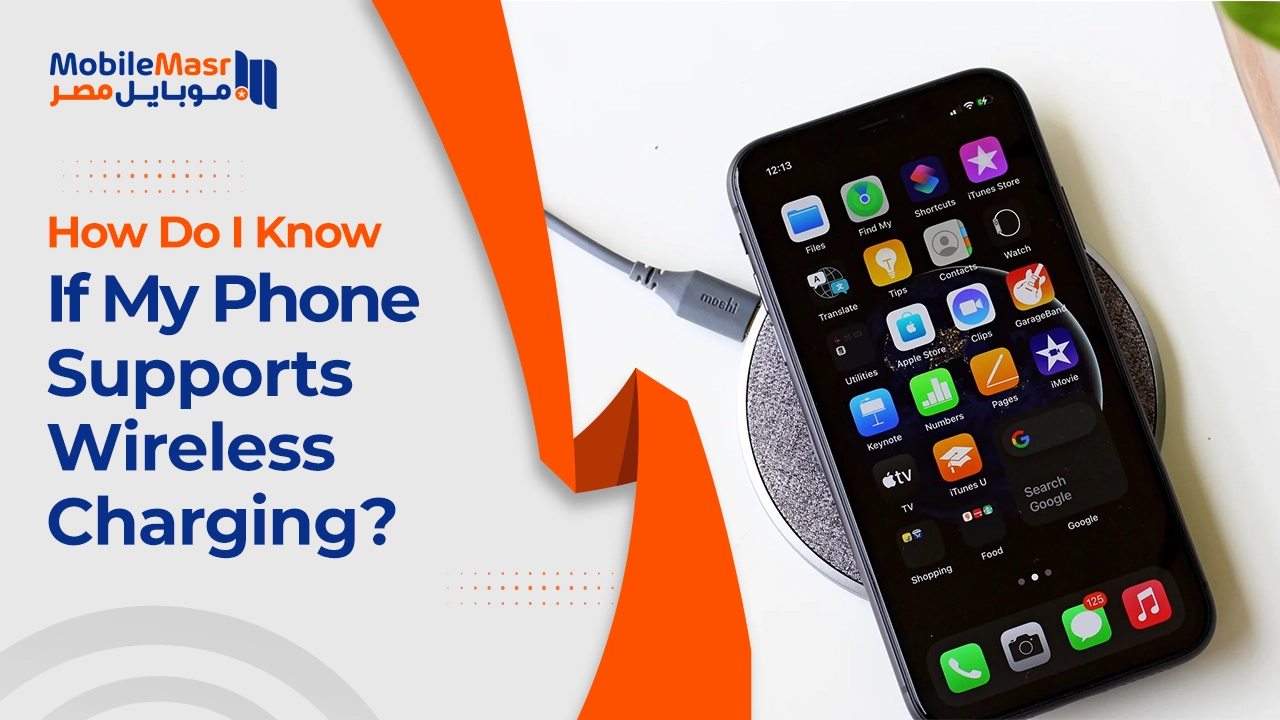
How to Know If My Phone Supports Wireless Charging — Complete Guide with Supported Devices List
How to Know If My Phone Supports Wireless Charging
Wireless charging has become one of the leading technologies bringing radical change to how we charge our smart devices. Instead of relying on traditional cables and wires, this type of charging offers a more convenient and comfortable solution — reducing clutter and improving the daily user experience. The technology relies on the physical principles of energy transfer via electromagnetic fields, opening new horizons for applications in phones, smartwatches, and even electric cars.
What Is Wireless Charging and How Does It Work?
Wireless charging is a modern technology that allows electronic devices to be charged without physically connecting them to cables or wires. It relies on the principle of electrical energy transfer using electromagnetic fields. This is done by placing the device to be charged on a special charging pad containing a magnetic coil that generates an electromagnetic field. When a wireless charging-capable device comes near the pad, this field is received and converted back into electrical energy used to charge the battery.
The Qi Standard — The Global Wireless Charging Standard
One of the most common standards in this technology is Qi, developed by the Wireless Power Consortium. Qi is the most widely adopted standard, supported by most modern smartphones from companies like Samsung and Apple. Qi technology relies on the principle of electromagnetic induction, where energy is exchanged between two coils — one in the charging pad and one inside the device.
Qi is distinguished by its high efficiency and compatibility with a wide range of devices. It also supports advanced safety technologies that prevent the device from overheating or receiving excess energy that could damage the battery.
Beyond phones, this technology has begun making its way into other devices such as wireless earphones and even electric cars. Thanks to continuous advancements, this technology is expected to become an inseparable part of our daily lives.
How Do I Know If My Phone Supports Wireless Charging?
To check whether your phone supports wireless charging, there are several simple steps you can follow:
First: Check your phone's specifications in the included user manual or on the manufacturer's official website. Look for keywords such as "Wireless Charging" or the Qi standard.
Second: If you're still unsure, visit your phone's Settings — some devices show this feature in the Battery section.
Third: If you can't find clear information, search online for your phone model alongside "supports wireless charging" to determine whether the feature is available.
Finally: You can try placing your phone on a Qi-compatible wireless charging pad. If charging starts automatically, your phone supports the technology.
Most Popular Phones That Support Wireless Charging
In recent years, wireless charging has become one of the key features users look for when choosing smartphones. Here is a list of the most popular phones that support wireless charging:
Samsung phones: Samsung Galaxy S23 Ultra, Samsung Galaxy Note 20, Samsung Galaxy Z Fold 4, Samsung Galaxy A54, and the Galaxy S6 series and above.
Huawei phones: Huawei P50 Pro, Huawei Mate 40 Pro, Huawei P40 Pro, Huawei Nova 9.
Other phones: Apple iPhone 14 and iPhone 14 Pro (and all iPhone models from iPhone 8 onwards), Google Pixel 7, OnePlus 10 Pro.
What If My Phone Doesn't Support Wireless Charging?
If your phone doesn't support the technology directly, there are alternative solutions such as using special cases equipped with wireless charging capability. This technology adds great convenience to daily life, so checking whether your phone supports it can be a useful step to take advantage of it.
Final Thoughts
Wireless charging is no longer a luxury feature — it has become a standard in the modern smartphone world. Whether you own an iPhone, Samsung, or Huawei, check if your device supports the Qi standard and enjoy a cable-free, clutter-free charging experience every day.
FAQs
CONTACT US
©2026 MobiTech Integrated Solutions. . All Rights Reserved