
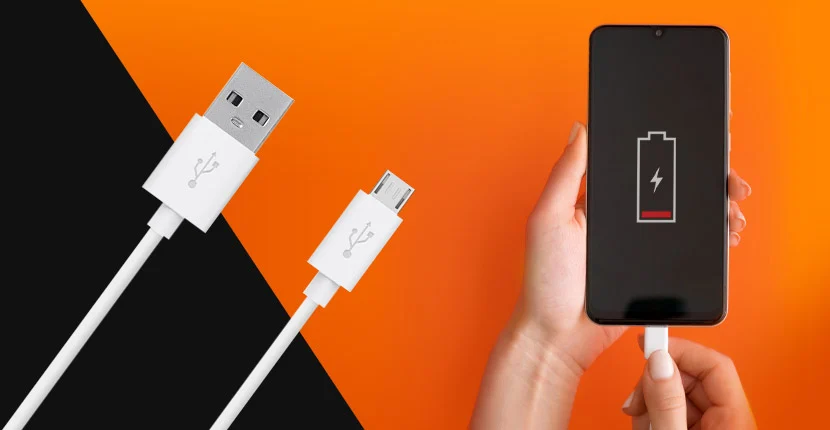
How to Charge Your Phone Battery the Right Way to Make It Last Longer
How to Charge Your Phone Battery the Right Way
Your phone's battery doesn't just wear down from heavy use — it also degrades from everyday charging habits you might not even think twice about. Most of what people believe about phone charging is either outdated or simply wrong. Modern smartphones use lithium-ion batteries, which behave very differently from the older nickel-based batteries, so the old advice about draining your battery completely before charging actually does more harm than good.
Tip One: Don't Leave Your Phone on the Charger After It's Full
One of the most common mistakes people make is plugging in their phone overnight and leaving it until morning. Lithium-ion batteries experience stress when they sit at 100% for extended periods. The combination of high voltage and the heat generated keeps the battery in a strained state that accelerates long-term degradation. Try to charge your phone a couple of hours before bed and unplug it, or take advantage of the Adaptive Charging or Optimized Battery Charging features available on most modern phones, which automatically pause charging at 80% and complete the final 20% just before your usual wake-up time.
Tip Two: Keep Your Battery Between 20% and 80%
This is the single most important rule for extending lithium-ion battery life. Batteries experience the most stress at both extremes — when they drop to 0% and when they sit at 100% for too long. Research shows that keeping your battery within this range can significantly increase the total number of charge cycles your battery handles before degrading, potentially doubling its useful lifespan. You don't need to be obsessive about it, but making this your general habit makes a real difference over time.
Tip Three: Charge in Small, Frequent Top-Ups
The old idea that you need to fully drain your battery before charging is completely wrong for lithium-ion batteries — it was only relevant for older nickel-based cells. The opposite is actually true. Topping up your battery in small amounts throughout the day is far better than waiting until it's nearly empty and then doing a full charge. Studies show that batteries charged with frequent partial cycles can handle up to twice as many charge cycles compared to those that go from zero to full every time.
Tip Four: Keep Heat Away While Charging
Heat is the number one enemy of lithium-ion batteries. When your phone gets hot while charging — especially if you're also playing games or streaming video at the same time — it doubles the stress on the battery. Avoid using power-intensive apps while charging, don't place your phone under a pillow or in a hot environment during charging, and if you notice your phone getting unusually hot, unplug it and let it cool down before resuming.
Tip Five: Use the Original Charger or a Certified Alternative
Cheap, uncertified chargers can deliver inconsistent voltage to your battery and cause damage over time. Use the charger that came with your phone or a certified charger from a reputable brand. The fast charging built into your phone is designed to be safe for the battery — it delivers high power when the battery is low and gradually reduces it as the battery fills. However, relying on it exclusively every single day does generate more heat than standard charging, which can have an impact over the long run.
Tip Six: Enable Your Phone's Built-In Battery Protection Features
Most modern phones now come with built-in battery health features. On the iPhone, it's called Optimized Battery Charging. On Android, you'll find Adaptive Charging. These systems learn your daily routine and manage the charging process intelligently — holding at 80% and only completing the final top-up just before you typically wake up, which significantly reduces the time your battery spends sitting at full charge.
FAQs
CONTACT US
©2026 MobiTech Integrated Solutions. . All Rights Reserved