
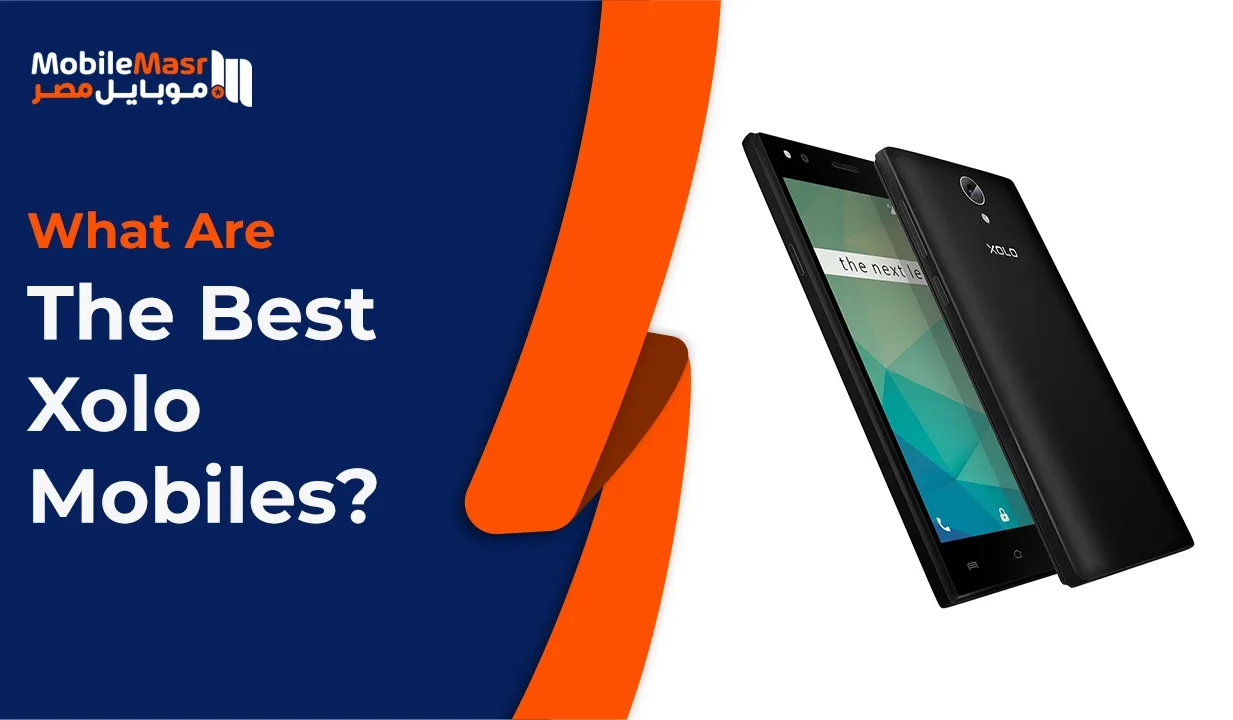
What Are the Best Xolo Mobiles to Buy in 2026?
What Are the Best Xolo Mobiles to Buy in 2026?
When it comes to budget-friendly smartphones that punch above their weight, Xolo has carved out a distinctive space in the Indian and emerging-market smartphone ecosystem. If you've been browsing for a device that delivers reliable performance without draining your wallet, the best Xolo mobiles deserve serious consideration. The brand's philosophy has always been about democratizing technology — giving everyday users access to capable hardware at prices that don't feel like a financial commitment. In 2026, that philosophy remains as relevant as ever, particularly for first-time smartphone buyers, students, and users who need a no-nonsense secondary device.
What Is the History and Background of Xolo as a Brand?
Xolo was officially launched in 2012 as a sub-brand of Lava International, one of India's most established mobile hardware companies. The brand made headlines almost immediately when it introduced India's first Intel-processor-powered smartphone — the Xolo X900 — a device that signaled the brand's intention to compete not just on price but on innovation. This was a remarkable milestone for the Indian tech industry, which had until that point largely been dominated by imported devices from global giants.
Following that early momentum, Xolo moved quickly to expand its lineup. By 2013, the brand had launched its first 4G-enabled device in India — the LT900 — cementing its reputation as a forward-thinking company. The Xolo Q series (Q700, Q1000 Opus, Q2000, Q3000) became particularly popular during the mid-2010s, offering solid MediaTek-powered performance at prices that made them accessible to a wide demographic.
One of the brand's most notable innovations came in 2015 with the launch of the Xolo Black — one of India's earliest dual-camera smartphones, released in partnership with Flipkart. The Era series, launched around the same time in partnership with Snapdeal, further broadened the brand's reach across the budget segment. The Era lineup covered everything from the basic Era (2015) to the more refined Era 4X (2019), demonstrating consistent product iteration over several years.
Throughout its history, Xolo has been supported by the deep manufacturing and supply chain expertise of its parent company, Lava International, which has allowed it to maintain competitive pricing even as component costs rose globally. The brand also made some genuinely interesting hardware partnerships, including collaborations with AMD for tablets and a notable partnership with Liverpool FC for a limited-edition smartphone in 2015.
Understanding this history helps put the best Xolo mobiles of 2026 in proper context — this is not a brand that stumbled into the market. It built its reputation through calculated product decisions and a clear understanding of what budget buyers actually need.
Why Did Xolo Become Popular Among Budget Smartphone Buyers?
The popularity of Xolo among budget-conscious consumers comes down to a few consistent strengths that the brand has maintained since its inception. First and foremost is price accessibility. Xolo's Era series devices were historically priced between INR 5,000 and INR 10,000 — a range that translates to roughly $60–$120 USD depending on exchange rates — making them genuinely attainable for users who couldn't stretch to a mid-range offering.
Beyond pricing, Xolo built its reputation on delivering features that were often ahead of the price bracket. Including 4G connectivity when many budget phones were still 3G-only, offering Gorilla Glass protection on budget handsets like the Era X, and integrating dual cameras when that was still considered a premium feature — all of these decisions earned the brand genuine loyalty.
Xolo also benefited from a clean Android experience without the bloatware that plagued some of its competitors. Its Hive UI was a lightweight overlay that didn't significantly burden the typically modest hardware specs of its devices. For buyers who prioritized a snappy, lean software experience over flashy but laggy custom skins, Xolo's approach was refreshing.
The best Xolo phones also tended to be well-built for their price points, featuring designs that didn't immediately telegraph their budget origins. Gorilla Glass on the Era X, solid plastic construction across the lineup, and thoughtful ergonomics made these devices feel more considered than their prices implied.
Finally, Xolo's exclusive partnerships with major e-commerce platforms like Flipkart, Amazon, and Snapdeal made its devices easy to discover and purchase — a strategic advantage in a market increasingly moving to online retail.
Is Xolo Still a Relevant Smartphone Brand in 2026?
This is a fair and important question. Xolo's most prolific product years were between 2012 and 2019, and the brand has not maintained the same release cadence since then. However, calling Xolo irrelevant would be an oversimplification. The brand's existing lineup continues to circulate in secondary markets and among value-seeking buyers who prioritize proven performance over bleeding-edge specs. For buyers in emerging markets — particularly those upgrading from feature phones or very old smartphones — a Xolo device running a clean version of Android still represents excellent value.
It's also worth noting that Xolo's parent company, Lava International, has itself been revitalizing its brand with fresh product launches and renewed focus on the Indian domestic market. Xolo benefits from this corporate momentum even when it's not making headline-grabbing product announcements. The best Xolo mobiles in 2026 are devices that may not dominate tech news cycles, but consistently deliver on their core promise: reliable, affordable smartphones for real-world users.
For buyers in markets where international brands carry premium pricing or limited availability, Xolo remains a compelling, well-supported alternative worth exploring.
What Countries Is Xolo Most Popular In?
Xolo's primary market has always been India, where it operates under the strong brand equity of its parent company, Lava International. The Indian budget smartphone segment remains one of the most competitive and dynamic in the world, and Xolo has maintained a meaningful presence there throughout its history.
Beyond India, Xolo has had notable traction in the UAE, where it is officially listed as one of its served markets. Several Xolo devices have found audiences in other South Asian markets, including Bangladesh and Sri Lanka, where the demand for affordable 4G devices has remained robust.
In certain African and Middle Eastern markets, Xolo phones have appeared through grey market channels and online resellers. While the brand doesn't have official retail infrastructure in many of these regions, the global reach of platforms like Amazon and third-party cross-border sellers has made Xolo devices accessible to international buyers willing to import. The brand's recognition in Egypt and surrounding markets falls primarily into this category — discoverable online, though not officially distributed through a dedicated regional network.
What Are the Best Xolo Mobiles in 2026?
Selecting the best Xolo mobiles from the brand's catalog requires balancing several factors: chipset capability, camera quality, battery capacity, display specs, and of course, price. Below is a thorough breakdown of the standout models across different use cases and budgets.
What Are the Top 10 Best Xolo Mobiles You Can Buy Right Now?
The following models represent the cream of the Xolo lineup based on overall performance, user satisfaction, and value delivery:
- Xolo Black 3GB — The most premium device in Xolo's history, featuring a Snapdragon 615 chipset, a 5.5-inch display, dual rear cameras (13 MP + 2 MP), 3 GB RAM, 16 GB storage, and a 3,200 mAh battery. This remains the closest Xolo ever got to a true mid-range contender.
- Xolo Black — The original Black with a Snapdragon 615 processor, 2 GB RAM, and a dual-camera setup was a landmark device for the brand. At 5.5 inches with Gorilla Glass 3, it offered display quality rarely seen at its launch price.
- Xolo Era 4K — A crowd-pleaser in the budget segment, the Era 4K packed a 4,000 mAh battery (massive for its era), a MediaTek MT6735P chipset, and Gorilla Glass 3 protection — a combination that made it excellent for battery-focused users.
- Xolo Era 2X — Powered by the MediaTek MT6737, the Era 2X offered 3 GB RAM, 16 GB storage, an 8 MP rear camera, a 5 MP selfie camera, and a 2,500 mAh battery in a compact 5-inch form factor.
- Xolo Black 1X — This model featured a MediaTek MT6753 chipset, 3 GB RAM, 32 GB of internal storage, and a 13 MP primary camera — remarkable for a budget device. It also used Asahi Dragontrail Glass for screen protection.
- Xolo Era X — A solid entry-level device with Gorilla Glass, a Spreadtrum SC9830A chipset, 2 GB RAM, and dual-SIM support. Reliable, simple, and well-priced.
- Xolo Era 1X — With a 2,500 mAh battery, 8 MP rear camera, and clean Android experience, this was a popular choice for first-time smartphone users.
- Xolo Q3000 — One of the earlier Q-series devices with a large display and capable MediaTek processor. A nostalgic pick that still functions well as a secondary device.
- Xolo Era 2 — The Spreadtrum SC9832A chipset and 1 GB RAM make this entry-level in every sense, but its compact size and clean software made it easy to recommend for basic users.
- Xolo Era 4G — The Era 4G brought LTE connectivity to the ultra-budget segment, making it an important bridge device for users moving from 3G to 4G networks.
These models collectively define what the best Xolo phones look like across different generations and use cases.
Which Xolo Mobile Offers the Best Value for Money in 2026?
Among all options, the Xolo Era 2X stands out as the best value proposition — particularly in secondary markets where it can be found at very competitive prices. Its combination of 3 GB RAM, a MediaTek MT6737 chipset, and a dual-camera setup gives it utility well beyond its original launch price. If you find it at a price below $60 USD, it represents exceptional value for light-to-moderate daily use.
The Xolo Black 1X is another strong value pick for users who want more storage — 32 GB internal — and a capable 13 MP camera without spending mid-range money. The Xolo mobile performance on these devices, while not cutting-edge by 2026 standards, remains entirely functional for calls, messaging, social media browsing, and media consumption.
What Are the Best Xolo Mobiles Under a Budget Price Range?
For buyers working with a tight budget, the Era series is where Xolo's value shines brightest. The Era 4K, Era 2X, and Era X are all devices that have now settled into the sub-$50 range in secondary markets. What makes them stand out at this price is not raw power but balanced functionality: each offers dual-SIM support, a 5-inch display, at least 1 GB of RAM (with the better models offering 2–3 GB), and LTE connectivity where applicable.
The best Xolo mobiles under budget are particularly well-suited for users who need a reliable backup phone, a device for elderly family members who need simplicity, or children's first smartphones where durability and ease of use matter more than camera specs.
For the Xolo budget category, the Era series defines the experience — clean software, adequate battery life, and a build quality that doesn't crack the first time you set it down. The actual current pricing of specific models may vary depending on availability and region. You can contact Mobile Masr's customer service team through mobilemasr.com to get the most accurate current price information.
Which Xolo Phones Are Considered Flagship-Level Devices?
Within Xolo's product history, the Xolo Black 3GB is the closest the brand came to a flagship offering. Featuring a Qualcomm Snapdragon 615 — a legitimate mid-range chipset at the time of its launch — alongside dual rear cameras, 3 GB of RAM, Gorilla Glass 3 protection, and a 3,200 mAh battery, this device competed directly with mid-range offerings from more prominent brands.
The Xolo flagship tier has always been defined relative to the brand's own catalog rather than the broader industry. Xolo was never a brand that chased ultra-premium specs. Instead, its flagship-level Xolo phone design and hardware represented the ceiling of what the brand was willing to invest in, and the Black series consistently occupied that ceiling. It's worth noting that the Black 3GB's Snapdragon 615 provided noticeably better sustained performance than the MediaTek alternatives used in the Era series — an important distinction for users who prioritize smooth multitasking and gaming.
What Are the Best Xolo Mobiles for Camera Performance?
Camera capability is one of the most scrutinized specs when buyers evaluate budget smartphones, and the best Xolo camera phones deliver results that are genuinely impressive within their price bracket. While they don't threaten flagship photography devices, they cover the essentials well — daylight photography, basic portrait shots, and social-media-ready selfies.
Which Xolo Phone Has the Best Rear Camera Setup?
The Xolo Black 3GB takes the top spot for rear camera performance. Its dual-camera setup — a 13 MP primary sensor with f/2.0 aperture and autofocus paired with a 2 MP depth sensor — was ahead of its time for a budget device and still holds up for casual photography. The f/2.0 aperture allowed for better low-light performance than many single-lens competitors at the same price point, while autofocus ensured sharper shots of moving subjects.
The Xolo Black 1X is a close second, featuring a 13 MP single-lens rear camera — one of the highest megapixel counts Xolo ever put in a non-Black series device. For buyers focused on rear Xolo camera quality, the Black series is the clear choice.
What Megapixel Count Do the Best Xolo Camera Phones Offer?
Across Xolo's lineup, rear camera sensors range from 5 MP in the most basic Era devices up to 13 MP in the Black series. The most common configuration across the Era lineup is 8 MP — a respectable count for social sharing and casual photography at budget price points. It's important to note that megapixels alone don't define Xolo camera output — aperture size, sensor quality, and image processing software also play significant roles. The Black series benefits from superior aperture specs and better image processing compared to the Era lineup.
Do Any Xolo Phones Support Optical Zoom or Macro Lenses?
Xolo's lineup has not historically included optical zoom or dedicated macro lens capabilities. These features are typically reserved for higher-end devices. The dual-camera setup on the Black series uses the secondary lens for depth mapping (portrait mode) rather than zoom. For macro photography enthusiasts or users who need optical zoom, the Xolo catalog may not fully satisfy, and stepping up to a more recent mid-range device from another brand would be advisable. However, for the vast majority of everyday photography needs — travel photos, family shots, social media content — the best Xolo camera phones deliver perfectly usable results.
Which Xolo Mobile Has the Best Front Camera for Selfies?
For selfie quality, the Xolo Black 3GB and Xolo Era 2X both stand out. The Black 3GB features a 5 MP front camera, which at the time of its launch was a competitive figure for a budget device. The Era 2X also features a 5 MP front shooter, providing consistent selfie quality across the lineup's top tier.
Most Xolo Era series devices feature a 5 MP front camera as the standard configuration, though some entry-level Era models drop to 2 MP. For selfie-focused buyers, sticking to the Era 2X or the Black series ensures a noticeably better front-camera experience.
Do Xolo Phones Support Portrait Mode or AI Camera Features?
Portrait mode is supported on the dual-camera Black series, where the secondary depth-sensing lens enables background blur effects. However, Xolo phones have not historically featured AI-driven camera enhancements like scene detection, AI beautification, or night mode in the same way that more recent devices from competitors do. The software-level camera features are competent but basic — covering HDR, panorama, and standard shooting modes without the deep AI integration found in newer devices. For users who prioritize AI camera features, the best Xolo mobiles offer an honest rather than cutting-edge experience.
How Do Xolo Camera Phones Compare to Competitors in the Same Price Range?
Within the sub-$100 price bracket, Xolo's camera performance is competitive but not dominant. The Black series' 13 MP + 2 MP dual-camera configuration was genuinely class-leading at its launch price. However, as the broader smartphone market has advanced, competitors in the same price range have introduced AI camera systems, quad-camera setups, and more refined night modes.
That said, the best Xolo phones offer a camera experience that is consistent and reliable — important qualities for budget buyers who want predictable results rather than experimental camera AI that sometimes delivers and sometimes disappoints. For everyday shooting — food, travel, casual portraits — a Xolo device won't leave you feeling underserved.
What Are the Best Xolo Mobiles for Battery Life?
Battery life is arguably the most practically important specification for day-to-day smartphone use, and Xolo has a notably strong track record in this area — particularly within the Era series. The best Xolo mobiles for battery prioritize longevity over fast-charging speed, making them ideal for users who are away from power outlets for extended periods.
Which Xolo Phone Has the Biggest Battery Capacity?
The Xolo Era 4K holds the record for the largest battery in the Xolo lineup, featuring a 4,000 mAh cell. This was an exceptional capacity figure at its launch price and remains impressive as a secondary market purchase today. The Era 4K's MediaTek MT6735P chipset is energy-efficient enough to work harmoniously with the large battery, translating the raw capacity into genuine all-day (and often into a second day) battery performance.
The Xolo Black 3GB and Xolo Black both feature 3,200 mAh batteries — a solid figure for their screen size (5.5 inches). The combination of a Snapdragon 615 chipset with a 3,200 mAh cell produces dependable battery performance even under moderate usage load.
Does a Larger Battery Always Mean Better Performance on Xolo Devices?
Not necessarily. Battery life is determined by the interplay between capacity, chipset efficiency, display brightness and resolution, and software optimization. The Xolo Era 4K's 4,000 mAh battery yields outstanding real-world longevity partly because the MT6735P chipset is power-efficient and the 720p display doesn't demand excessive GPU and display controller resources.
By contrast, a higher-capacity battery paired with a power-hungry chipset and a bright high-resolution display might yield worse battery life than a smaller cell paired with more efficient hardware. On Xolo devices specifically, the combination of modest chipsets, 720p or 1080p displays, and moderate clock speeds means that the battery capacity figures translate fairly directly into real-world longevity — a more linear relationship than you'd find on more complex flagship hardware.
Which Xolo Mobiles Support Fast Charging Technology?
Xolo's lineup has not historically been a standout performer in the Xolo fast charging category. Most Era series devices charge via standard 5V/1A or 5V/2A charging speeds — adequate but far from the 30W, 65W, or higher wattage fast charging found in modern mid-range devices. The Black series supports slightly faster charging than the Era lineup, but still within the conventional charging speed range rather than the rapid-charge territory.
For users who prioritize Xolo fast charging and want to top up quickly between meetings or during commutes, the Xolo catalog may feel limited compared to competitors that have made fast charging a key feature. However, the trade-off is that Xolo's larger battery capacities (particularly in the Era 4K) mean you start your day with more to spend, reducing how urgently you need to recharge mid-day.
How Long Does It Take to Fully Charge the Best Xolo Battery Phones?
With standard 5V/1A charging, the Xolo Era 4K's 4,000 mAh battery takes approximately 3–4 hours to charge from flat to full. The Era 2X and Era 1X, with their 2,500 mAh batteries, typically charge in 2–2.5 hours under similar conditions. The Black series' 3,200 mAh cells charge in roughly 2.5–3 hours with their standard chargers.
These charge times are longer than what users of fast-charging devices have come to expect, but they are manageable for users who charge overnight — which remains the most common charging behavior globally, particularly among budget-device users.
Which Xolo Phone Offers the Best Battery Life for Daily Use?
For purely practical daily use, the Xolo Era 4K is the clear winner. Its 4,000 mAh battery combined with an efficient chipset and a modest display spec delivers usage times that frequently exceed 10–12 hours of screen-on time under light-to-moderate use — outstanding for a budget device. Users who rely on their phone primarily for calls, messaging, and occasional social media browsing will find the Era 4K capable of making it through an entire day and into the next without needing a charge.
For users who want a balance of battery life and overall performance, the Xolo Black 3GB offers the best compromise — adequate processing power, a 3,200 mAh battery, and the versatility of the Snapdragon chipset for more demanding tasks.
What Are the Best Xolo Mobiles for Gaming?
Gaming on a Xolo smartphone is a reasonable expectation for casual titles and moderately demanding games. The best Xolo gaming phone options lean on the Black series for their Snapdragon chipsets, while the Era 2X's MediaTek MT6737 handles lighter gaming well. It's important to set expectations correctly: these are budget devices, and while they can run popular casual games and mid-tier titles smoothly, they are not designed to compete with dedicated gaming smartphones.
Which Xolo Phones Have the Most Powerful Processors for Gaming?
The Xolo Black and Xolo Black 3GB are the strongest gaming performers in the Xolo lineup, both powered by the Qualcomm Snapdragon 615 chipset. This octa-core processor (four ARM Cortex-A53 cores at 1.7 GHz + four Cortex-A53 cores at 1.0 GHz) with an Adreno 405 GPU offered genuinely capable gaming performance for its generation — smoothly running titles like PUBG Mobile on reduced settings, Asphalt 8, and most casual titles without issue.
What Chipsets Are Used in the Best Xolo Gaming Phones?
The chipset roster across the Xolo gaming-capable lineup includes:
- Qualcomm Snapdragon 615 (Xolo Black, Black 3GB) — The best gaming chipset in Xolo's history
- MediaTek MT6737 (Xolo Era 2X) — Solid for casual gaming
- MediaTek MT6735P (Xolo Era 4K) — Adequate for light gaming
- Spreadtrum SC9830A/SC9832A (Era X, Era 1X, Era 2) — Best suited for very light casual gaming only
Do Xolo Gaming Phones Support High Refresh Rate Displays?
Xolo's display panels across all models are standard 60Hz panels. No Xolo phone has offered 90Hz or 120Hz high refresh rate displays, which are features that only became common in the broader market after Xolo's most active product development phase. For competitive gaming where high refresh rates provide a meaningful advantage, the Xolo lineup cannot compete with more recent devices that offer smoother visual experiences.
How Much RAM Do the Best Xolo Gaming Phones Offer?
The best Xolo gaming phones top out at 3 GB RAM — found in both the Black and Black 3GB. The Era 2X also features 3 GB RAM, making it the best-equipped Era series device for multitasking and gaming. Most other Era series devices feature 1–2 GB RAM, which is adequate for basic use but can cause stuttering in more demanding gaming scenarios.
Can You Expand RAM Virtually on Xolo Gaming Phones?
Virtual RAM expansion — a feature that uses microSD or internal storage to supplement physical RAM — is not a feature found on Xolo devices. This technology became popular in newer Android devices post-2020, and Xolo's lineup predates its widespread adoption. For users who require this feature, Xolo phones won't provide it natively, though some Android-level workarounds may be available through third-party apps depending on the OS version.
Do Xolo Phones Have Dedicated Cooling Systems for Gaming?
No Xolo phone in the lineup features a dedicated cooling system — no vapor chambers, heat pipes, or active cooling fans. Budget smartphones in Xolo's price bracket universally rely on passive cooling through the device's chassis. The Snapdragon 615 chipset in the Black series did historically show some thermal throttling under sustained load, which means extended gaming sessions could result in slightly reduced performance as the device managed heat.
For casual gaming sessions of 30–60 minutes, thermal performance on the Black series is acceptable. For extended gaming, occasional breaks are advisable to allow the device to cool.
What Are the Best Xolo Mobiles for Display Quality?
Display quality on Xolo devices covers a range from basic 480p panels on entry-level Era models to 720p HD IPS displays on the better-equipped devices. Understanding what each tier offers helps set accurate expectations.
Which Xolo Phone Has the Best Screen Resolution?
The Xolo Black and Xolo Black 3GB feature 5.5-inch displays, and the Black 1X features a 5.0-inch display — both offering resolutions in the HD (720p) range. Within the Era series, the Era X, Era 1X, Era 2X, and Era 4K all feature 5-inch HD panels, making them visually consistent with the standard for budget devices of their generation.
For the sharpest image quality in the Xolo lineup, the Black 3GB's 5.5-inch display offers a good combination of screen real estate and pixel density, providing comfortable viewing for media consumption and daily use.
Do Any Xolo Phones Feature AMOLED or Super AMOLED Displays?
Xolo has not used AMOLED displays in its lineup. All Xolo phones use IPS LCD panels, which offer good color accuracy and visibility but don't achieve the deep blacks, infinite contrast ratios, or power-efficient dark-mode display of AMOLED technology. For users who prioritize Xolo display quality with AMOLED-level vibrancy, the Xolo catalog won't satisfy that requirement, and stepping up to a competing brand that offers AMOLED at budget prices would be more appropriate.
That said, the IPS panels used in Xolo devices are well-calibrated for their price bracket — colors are accurate if not particularly vivid, and brightness levels are adequate for most indoor and mild outdoor conditions.
What Screen Sizes Are Available Across the Best Xolo Models?
Xolo's screen size range spans from 5.0 inches (Era series, Black 1X) to 5.5 inches (Black, Black 3GB). This makes the lineup well-suited for one-handed use — a practical consideration often overlooked in an era of increasingly large smartphones. For users who find 6.5–7-inch screens unwieldy, a Xolo device's more compact footprint is a genuine ergonomic advantage.
Which Xolo Mobiles Support High Refresh Rate Screens?
As noted in the gaming section, no Xolo phone supports high refresh rate displays. All devices in the lineup operate at the standard 60Hz refresh rate. While 60Hz is entirely adequate for general use — browsing, social media, video streaming, calling — users who have experienced 90Hz or 120Hz displays may find the transition back to 60Hz noticeable during fast scrolling and gaming.
Is a 90Hz or 120Hz Refresh Rate Available on Budget Xolo Phones?
No, this feature is not available across the Xolo lineup. The brand's most recent devices predate the widespread availability of high-refresh-rate budget panels. This is one area where the Xolo catalog shows its age most clearly relative to 2026 budget competitors that routinely offer 90Hz or 120Hz displays even in the sub-$100 category.
How Sunlight-Readable Are Xolo Phone Displays?
The IPS panels used across Xolo devices offer reasonable outdoor visibility, though they are not optimized with high-brightness modes or anti-reflective coatings found in more premium devices. Under direct sunlight, visibility can be challenging, and screen brightness may need to be pushed to maximum to remain readable. For users in sunny climates — including Egypt and the broader Middle East — this is worth factoring into the purchase decision. In partially shaded outdoor environments, Xolo displays perform well enough for casual use.
What Are the Best Xolo Mobiles for Performance and Speed?
Day-to-day performance on the best Xolo phones depends heavily on which chipset tier you're working with and how well the software has been optimized. The brand has consistently prioritized clean, lightweight software to compensate for modest hardware — a sensible strategy that pays dividends in real-world use.
Which Xolo Phones Run on the Latest Android Version?
Xolo devices in its primary lineup launched on Android versions ranging from Android 5.1 Lollipop to Android 7.0 Nougat. The most recent Era devices and the Black series launched with Android 6.0 or 7.0. In 2026, these Android versions are significantly outdated compared to Android 14 and 15, which represent the current standard.
This is an important consideration for Xolo mobile performance from a security and app compatibility standpoint — many modern apps require Android 8.0 or higher, and older Android versions no longer receive security patches from Google.
Do Xolo Phones Receive Regular Android and Security Updates?
Historically, Xolo has not maintained a strong update track record. Most devices received one major Android update if any, and security patch updates were inconsistent. For users who prioritize a constantly updated software experience, this is a notable limitation of the best Xolo phones. In 2026, buyers purchasing Xolo devices in secondary markets should expect to be running older, unpatched Android versions — a security consideration for those who use their devices for banking, shopping, or accessing sensitive accounts.
What Internal Storage Options Are Available on the Best Xolo Phones?
Across the Xolo lineup, internal storage options range from 8 GB on the basic Era devices to 32 GB on the Black 1X — the highest internal storage offered by Xolo. Most Era series devices offer 8 GB or 16 GB. Given that modern apps, photos, and media files have grown considerably in size, 8 GB is genuinely tight by 2026 standards, making the Black 1X's 32 GB storage a meaningful advantage.
Do Xolo Phones Support MicroSD Card Expansion?
Yes — most Xolo devices support microSD card expansion, typically up to 32 GB or 64 GB depending on the model. This is a practically important feature for devices with limited internal storage, allowing users to expand their available space for photos, music, and media. For budget buyers who keep their internal storage for apps and use the SD card for media, this feature significantly extends the usable life of a Xolo device.
How Does Xolo Optimize Software for Smooth Daily Performance?
Xolo's software strategy has centered on a lightweight custom interface called Hive UI, layered over stock Android. Compared to heavier manufacturer skins, Hive UI imposed minimal performance overhead, which helped devices with modest RAM allocations (1–2 GB) maintain relatively smooth daily performance. The brand also historically avoided pre-installing excessive bloatware — a common performance drain on budget Android devices from other manufacturers.
This lean software approach is one of the reasons Xolo mobile performance feels better in practice than raw specs might suggest. A Xolo device with 2 GB RAM and Hive UI often felt snappier than a competing device with similar hardware running a heavier custom skin.
What Are the Best Xolo Mobiles for Design and Build Quality?
Xolo's design language has always prioritized practicality over flash — these are devices built to function reliably in real-world conditions rather than turn heads at a coffee shop. That said, the brand's better models demonstrate genuine design thoughtfulness.
Which Xolo Phones Have the Most Premium-Looking Design?
The Xolo Black 3GB and Xolo Black 1X represent the premium end of Xolo's design spectrum. The Black series was designed with a notably cleaner aesthetic than the Era lineup — thinner bezels, better materials management, and a form factor that felt deliberate rather than generic. The 5.5-inch display of the Black and Black 3GB was particularly striking at its launch, offering a large, immersive viewing area in a package that didn't feel excessively chunky.
Do Any Xolo Phones Feature Glass Back or Metal Frame Construction?
The Xolo Black series featured Corning Gorilla Glass 3 on the front display — a meaningful durability feature for a budget device. However, the rear panels across the Xolo lineup are predominantly polycarbonate (plastic), rather than glass or aluminum. This is standard for the price bracket and keeps manufacturing costs manageable, but it does mean these devices don't achieve the premium tactile feel of glass-back or metal-frame construction.
The Xolo Black 1X used Asahi Dragontrail Glass for its front display protection — an alternative glass-hardening technology that similarly guards against scratches and minor drops.
What Color Options Are Available for the Best Xolo Models?
Xolo has offered a range of color options across its lineup, typically including conservative choices like black, white, and gold for mainstream models, with occasional special edition colors for specific markets or promotional periods. The Liverpool FC edition added red to the lineup — a notable departure from the brand's typically restrained color palette. For most standard purchases, buyers can expect two or three color options depending on the specific model.
Are Xolo Phones Slim and Lightweight Enough for Everyday Carry?
Yes — Xolo's 5.0-inch device form factor is particularly well-suited to everyday carry. The Era series devices typically weigh between 130 and 160 grams and maintain slim profiles that fit comfortably in standard pockets. The 5.5-inch Black series is marginally heavier and wider but remains manageable for most users. In an era when the average smartphone has grown to 6.5+ inches and 200+ grams, Xolo's compact sizing is a genuine practical advantage for users who find large-screen phones unwieldy.
Do Any Xolo Phones Have an IP Rating for Water Resistance?
No Xolo device in the lineup carries an official IP (Ingress Protection) water or dust resistance rating. This is consistent with budget device standards from Xolo's product development years — IP ratings require additional manufacturing investment and certification costs that are typically reserved for mid-range and premium devices. Users should treat Xolo phones as non-water-resistant and take appropriate precautions in wet environments.
What Are the Best Xolo Mobiles by Price Range?
One of Xolo's core strengths is its ability to deliver functional, well-designed devices at multiple price points. Here's how the lineup breaks down by budget tier.
What Are the Best Xolo Mobiles Under $100?
The entire Xolo Era series falls into the sub-$100 category at secondary market prices. Standout picks include:
- Xolo Era 4K — Best battery life at this price point
- Xolo Era 2X — Best overall performance with 3 GB RAM
- Xolo Era X — Best budget pick with Gorilla Glass protection
These devices are ideally suited as primary phones for very light users, excellent secondary devices, or reliable phones for elderly family members who need simplicity.
What Features Can You Realistically Expect at This Price Point?
At sub-$100 pricing, you can expect a 5-inch IPS display, dual-SIM support, 4G LTE connectivity, an 8–13 MP rear camera, a 5 MP front camera, 8–16 GB of internal storage, and a battery between 2,300 and 4,000 mAh. Android version will be older (6.0 or 7.0), but basic functionality is fully intact. microSD expansion is available on virtually all models, meaningfully extending storage capacity.
What Are the Best Xolo Phones in the $100–$200 Range?
The Xolo Black series — the Black, Black 1X, and Black 3GB — originally launched in this price range and represent the brand's best value-for-performance ratio. In secondary markets, these devices can often be found significantly below their original retail prices.
How Do Mid-Range Xolo Phones Balance Price and Features?
The Black series delivers a notably better feature set than the Era lineup — a Snapdragon chipset vs. MediaTek or Spreadtrum, better camera hardware, more RAM (up to 3 GB), and better display quality. The performance uplift from the Snapdragon 615 is particularly noticeable in app loading speeds, multitasking, and gaming. For the original mid-range Xolo phone price, the Black series offered exceptional competitive value at launch. In 2026 secondary markets, the value proposition remains strong for users with modest performance requirements.
What Are the Best Premium Xolo Phones Above $200?
Xolo has not historically sold devices above $200 USD at retail. The Black 3GB was the brand's ceiling device, typically priced in the $150–$200 range at launch. If you encounter a Xolo device priced above $200 in 2026, it is almost certainly a secondary market premium or a regional import markup rather than a reflection of the device's actual value. For buyers with $200+ budgets in 2026, the best Xolo phones will not offer the most competitive option in the market — this budget allows access to genuinely modern mid-range devices from other brands.
Are Premium Xolo Phones Worth It Compared to Other Brands?
At original retail prices, the Black series was highly competitive. In 2026's secondary market, whether a Xolo device is "worth it" depends on your specific needs. If you need a reliable, simple smartphone for basic daily use and can find a Black series device at a fair price, the investment is reasonable. However, the outdated Android version, lack of security updates, and aging hardware mean that spending a significant amount on a Xolo device in 2026 requires careful consideration of these limitations.
How Do the Best Xolo Mobiles Compare to Other Brands?
Understanding where Xolo sits relative to its competitors helps buyers make informed decisions. The best Xolo mobiles comparison reveals both genuine strengths and honest limitations.
How Does Xolo Compare to Samsung in the Same Price Range?
In the budget segment, Samsung's Galaxy A and M series compete directly with Xolo's Era lineup. Samsung typically offers more consistent software update support, wider service network availability, and brand recognition that translates into better resale value. Samsung also brings more refined camera software and, in recent years, AMOLED displays even at budget price points — an area where Xolo's IPS panels don't compete.
Where Does Xolo Win and Where Does Samsung Have the Edge?
Xolo wins on: cleaner, lighter software out of the box; historically comparable hardware specs at lower launch prices; and compact form factors. Samsung wins on: software update frequency, camera software quality, brand support infrastructure, and display technology. For buyers prioritizing brand support and long-term usability, Samsung is the safer choice. For buyers focused purely on hardware-per-dollar at point of purchase, Xolo has historically held its own.
How Do Xolo Phones Stack Up Against Xiaomi Devices?
Xiaomi is perhaps Xolo's most direct challenger in the budget-to-mid-range Indian market. Xiaomi's Redmi series has consistently offered aggressive specifications — high RAM, large batteries, capable chipsets — at prices that undercut or match Xolo's offerings. However, Xiaomi's heavier MIUI software skin has been a point of criticism for users who prefer a cleaner Android experience.
Which Brand Offers Better MIUI vs Xolo's Software Experience?
Xolo's Hive UI is lighter and less intrusive than MIUI, making it a better choice for users on lower-RAM devices who want predictable performance. MIUI offers more features and customization but comes with more bloatware and a steeper learning curve. For users who want a near-stock Android experience, Xolo's software approach is preferable.
Is Xolo a Better Choice Than Realme for Budget Buyers?
Realme has emerged as one of the most aggressive budget smartphone brands in recent years, offering impressive specs — particularly in camera and charging speed — at very competitive prices. In a direct 2026 comparison, Realme's current lineup outperforms Xolo in almost every measurable spec category, including camera AI features, fast charging, display refresh rates, and Android version. Xolo's advantages over Realme are primarily in software simplicity and compact form factor rather than hardware specifications.
How Does Xolo Compare to Tecno and Infinix in Emerging Markets?
In emerging markets — including the Middle East and Africa where Tecno and Infinix have built strong distribution networks — Xolo faces a significant challenge. Tecno and Infinix offer more recent hardware, better camera software tuned for diverse skin tones, and active local after-sales networks. For buyers in Egypt specifically, Tecno and Infinix have more established local presence than Xolo, which makes them practically more accessible for warranty service and spare parts.
What Connectivity Features Do the Best Xolo Mobiles Offer?
Connectivity specifications on the best Xolo phones cover the essentials for 4G-era usage, though the lineup shows its age in a 5G-dominated 2026 landscape.
Do the Best Xolo Phones Support 5G Connectivity?
No Xolo phone in the existing lineup supports 5G connectivity. The brand's most recent device development predates the widespread rollout of 5G networks, and none of its chipset options — Snapdragon 615, MT6737, MT6735P, or Spreadtrum variants — include 5G modems. For buyers in markets where 5G networks are now active, a Xolo device will be limited to 4G LTE as its maximum network speed.
Which Specific Xolo Models Are 5G-Ready?
None of the Xolo models in the current lineup are 5G-ready. This is a significant limitation in 2026 and is important for buyers to understand upfront. The Xolo mobile features available in the connectivity space top out at 4G LTE — still functional for most everyday data needs, but increasingly limited as 5G networks expand and 4G network investment slows.
Do Xolo Phones Support Dual SIM and Which Bands Are Supported?
Yes — dual-SIM support is a standard feature across the Xolo lineup, including dual-SIM configurations supporting 4G LTE on at least one slot across the Era 4G, Era X, Era 2X, and Black series. This is practically valuable in markets like India and Egypt where using two network providers simultaneously for calls and data is common. Specific band support varies by model but generally covers the standard GSM, HSPA, and LTE bands used in the Indian subcontinent and parts of the Middle East.
What Bluetooth and Wi-Fi Standards Do Xolo Phones Use?
Xolo devices support Bluetooth 4.0 or 4.1 across most models — adequate for connecting headphones, speakers, and peripherals but not offering the extended range or improved audio codecs of more recent Bluetooth 5.0+ implementations. Wi-Fi support is dual-band (2.4GHz and 5GHz) on better-equipped devices and single-band (2.4GHz only) on more basic models. For modern router setups that prioritize the less congested 5GHz band, checking the specific model's Wi-Fi specifications before purchase is recommended.
Do Any Xolo Phones Feature NFC for Contactless Payments?
NFC support is not a feature available on Xolo devices. Contactless payment capabilities through Google Pay NFC, bank payment apps, or transit card emulation require NFC hardware that Xolo did not include in its lineup. For users who rely on tap-to-pay for daily purchases, a Xolo phone will not support this workflow. This is consistent with the budget-device norms of Xolo's development years, when NFC was still considered a premium feature.
What Security Features Do the Best Xolo Mobiles Include?
Security on Xolo devices covers biometric authentication and basic Android security features — functional for everyday use though not matching the comprehensive security suites of modern premium devices.
Do Xolo Phones Have In-Display or Side-Mounted Fingerprint Sensors?
The better-equipped Xolo devices — particularly the Black series — include fingerprint sensors. However, these are rear-mounted fingerprint sensors rather than in-display or side-mounted configurations. In-display fingerprint sensors are a technology that emerged after Xolo's primary product development phase. The rear-mounted sensor placement on the Black series is ergonomically convenient and reliably accurate for everyday unlocking.
How Fast and Accurate Is the Fingerprint Sensor on Xolo Devices?
The fingerprint sensors on the Xolo Black series are responsive for their generation — typically unlocking within 0.3–0.5 seconds under normal conditions. Wet fingers or unusual angles can reduce accuracy, as with most budget-tier fingerprint implementations. Overall, the sensor performs adequately for daily use, though it won't match the near-instantaneous response of modern premium biometric systems.
Which Xolo Phones Support Face Unlock Technology?
Software-based face unlock — using the front camera — is available on some Xolo devices running Android 6.0 and above, though it is significantly less secure than fingerprint authentication and can be unlocked by photos in some implementations. No Xolo device supports hardware-based 3D face recognition (equivalent to Apple Face ID), which is a feature reserved for premium devices.
What Privacy and Data Protection Features Come Built Into Xolo Phones?
As Android devices, all Xolo phones have access to Google's standard privacy features — app permissions management, Google Play Protect, encrypted storage (on Android 6.0+), and remote device locate/wipe through Google's Find My Device service. Xolo's own software layer has not added proprietary privacy enhancements beyond Android stock features. For buyers with standard privacy needs, this is adequate. For users who need enterprise-grade security features, a more current device with modern Android and stronger encryption standards would be more appropriate.
Where Can You Buy the Best Xolo Mobiles in Egypt?
Understanding the availability landscape for Xolo phones in Egypt helps buyers make informed decisions about where and how to purchase.
Are Xolo Phones Officially Available in the Egyptian Market?
Xolo does not have an official distribution partnership or authorized retail presence in Egypt as of 2026. The brand's official markets are listed as India and UAE. This means that any Xolo device purchased in Egypt arrives through unofficial channels — grey market imports, cross-border online purchases, or private resellers — rather than through an authorized distributor.
Which Online Platforms Sell Xolo Phones in Egypt?
Xolo phones in Egypt are primarily found on international e-commerce platforms that allow cross-border shipping, as well as local classified and marketplace apps. Some regional online sellers also list imported Xolo devices. For the most straightforward and reliable purchasing experience in Egypt, mobilemasr.com is the recommended platform — offering both new and used devices with clear listings, reliable service, and accessible customer support for Egyptian buyers.
Is It Safe to Buy Xolo Phones from Third-Party Sellers Online?
Buying from established, reputable platforms reduces risk significantly. When purchasing from unknown third-party resellers, buyers should verify the device's IMEI number, check that the device has not been network-locked, and confirm that the listed specifications match the actual product. Without authorized retail channels, the risk of receiving a counterfeit or misrepresented device is higher than in markets with official brand presence.
Are There Authorized Xolo Dealers or Service Centers in Egypt?
No authorized Xolo service centers or dealers operate in Egypt. This means that in the event of hardware issues, warranty claims, or the need for spare parts, buyers in Egypt will need to source repairs through independent repair shops rather than brand-authorized service centers. This is an important practical consideration — particularly for buyers who rely heavily on their smartphones and need prompt, reliable repair access.
What Is the Average Price of Xolo Phones in Egyptian Pounds?
Given the variability of import channels and the Egyptian pound's exchange rate fluctuations, Xolo phone prices in Egyptian pounds can vary considerably. For the most accurate and current pricing in EGP, visit mobilemasr.com or contact their customer service team directly — they can provide real-time pricing based on current availability and exchange rates.
What After-Sales Support Does Xolo Offer?
After-sales support is a practical consideration that buyers often underestimate until they need it. Understanding Xolo's warranty and support infrastructure helps set realistic expectations.
Does Xolo Offer an Official Warranty on Its Phones?
Yes — Xolo offers a manufacturer's warranty on devices purchased through authorized retail channels in India. The warranty is administered through Lava International's service network, which includes service centers across major Indian cities.
What Does the Xolo Warranty Cover and for How Long?
The standard Xolo warranty covers manufacturing defects in hardware for a period of one year from the date of purchase. This typically includes defects in the chipset, display, camera hardware, and battery (though battery degradation is generally not covered as a warranty claim). Physical damage from drops, water exposure, or unauthorized modifications is explicitly excluded. For buyers in Egypt purchasing through unofficial channels, the manufacturer warranty may not be honored, making the purchase platform's own return and support policies more relevant than the brand warranty.
How Easy Is It to Find Xolo Spare Parts and Accessories?
Within India, Xolo spare parts — screens, batteries, charging ports — are reasonably available through the Lava service network and third-party parts suppliers. Outside India, parts availability drops significantly. In Egypt, finding genuine Xolo spare parts requires sourcing from international suppliers, which adds cost and waiting time to the repair process. Generic or compatible parts (particularly batteries) are more accessible through local repair shops, but quality can vary.
How Responsive Is Xolo's Customer Support Team?
Within India, Xolo's customer support operates through Lava International's established service infrastructure — phone support, email support, and walk-in service centers. Response times and resolution quality are generally consistent with mid-tier brand service standards in the Indian market. For international buyers outside Xolo's official markets, direct customer support access is limited. Online support through the brand's website (xolo.in) is the primary available channel for international inquiries, though response times for non-Indian markets may be slower.
What Are the Pros and Cons of Buying a Xolo Mobile?
A balanced assessment of Xolo mobile advantages and disadvantages helps buyers make an informed final decision.
What Are the Biggest Advantages of Choosing a Xolo Phone?
Price accessibility is Xolo's most compelling advantage. The brand consistently delivered capable hardware at prices that made smartphones accessible to a broad demographic — a mission that remains relevant in 2026 emerging markets.
Clean software experience through the lightweight Hive UI provides a near-stock Android performance that feels faster than raw specs suggest, and avoids the bloatware frustrations common to competing budget brands.
Dual-SIM support across the lineup serves users in markets where managing multiple network providers is a daily reality.
Compact form factors in the 5.0–5.5-inch range appeal to users who find the industry's trend toward larger and heavier devices impractical.
Gorilla Glass protection on devices like the Era X and the Black series offers meaningful durability that outclasses unprotected budget devices.
Battery capacity — particularly the Era 4K's 4,000 mAh cell — delivers outstanding longevity for budget buyers who prioritize staying powered throughout the day.
What Are the Most Common Complaints About Xolo Smartphones?
Outdated Android versions are the most significant complaint in 2026. Running Android 6.0 or 7.0 limits app compatibility, excludes modern security features, and creates a software experience that feels dated relative to the current Android ecosystem.
No 5G support is a growing limitation as 5G networks expand globally. Users in 5G-active markets will be capped at 4G LTE speeds.
Limited international after-sales support means that buyers outside India must self-manage repairs and part sourcing through independent channels.
Modest processing power in the Era series limits performance for demanding apps and games, with 1 GB RAM models particularly prone to lag in multi-app scenarios.
No fast charging means longer charge times compared to modern competitors that routinely offer 30W or faster charging even at budget prices.
No NFC excludes contactless payment users from a workflow that is increasingly standard in many markets.
The common Xolo mobile disadvantages are broadly consistent with budget-device norms from the brand's active development years — these are phones designed for a 2015–2019 user context, and some of their limitations reflect that context rather than poor design decisions.
Who Is a Xolo Phone Best Suited for in 2026?
The best Xolo mobiles in 2026 are most appropriate for:
- First-time smartphone users upgrading from feature phones who need a reliable, simple device
- Elderly users who need a compact, easy-to-use phone with long battery life
- Backup phone users who need a reliable secondary device for calls and messaging
- Budget-constrained buyers in developing markets who cannot afford more recent hardware
- Buyers who prioritize simplicity over cutting-edge features and want a clean Android experience without bloatware
They are less well-suited for power users, photography enthusiasts, gamers, or anyone who needs regular security updates and modern app compatibility.
If you're looking to explore the full range of Xolo smartphones — or compare them against the best available alternatives, both new and used — visit mobilemasr.com today. Mobile Masr is Egypt's most trusted destination for smartphones at every price point, offering a curated selection, competitive pricing, and customer service that puts your needs first. Whether you're after a budget Xolo device or considering an upgrade to a more recent model, Mobile Masr has the inventory, the expertise, and the support to help you make the right choice. Visit mobilemasr.com now and find your perfect phone.
FAQs
CONTACT US
Download the app


CONTACT US


Payment Methods










Shipping with

©2026 MobiTech Integrated Solutions. . All Rights Reserved
©2026 MobiTech Integrated Solutions. . All Rights Reserved