
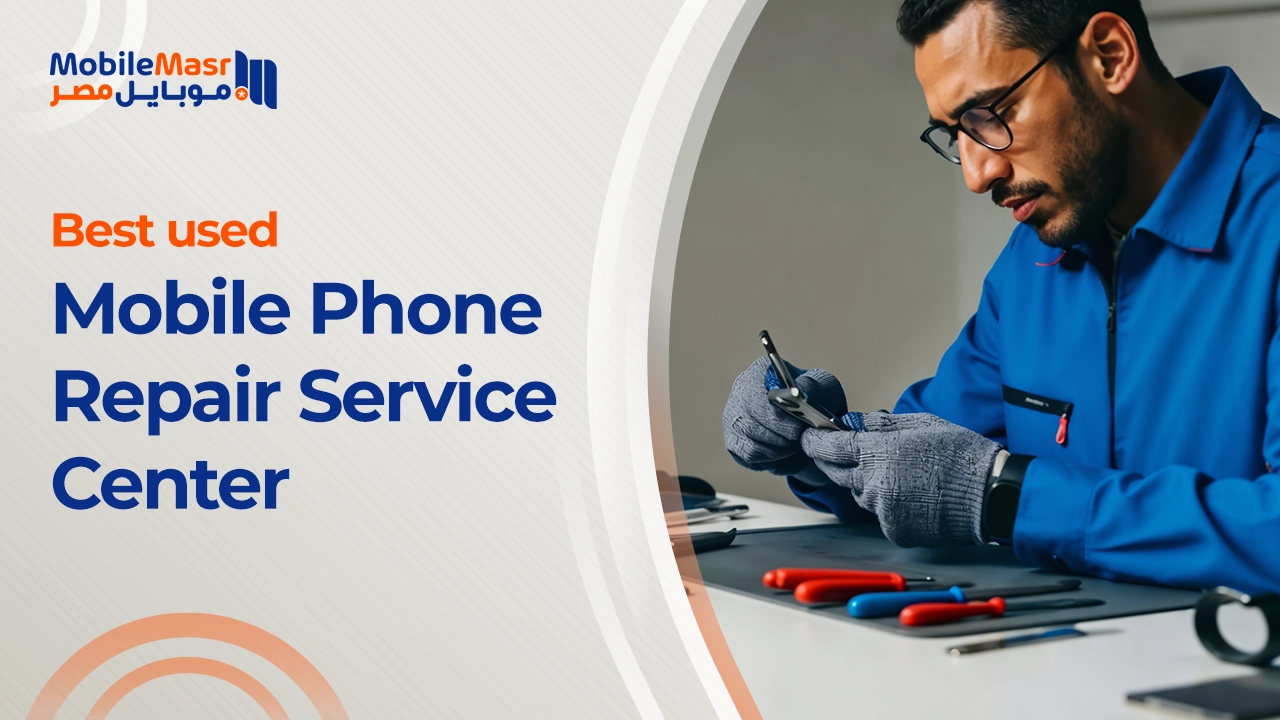
Best Used Mobile Phone Service Center in Egypt 2026 | Complete Guide
Best Used Mobile Phone Service Center in Egypt 2026 | Complete Guide
Why Do You Need a Trusted Used Mobile Service Provider?
Used mobile phones require specialized care and attention since they often come with hidden issues or accumulated wear from previous use. A reputable service center like Mobile Masr ensures your device gets proper diagnosis and authentic parts replacement. The best used mobile phone service center stand out by offering a comprehensive network of specialized repair facilities throughout Egypt, ensuring quick access to professional services regardless of your location. These centers employ certified technicians trained on the latest technologies in smart device maintenance, providing quality assurance that independent or unauthorized repair shops cannot match. When you choose a trusted service provider, you're not just paying for repairs – you're investing in peace of mind, warranty protection, and the assurance that your valuable used device receives treatment that maintains its original performance standards and extends its lifespan significantly.
How Does Professional Diagnosis Save Your Device?
Professional diagnosis is the foundation of quality repairs and device preservation. When you bring your used mobile phone to a reputable service center like Mobile Masr, technicians perform comprehensive diagnostic procedures to accurately identify the root cause of any issue before beginning repairs. This quick and precise diagnosis process saves both time and money by preventing unnecessary part replacements or experimental repairs that could cause additional damage. Professional centers use advanced diagnostic equipment that tests hardware components systematically, identifies failing parts accurately, and checks software functionality to ensure every problem is properly identified. This methodical approach means technicians know exactly what needs fixing, reducing repair duration and minimizing the risk of complications during service. Quick diagnosis also helps customers understand their device's condition and repair needs upfront, allowing them to make informed decisions about proceeding with repairs and understanding the associated costs before committing to the service.
What Are the Risks of Using Unverified Service Centers?
Unverified service centers pose significant risks to your used mobile device and your financial investment. These unauthorized providers may use counterfeit spare parts that don't meet quality standards, lack proper diagnostic tools and training, and provide no warranty on their work or the parts they install. When unverified centers use counterfeit components, your device often suffers premature failures, overheating issues, damage to other components, and potential voiding of any remaining manufacturer warranty. These centers frequently employ untrained technicians who may damage your device further through improper handling, incorrect part installation, or incompatible component usage. Additionally, unverified providers offer no insurance coverage, no warranty protection, and typically disappear if problems arise post-repair, leaving you with no recourse for addressing failures. Unlike established networks like Mobile Masr that maintain professional standards across all locations, unverified services prioritize quick profits over quality, potentially costing you far more in the long run when your device requires additional repairs or replacement.
What Services Should Your Chosen Mobile Service Center Offer?
Why Is Screen Replacement Service Critical for Used Phones?
Screen damage represents one of the most common issues affecting used mobile devices, and professional screen replacement is essential for restoring both functionality and device aesthetics. Mobile Masr specializes in replacing damaged screens with original parts, ensuring perfect color accuracy, brightness levels, and touch sensitivity that counterfeit alternatives cannot provide. A cracked or damaged screen doesn't just affect your device's appearance – it significantly impacts usability, battery life, and can expose internal components to further damage from dust, moisture, or accidental impacts. Professional screen replacement with original parts maintains your device's specifications and ensures the new screen integrates perfectly with your phone's hardware and software systems. The expertise of certified technicians in screen replacement ensures proper installation without damaging the device's frame, sensors, or other delicate components during the removal and installation process. When choosing a service center for screen replacement, the use of original parts is non-negotiable, as quality screens maintain consistent performance throughout their lifespan, while counterfeit screens often fade quickly, develop touch sensitivity issues, and fail prematurely, requiring costly replacement again.
How Are Original Screens Different from Counterfeit Ones?
Original screens and counterfeit alternatives differ dramatically in quality, performance, and longevity, making the distinction crucial for your used device's future functionality. Original screens maintain perfect color calibration, ensuring that reds, blues, greens, and other colors appear exactly as the device manufacturer intended, providing accurate visual representation for photos, videos, and content consumption. These authentic components deliver consistent brightness levels across the screen's entire surface, preventing the uneven lighting and dark spots that often appear in counterfeit screens. Original screens preserve responsive touch sensitivity, responding instantly to your finger inputs without lag, missed touches, or phantom touches that plague many counterfeit alternatives. Counterfeit screens often fade quickly under regular use, develop poor touch response within weeks or months, display washed-out colors that make viewing content unpleasant, and commonly experience dead pixels or dark spots that worsen over time. Additionally, original screens are engineered to work seamlessly with your device's hardware and software, while counterfeit screens may have compatibility issues, glitching, or performance degradation. The long-term cost of using counterfeit screens typically exceeds the cost of original replacements, as you'll need repairs sooner and your user experience will be continuously compromised.
Why Should You Trust Battery Replacement Services?
Battery degradation is among the first signs of a used phone aging, and professional battery replacement is essential for restoring your device's functionality and usability. Mobile Masr offers battery replacement services using original batteries that provide optimal performance and extended lifespan compared to counterfeit alternatives. A weak or failing battery severely impacts your device's practicality – your phone may shut down unexpectedly despite showing adequate charge, drain battery power rapidly even during light use, or refuse to charge properly even when connected to a charger for extended periods. Professional battery replacement restores your device's original performance characteristics, allowing you to use your phone throughout the day without constantly searching for charging opportunities. Original batteries used by reputable service centers provide the performance that manufacturers engineered into your device, delivering the advertised battery capacity, charge cycles, and longevity specifications. By replacing your battery with an original component, you're extending your used device's practical lifespan by years, making it functional and reliable for daily use. The battery replacement service also identifies any underlying charging system issues that may have contributed to battery degradation, ensuring that your replacement battery isn't damaged by the same problems that failed the original.
What Makes an Original Battery Worth the Investment?
Investing in an original battery replacement rather than a counterfeit alternative proves economically and practically superior in the long run. Original batteries provide optimal performance that matches your device manufacturer's specifications, delivering the exact capacity, voltage, and charge cycle stability that your phone requires for proper operation. These authentic batteries last significantly longer than counterfeits, often maintaining 80% capacity after several hundred charge cycles, while counterfeit batteries degrade rapidly and become unreliable within weeks or months. Original batteries prevent charging issues that counterfeit components frequently cause – problems like refusing to charge, charging painfully slowly, sudden charge drops, or overheating during charging are typical failures of counterfeit batteries. By choosing an original battery, you're preventing potential damage to your device's charging circuit board, which counterfeit batteries can harm through unstable power delivery and voltage fluctuations. The cost difference between original and counterfeit batteries is modest compared to the cost of replacing your entire device or repairing charging circuit damage, making the original battery replacement a sensible investment. Additionally, using an original battery ensures your device maintains its market value if you eventually sell it, as prospective buyers recognize that original components indicate proper device maintenance.
How Important Is Charging Problem Resolution?
Charging problems can effectively render your used mobile phone useless, making professional repair of charging issues absolutely essential for device functionality. When your phone refuses to charge, charges painfully slowly, stops charging partway through the process, or overheats excessively while charging, these issues severely impact your device's practicality and daily usability. Mobile Masr technicians specialize in diagnosing and resolving charging issues comprehensively, identifying whether the problem originates from the charging port itself, the battery, the charger, the charging cable, or the internal charging circuit. Port damage from repeated connector insertions, corrosion from moisture exposure, or debris buildup can prevent proper electrical connection between your charger and your device, requiring professional cleaning or port replacement. Battery degradation, as mentioned earlier, frequently causes charging problems as batteries lose their ability to accept and hold electrical charge. The charging circuit board that manages power delivery can develop faults, preventing your device from recognizing that a charger is connected or properly converting electrical power from your charger into battery charge. Professional diagnosis distinguishes between these different causes, ensuring technicians address the actual problem rather than replacing unnecessary components. Quick resolution of charging issues prevents further device damage, as phones with charging problems often work harder and generate excess heat that damages other components, compounding your device's issues.
What Are Common Charging Issues in Used Phones?
Used phones experience several common charging problems stemming from the accumulated wear and environmental exposure their previous owners subjected them to. Port damage represents the most frequent charging issue – the charging port's internal connections deteriorate from repeated insertions of charging cables, corrosion from moisture exposure, or debris accumulation that prevents proper electrical contact. Charging port damage may manifest as your phone only charging when the cable is inserted at specific awkward angles, intermittently losing charge during charging, or refusing to charge entirely despite the charger functioning properly with other devices. Corroded charging connections occur when moisture enters the charging port and oxidizes the internal metal contacts, creating a layer of corrosion that blocks electrical flow even when the charger is properly connected. Battery degradation stands as another primary cause of charging issues in used phones – as batteries age and accumulate charge cycles, they lose their ability to accept electrical charge, resulting in slow charging speeds, refusal to charge beyond a certain percentage, or sudden shutdown and refusal to charge again without a lengthy rest period. The charging circuit board that manages power conversion and distribution can develop faults from power surges, moisture damage, or manufacturing defects, preventing proper recognition of charging attempts or conversion of power from charger to battery. Professional technicians can diagnose which specific cause applies to your device and address it properly rather than replacing parts unnecessarily.
Why Do Sound and Speaker Repairs Matter?
Sound and speaker issues significantly diminish your used phone's functionality and user experience, making professional audio repair services essential for restoring full device usability. Mobile Masr provides comprehensive sound repair services addressing both speaker and microphone issues that compromise your ability to enjoy media, make phone calls, or participate in video communications. When your phone's speakers produce distorted, crackling, or muffled sound, media consumption becomes unpleasant – music lacks clarity, videos are difficult to hear, and game audio is compromised. Speaker problems may originate from physical damage like torn speaker membranes, water damage that corroded speaker components, dust accumulation that blocks sound passage, or failing speaker drivers that have lost their ability to vibrate properly. Microphone issues prevent others from hearing you during phone calls, video chats, or voice messaging – people report that your voice sounds faint, distorted, or nonexistent, making voice communication essentially impossible. These problems often result from moisture damage, dust blockage in the microphone opening, corroded microphone components, or failed microphone circuitry requiring component-level repair. Professional sound repair addresses these issues by replacing damaged components with original parts, ensuring your device delivers the audio quality that manufacturers engineered into your specific phone model.
How Can Sound Issues Affect Your Used Phone Experience?
Sound and audio problems dramatically impact every aspect of your used phone experience, transforming a functional device into one that severely limits your communication and entertainment options. When your device's speakers malfunction or produce degraded audio, listening to music becomes frustrating as you miss nuances in your favorite songs, podcasts lose intelligibility, and video content becomes nearly unwatchable due to poor audio quality. Phone calls become problematic when speaker issues prevent you from hearing callers clearly – you must strain to understand conversations, constantly ask people to repeat themselves, and may miss important information due to audio distortion. Microphone problems create an even more frustrating situation for the people calling you – they report that your voice sounds faint, distorted, or inaudible, making normal conversation impossible and forcing callers to abandon attempts to reach you by phone. Video calling applications like WhatsApp, Messenger, or video conferencing tools become essentially unusable when audio problems prevent clear communication, affecting your personal relationships and professional interactions. Game audio problems diminish gaming enjoyment, preventing you from hearing important game audio cues and reducing your ability to perform well in multiplayer games. Even simple activities like voice recording, voice searching, or using voice assistants become impossible with sound problems, severely restricting your device's functionality. Professional audio repair restores these essential capabilities, making your used phone practical and enjoyable again.
Can Professional Centers Really Recover Your Lost Data?
Data recovery represents a specialized service that requires advanced tools, technical expertise, and careful device handling that only professional service centers like Mobile Masr can provide. Reputable centers often successfully retrieve lost photos, videos, contacts, messages, documents, and other files from devices suffering physical damage, water damage, or software failures that make normal data access impossible. Professional data recovery operates on the principle that deleted or inaccessible data often remains on your device's storage until new data overwrites those sectors, allowing technicians to recover information even after formatting, factory resets, or accidental deletion. The data recovery process requires specialized equipment, forensic software tools, and the technical knowledge to extract data without causing further damage to your device's storage components. This specialized work often makes the difference between permanent data loss and successful recovery of precious photos, important documents, or irreplaceable memories stored on your used phone. However, data recovery success depends on the extent of damage – minor software issues or accidental deletion typically results in successful recovery, while severe water damage, physical crushing, or fire damage may make recovery impossible or require sending your device to specialized data recovery labs.
What Data Recovery Methods Do Professional Centers Use?
Professional service centers employ multiple data recovery approaches depending on the extent of your device's damage and the reason for your data loss. For software-related issues where your device won't boot, files are accidentally deleted, or the system experiences failures preventing normal access to files, technicians connect your device to specialized computer systems running forensic software that can read your phone's storage directly, bypassing normal operating system limitations. This approach allows recovery of deleted files that the operating system no longer tracks, files stored in protected areas, or data from phones that refuse to start. For hardware-level damage like a failing storage chip, water-damaged circuit boards, or mechanical component failure, data recovery becomes more complex and may require technicians to remove and repair storage components, sometimes requiring specialized microsoldering techniques to access data directly from memory chips. Professional centers maintain isolated, controlled environments where technicians work on damaged devices without risk of introducing contamination or causing additional damage through static electricity or improper handling. The recovered data is typically transferred to external storage that you provide or to cloud storage services, ensuring your data is preserved even if the original device cannot be repaired. Advanced data recovery from severely damaged devices may require sending your phone to specialized data recovery facilities with clean room environments and expert technicians, a service that professional centers can arrange.
How Do Experts Handle Water and Liquid Damage?
Water and liquid damage represents one of the most urgent device emergencies requiring immediate professional attention to prevent permanent damage from spreading. Mobile Masr technicians understand that water damage isn't solely about the initial water exposure – it's about preventing corrosion that progressively damages more components over time, ultimately rendering your device permanently nonfunctional. When liquid enters your used phone, it carries minerals and contaminants that oxidize metal components, creating corrosion that spreads like a slow-moving disease throughout your device's circuits. Expert technicians immediately disassemble damaged devices, carefully removing all liquid and thoroughly drying every component using specialized drying techniques and equipment. This disassembly process requires tremendous care to avoid damaging delicate components, and technicians must understand each phone model's specific construction to access internal components without breaking things. After removal and drying, professionals clean corroded components using specialized solutions that remove oxidation without damaging circuit boards or components. The rapid professional intervention that Mobile Masr provides can mean the difference between saving your device and permanently destroying it – every hour of delay allows corrosion to spread further, reducing the likelihood of successful recovery.
Why Is Time Critical in Water Damage Repairs?
Time represents the single most critical factor in water damage repair outcomes because corrosion damage accelerates dramatically as minutes and hours pass after liquid exposure. Immediately after water exposure, your device contains liquid that hasn't yet begun significant corrosion, offering a window of opportunity where professional cleaning and drying can prevent most damage. Within the first few hours, corrosion begins forming on metal components – a slow chemical process that gradually spreads across circuit boards, consuming connections, traces, and component pins. After several hours, extensive corrosion typically develops throughout the device, making recovery increasingly difficult as more components become damaged and corroded. After a full day of delay, corrosion has usually spread so extensively that permanent circuit board damage has occurred – key connections are broken, solder joints are compromised, and component failures become inevitable even after cleaning. Professional service centers like Mobile Masr understand this time-critical reality and prioritize rapid response to water-damaged devices. The longer you delay professional assistance, the more corrosion damage spreads, eventually reaching the point where your device cannot be repaired no matter the technician expertise or available tools. Additionally, turning on a water-damaged device accelerates corrosion by allowing electrical current to flow through corrosive paths, creating short circuits that cause additional component damage – so the critical first step is bringing your device to professionals immediately without attempting to power it on.
What About Camera Problems in Used Devices?
Camera problems are exceptionally common in used mobile devices because cameras represent particularly delicate components vulnerable to physical damage, moisture exposure, and manufacturing defects. Mobile Masr specializes in professional repair of both front and rear camera malfunctions affecting used phones of all brands and models. Camera issues manifest in various ways – blurry or out-of-focus images that never improve, completely nonfunctional cameras showing black screens or error messages, cameras that work intermittently, or cameras producing strange colors or distorted images. Physical damage from drops, impacts, or pressure can misalign lens elements or damage the camera sensor, while moisture exposure corrodes camera components and electrical connections. Dust or debris inside the camera housing degrades image quality and can cause autofocus failures. Professional camera repair identifies the specific cause of your camera problem and addresses it properly, whether through cleaning, component replacement, or complete camera module exchange with original parts.
How Do Technicians Fix Blurry or Non-Functional Cameras?
Professional technicians diagnose camera problems through systematic testing that identifies whether issues originate from the camera hardware itself, the camera sensor, software settings, or the connection between the camera and the phone's processor. When cameras produce consistently blurry images regardless of lighting conditions or focus distance, technicians often discover lens element misalignment from previous impact damage, requiring careful repositioning or lens replacement. Autofocus failures where images never achieve focus may result from a failed autofocus motor or sensor, typically requiring component replacement with original parts sourced from authorized distributors. Completely nonfunctional cameras showing error messages often indicate failed camera sensors, broken electrical connections to the camera, or failed camera chipsets requiring component-level repairs. Cameras with intermittent functionality often have loose connections inside the device where the camera module connects to the main circuit board – technicians reseat these connections or repair broken solder joints to restore functionality. Software issues rarely cause complete camera failure, but may cause settings problems or performance degradation that technicians troubleshoot separately. For cameras damaged by moisture, technicians disassemble the camera module, clean corroded components, and replace failed elements, sometimes requiring specialized microsoldering to repair connection damage. The key advantage of professional camera repair is access to original camera modules and expertise to install them properly without damaging your device's delicate internal structure.
Why Is CPU and Processor Repair Complex?
Processor and CPU repairs represent among the most technically complex repairs that service centers handle, requiring specialized knowledge, advanced diagnostic equipment, and often laboratory-grade tools that only certified technicians possess. Mobile Masr employs technicians trained in complex processor-level repairs because fixing these issues demands understanding of device architecture at the component level, not just the ability to replace plug-and-play parts. When your device's processor experiences problems, repair becomes challenging because the CPU is soldered directly to the circuit board rather than being a removable component – fixing it often requires microsoldering, a specialized technique where technicians work with components smaller than a grain of salt under magnification. Processor-related damage can originate from physical shock that cracked internal connections, heat damage from overheating that degraded solder joints, power surges that fried microscopic circuit pathways, or manufacturing defects that only appear after months of use. The complexity of processor repair means that only the most experienced and best-equipped service centers can successfully address these issues – many unauthorized shops and smaller service centers lack the capability to diagnose and fix processor problems, often incorrectly recommending device replacement when repair was possible.
What Warning Signs Indicate CPU Problems?
Several distinctive warning signs clearly indicate that your used device's processor is experiencing problems requiring professional diagnosis and repair. Random restarts or unexpected shutdowns represent a classic CPU failure symptom – your device suddenly powers off mid-use without warning, often restarting afterward only to fail again minutes later with seemingly no pattern or cause. These restart loops occur because the processor fails to maintain stable operation, causing the device to crash its entire system repeatedly. Extreme lag and system slowdown that only worsen over time suggest processor degradation or failed processor cache – tasks that normally complete instantly instead take many seconds, applications freeze for extended periods, and the entire system feels labored and sluggish. App crashes where applications unexpectedly close, jump to home screen, or produce error messages often indicate processor failures preventing reliable app execution. Device overheating where your phone becomes uncomfortably hot to touch, especially during light use, suggests processor problems causing the CPU to work harder than normal to maintain basic function. Performance issues that improve temporarily after restarting but quickly return indicate classic CPU failures – the restart allows hardware to cool slightly, restoring temporary stability before problems return. If you observe multiple these symptoms together, professional diagnostic services become essential, as these indicators strongly suggest processor-level problems requiring expert attention.
How Do Networks and Connectivity Get Repaired?
Network and connectivity problems prevent your used phone from accessing calls, messages, and internet, effectively making your device unable to function for its primary purpose. Mobile Masr provides comprehensive network repair services addressing all connectivity issues preventing your phone from establishing reliable connections to cellular networks, WiFi, and other connectivity systems. Network problems manifest in various ways – no signal bars despite being in areas with strong coverage, inability to make or receive calls despite phone registration with the network, extremely slow data speeds making web browsing and app usage painful, or WiFi connectivity failures preventing connection to available networks. These issues originate from various causes including damaged antenna components, corroded signal connection points, failed cellular or WiFi chipsets, SIM card reader failures, or software configuration problems affecting connectivity settings. Professional diagnosis quickly identifies whether your connectivity problems originate from hardware failures requiring component replacement or software issues amenable to configuration adjustment and troubleshooting.
What Causes Network and Connectivity Problems?
Multiple different causes can generate network and connectivity problems in used phones, each requiring different diagnostic approaches and repair solutions. SIM card reader failures prevent your device from recognizing your SIM card, eliminating cellular connectivity despite having a valid SIM card and service – this typically requires SIM reader replacement or solder joint repair. Antenna damage from physical impact, bending, or internal corrosion reduces signal reception, often causing weak signal in areas with adequate coverage or complete signal loss in weaker signal areas. Network chipsets that handle cellular or WiFi connectivity can fail due to power surges, heat damage, or manufacturing defects, requiring component-level repair or replacement. Software issues affecting connectivity might include incorrect network settings, failed network drivers, or configuration problems preventing proper connection to available networks – these typically require specialized software troubleshooting and reconfiguration. WiFi antenna damage or detached internal antenna connections prevent WiFi connectivity even when routers are nearby and available – this often requires reseating loose connections or replacing damaged antenna components. The variety of potential causes explains why professional diagnostic services are essential for network problems – attempting repairs without proper diagnosis often wastes time and money addressing the wrong issues.
Why Are Tablet Repairs Different from Phone Repairs?
Tablet repairs differ substantially from phone repairs because tablets incorporate different internal architecture, larger components, different cooling systems, and completely different assembly procedures requiring specialized knowledge and tools. Mobile Masr recognizes that tablets demand distinct repair approaches because their significantly larger screens, more substantial battery capacity, and different component arrangements create unique service challenges that phone repair experience doesn't fully prepare technicians for. Tablets' larger screens are more mechanically delicate despite being physically larger – the frame supporting such an expansive screen requires careful handling during screen replacement to avoid frame damage, and the longer lever arm created by larger screens means forces are distributed differently than in phone repairs. Battery replacement in tablets involves larger capacity batteries requiring different handling procedures and more complex disassembly work to access battery mounting points deeply embedded in the device structure. Tablets often include features like stylus support, expanded cooling systems, and different processor architectures that phone technicians might not fully understand, requiring additional training and experience for reliable repairs.
What Makes Tablet Repair More Challenging?
Tablet repair presents multiple technical challenges that distinguish it from phone maintenance and require specialized experience and tools. The large screens that tablets feature are more difficult to replace than phone screens – the larger surface area means greater force is required to separate adhesives, higher risk of frame damage during separation, and more complex procedures for reseating components after replacement. Tablet batteries occupy larger internal spaces and often feature mounting points at multiple locations rather than the simpler single-point mounting typical of phone batteries – removing and replacing these larger batteries requires understanding each tablet model's specific layout and disassembly procedure. The internal spacing in tablets is often less compressed than phones, meaning components are larger and more delicate, requiring careful handling to avoid accidental damage during service. Tablet screens often feature integrated digitizers or stylus-sensing layers that phones don't include, adding complexity to screen replacement procedures and requiring specialized tools to preserve these additional components. The weight and size of tablets make them more difficult to work on compared to phones – the leverage and pressure applications differ, requiring different technique and greater care to prevent dropping or mishandling the device during service. Additionally, tablet repair demand is lower than phone repair demand, meaning fewer technicians develop extensive tablet repair experience, making specialized tablet repair services more valuable and harder to find in some locations.
How Do Professional Centers Handle Smart Watch Repairs?
Smart watch repairs demand entirely different expertise and tools compared to phone and tablet repairs because smartwatches combine compact components, various sensors, wireless connectivity, and unique mechanical arrangements in their small cases. Mobile Masr provides specialized smart watch repair services because these devices require understanding of their particular challenges – the miniaturization of components means even tiny parts must be handled with extreme care, and the sealed case design makes opening watches without damage more challenging than opening phones. Smart watches often feature unique components like heart rate sensors, GPS modules, cellular connectivity components, or specialized wireless systems that phones don't include, requiring technicians specifically trained in smartwatch technology. The water resistance features that make smartwatches practical also make repairs more complex – technicians must restore water-resistant seals after opening watches, a skill distinct from phone repair procedures.
What Are Common Smart Watch Issues?
Several distinctive problems frequently affect smart watches, each requiring specialized diagnostic and repair approaches. Battery problems represent the most common smartwatch issue – poor battery life where devices discharge in a few hours, refusal to charge despite charger connection, or complete battery failure leaving devices nonfunctional. Screen cracks, though less common than phone screen damage due to watches' more protected position on wrists, still occur from impacts and require careful replacement without damaging the watch case or sensors surrounding the display. Sensor malfunctions where heart rate monitoring, step counting, or other health features stop working accurately result from sensor failures, improper sensor calibration, or damaged sensor connections requiring component-level repair. Wireless connectivity issues preventing Bluetooth pairing with phones, WiFi connections, or cellular connectivity require antenna repair or wireless chipset troubleshooting. Water-resistant seal failures where watches begin failing water resistance tests require professional seal replacement after opening the watch case. The unique challenges of smartwatch repair demand specialized training and experience that general phone technicians often lack, making specialized smartwatch service providers valuable resources for users with malfunctioning devices.
What Warranty and Insurance Coverage Should You Expect?
Why Is One Year Insurance Coverage Essential?
One year insurance coverage after repairs provides comprehensive protection that extends far beyond standard repair warranties, protecting your investment against unexpected failures and accidents beyond the service center's control. Mobile Masr provides one-year insurance policies with every repair, automatically protecting your device against manufacturing defects in newly installed components and repairable accidental damage that occurs after service completion. This insurance protection gives you complete peace of mind knowing that if problems arise within the year following your repair, the service center covers the cost of fixing issues – a protection that distinguishes professional service centers from unauthorized alternatives offering no post-repair protection whatsoever. The insurance coverage applies to both the quality of workmanship and the components installed, protecting you against premature component failure, installation problems, or manufacturing defects in spare parts. Having this insurance means if a replaced battery suddenly fails three months after installation, the screen you had repaired develops defects, or other installed components malfunction, you can return to the service center without additional cost. This protection is particularly valuable for used phones where unexpected issues can surface after repairs as the device continues aging – the insurance coverage ensures you're not left with failed repairs and expensive bills to fix problems caused by the service center's work.
What Does Insurance Coverage Actually Protect Against?
Smart watch insurance coverage provided by professional service centers protects against specific categories of failures and damage while excluding certain scenarios not covered by policies. Insurance covers manufacturing defects in newly installed components – if a replacement screen develops dead pixels, a battery fails prematurely, or other installed parts malfunction due to manufacturing quality issues, the service center replaces them at no cost under your insurance policy. Repairable accidents where your device is damaged by impacts, falls, or accidental damage that doesn't involve water are covered if repairs can restore functionality – the insurance protects you from paying for unexpected accident repairs. The coverage excludes water damage from normal use, recognizing that used phones already susceptible to moisture problems shouldn't be automatically protected for additional water exposure. Physical damage from intentional destruction or severe impacts that render devices unrepairable exceeds insurance scope – if your device is destroyed, insurance cannot reasonably cover replacement. The insurance also excludes damage from unauthorized repair attempts, modification, or use outside manufacturer specifications. Software problems and usage issues unrelated to the repair work generally aren't covered, as insurance protects against repair-related failures specifically.
How Do You File a Claim Under Service Center Insurance?
Filing insurance claims under your Mobile Masr repair policy involves straightforward procedures designed to help customers access their insurance protection quickly. Most service centers provide a physical policy document with your repair receipt containing detailed information about coverage terms, claim procedures, required documentation, and the timeline for claim approval. To file a claim, you typically contact the service center directly within the specified timeframe (usually within the one-year coverage period) and explain the issue you're experiencing. The service center requests documentation of the problem – which might mean bringing your device in for inspection to verify the issue falls within covered scenarios. Service center technicians inspect your device to confirm the failure relates to the repair work and falls within covered damage categories – they document their findings on claim forms. Once your claim is approved, the service center either repairs your device at no cost or provides replacement components depending on the specific issue and coverage terms. The entire process is designed to be customer-friendly, avoiding excessive red tape while protecting against fraudulent claims – most straightforward claims involving device failures clearly related to recent repairs are approved without significant delays.
What's the Difference Between Warranty and Insurance?
Warranty and insurance provide distinct but complementary protections that together create comprehensive coverage, but they work differently and protect against different scenarios. Warranty protections specifically cover the quality of workmanship performed by the service center – if a screen was incorrectly installed and starts lifting, if a battery replacement caused damage to the charging circuit, or if solder joints the technician created fail, the warranty covers these workmanship issues. Warranties typically cover a shorter timeframe than insurance – often 30-90 days – and specifically protect against problems caused by the repair work itself rather than subsequent failures. Insurance, by contrast, protects against manufacturing defects in components and accidental damage that occurs after repairs, regardless of whether the service center's work caused the subsequent problem. Insurance coverage extends longer than warranty coverage, often one full year compared to warranty periods measured in months. Together, warranty and insurance create comprehensive protection – warranty covers the service center's work quality for the immediate period following service, while insurance protects you against component failures and accidents that occur months after your repair. Understanding both protections helps you recognize that professional service centers provide multi-layered protection, while unauthorized shops provide neither warranty nor insurance, leaving you completely unprotected if problems arise.
Why Is Using Original Spare Parts Non-Negotiable?
How Do Original Parts Affect Your Device's Longevity?
Using original spare parts in device repairs is absolutely non-negotiable because only original components maintain your device's original performance standards and prevent the cascading damage that counterfeit parts cause. Mobile Masr insists on original parts exclusively because they recognize that genuine components engineered by device manufacturers are specifically designed to work flawlessly with your particular phone model's hardware and software. When you replace a component with an original part, you're restoring your device to the manufacturer's specifications, ensuring compatibility, performance, and reliability that aftermarket or counterfeit alternatives simply cannot match. Original parts prevent compatibility issues where counterfeit components don't integrate properly with your device's systems, causing glitches, crashes, or degraded functionality. Devices repaired with original parts maintain their original performance characteristics, processing speed, battery life, camera quality, and other capabilities that you valued when the device was new. The longevity advantage of original parts is substantial – original batteries maintain their capacity longer, original screens retain color accuracy and touch sensitivity, original cameras continue delivering quality images – while counterfeit components often fail within weeks or months, requiring expensive replacement again.
What Problems Do Counterfeit Parts Cause?
Counterfeit spare parts create a cascade of problems that extend far beyond simple component failure, often causing more extensive damage than the original failure you attempted to fix. Counterfeit parts frequently overheat during operation because they lack the thermal management characteristics of original components – excessive heat spreads from the failing counterfeit part to neighboring components, damaging them and creating multiple failures where you originally had one problem. Counterfeit batteries that overheat during charging can damage the charging circuit board, requiring expensive repair of components that would have remained fine with an original battery. These parts fail prematurely because they don't meet the quality standards or durability specifications that original components achieve – a counterfeit battery might work for several months before completely failing, forcing you to pay for another replacement. Counterfeit parts often damage other components through incompatibility issues – screens with improper electrical specifications damage display circuitry, chargers with unstable power output fry charging management chips, and processors from different model phones cause software conflicts. Using counterfeit parts may also void any remaining warranty from the device manufacturer, eliminating manufacturer support and leaving you entirely dependent on the repair shop for all future issues. The long-term cost of counterfeit parts far exceeds the short-term savings from their lower price when you account for frequent replacements, additional component damage, and the cascading failures that counterfeit parts frequently trigger.
Why Should You Verify Parts Authenticity?
Verifying parts authenticity before accepting repairs is essential for protecting your investment and ensuring your used device receives genuine components rather than counterfeits substituted by dishonest or negligent repair shops. Reputable service centers like Mobile Masr maintain sourcing relationships with authorized distributors guaranteeing part authenticity, and they openly provide authentication documentation proving the parts they install are genuine. Authentic parts come with verification codes and proper packaging showing manufacturer branding, part numbers, holographic security stickers, or other authentication features that counterfeit manufacturers cannot easily replicate. When choosing a service center, request specific information about parts sourcing – ask whether they use authorized distributors, whether they provide parts authentication, and whether they guarantee parts authenticity in writing. Technicians at professional centers can show you the genuine packaging, explain the authentication features present on original parts, and provide documentation proving parts legitimacy. In contrast, unauthorized shops often cannot easily explain their parts sourcing, lack physical packaging or authentication features, or become defensive when questioned about parts authenticity – these are clear red flags indicating counterfeit components. Taking time to verify parts authenticity before repairs begin protects you from unknowingly accepting counterfeit components that could fail within months and cause additional device damage, while also supporting legitimate repair businesses that maintain quality standards.
How Can You Identify Authentic Spare Parts?
Identifying authentic spare parts requires understanding the security features and packaging that legitimate manufacturers include to prove component genuineness and prevent counterfeiting. Original parts have proper manufacturer branding clearly displayed on packaging and components – legitimate branding is precisely printed, uses correct logos, and matches official company designs exactly. Serial numbers are unique to authentic parts – each original battery, screen, or component includes a serial number that you can cross-reference with the manufacturer's database to verify legitimacy. Holographic stickers or security labels on original parts use advanced security printing technology that counterfeiters struggle to replicate accurately – these stickers change appearance when viewed from different angles, contain detailed security features, and are extremely difficult to counterfeit convincingly. Official packaging from manufacturers includes precise printing quality, correct grammar and language, properly aligned graphics, and security features like serial numbers that match the component inside. Counterfeit parts often feature packaging with printing errors, incorrect logos, misaligned graphics, or packaging that looks hastily produced compared to the precision of genuine manufacturer packaging. The component itself should feel properly manufactured – authentic components have clean manufacturing, precise tolerances, and professional finishing, while counterfeits often have rough edges, visible defects, or crude manufacturing quality. When choosing a repair center, ask to see the parts they'll install, examine the packaging and security features, request serial numbers for verification, and compare everything against images of genuine parts on manufacturer websites to confirm authenticity before repairs begin.
What Payment and Installment Options Should Be Available?
Why Does Flexible Payment Matter for Repair Services?
Flexible payment options matter significantly for repair services because repair costs can be substantial for used phones – often ranging from a few hundred to several thousand Egyptian pounds – and upfront payment requirements prevent many customers from accessing needed repairs. Mobile Masr recognizes that forcing customers to choose between paying large sums immediately or delaying necessary repairs unfairly burdens people with limited savings or tight monthly budgets, so they offer multiple payment and installment options making repairs affordable. When service centers refuse flexible payment options, they effectively exclude lower-income customers from professional repair services, forcing them toward unauthorized providers offering no warranty or quality guarantees. By offering installment plans where customers spread repair costs across multiple monthly payments, professional centers make essential repairs accessible to everyone regardless of immediate savings availability. Installment options particularly matter for used phone owners who are already making economical choices buying pre-owned devices – these customers appreciate professional repair services but need payment flexibility that recognizes their budget constraints. The availability of installment plans demonstrates that a service center values customer accessibility and understands the practical financial realities their customers face, distinguishing professional centers focused on customer service from shops primarily interested in maximizing profits.
What Are Popular Installment Plans in Egypt?
Multiple legitimate installment providers operate throughout Egypt, offering financing options that Mobile Masr and other professional service centers partner with to make repairs affordable. Valu provides zero-down installment plans allowing customers to split repair costs across multiple months without requiring initial down payment – their flexible terms accommodate various budget situations. Aman offers similar installment services with easy approval processes and competitive terms designed to make purchases manageable. Souhoola specializes in accessible financing for lower-income customers, providing installment plans with favorable terms for essential services like device repairs. Contact provides installment options throughout Egypt with reasonable interest rates and straightforward application processes. Forsa focuses on making financing accessible with simplified processes and flexible repayment terms. Halan offers digital financing solutions with quick approval and transparent terms for repairs and device services. Mogo provides installment financing specifically designed for consumer electronics and repairs, with easy application and fast approval. These installment providers work directly with service centers like Mobile Masr, allowing customers to apply for financing at the repair center itself – customers typically receive instant or next-day approval allowing them to proceed with repairs immediately without delay.
How Do Zero-Down Installment Plans Work?
Zero-down installment plans eliminate the barrier of requiring upfront payment, allowing customers to begin repairs immediately by splitting total costs into equal monthly payments. When you select a zero-down installment plan, you don't pay any initial deposit or down payment – instead, the entire repair cost is financed, and you make monthly payments over an agreed period, typically 3-24 months depending on the total amount financed. The installment provider (Valu, Aman, Souhoola, or another partner) conducts a quick verification process confirming your identity, income, and credit history – most approvals complete within minutes to hours. Once approved, the service center immediately performs your repair while the installment provider finances the full cost – you leave with your repaired device and a monthly payment schedule. Monthly payments are generally fixed amounts making budgeting straightforward – you know exactly how much you'll pay each month for the duration of the plan. The installment provider handles payment processing, either through automatic bank transfers, mobile money, or debit card deductions depending on your preferred payment method. Zero-down plans make comprehensive repairs immediately accessible regardless of whether you have substantial savings available – you can repair a critical component immediately rather than delaying necessary repairs while saving the full payment amount.
Why Should Service Centers Offer Multiple Payment Methods?
Professional service centers must offer multiple payment methods and financing options to accommodate different customer preferences and financial situations, recognizing that customers have diverse banking relationships and payment capabilities. Some customers have access to credit cards and prefer credit card payments, others have debit cards but no credit facilities, some trust mobile money platforms more than traditional banks, and others strongly prefer installment financing. By supporting credit cards, debit cards, bank transfers, mobile money, and multiple installment plans, service centers ensure that every customer can pay using their preferred method without friction. Customers with limited cash on hand may prefer installment plans spreading costs over months, while customers with available funds might prefer immediate payment. Multiple payment options also demonstrate that a service center is modern, professional, and customer-focused rather than stubbornly insisting on single payment methods that might not work for everyone. Additionally, offering multiple methods protects customers by providing security options – if you're uncomfortable carrying large cash amounts, you can use card payments; if you're concerned about credit cards, you can use bank transfers or installment plans. Service centers that restrict payment options create barriers that inconvenience customers and occasionally drive them toward unauthorized alternatives that might accept cash without question – professional centers avoid this by accommodating diverse payment preferences.
What Payment Methods Should Be Accepted?
Professional service centers should accept diverse payment methods ensuring that every customer finds a convenient way to pay for repairs. Credit cards provide secure payment with fraud protection and reward points, making them preferred by many customers – reputable centers accept all major credit card brands including Visa and Mastercard. Debit cards offer similar security to credit cards without the credit component, appealing to customers who prefer not using credit – professional centers accept all debit cards the same way they accept credit cards. Bank transfers provide direct payment from customer accounts to service center accounts, preferred by customers comfortable with banking systems and wanting transaction records – reputable centers provide bank account details and transfer instructions. Mobile money platforms like Vodafone Cash, Etisalat, and others provide convenient payment for customers without traditional bank accounts – many service centers now accept these platforms given their growing popularity. Multiple installment plans through Valu, Aman, Souhoola, Contact, Forsa, Halan, and Mogo allow customers to split payments – professional centers partner with several providers ensuring diverse financing options. Cash payments remain important for customers preferring anonymous transactions or those without bank access, though large cash transactions carry security risks for both customers and service centers. Accepting this diverse range of payment methods demonstrates professional standards and customer service orientation that distinguishes legitimate centers from unauthorized alternatives.
What Qualifications Should Service Center Technicians Have?
Why Are Certified Technicians Essential for Quality Repairs?
Certified technicians represent the foundation of quality service centers because their formal training, professional certifications, and hands-on experience with complex device repairs ensure that your device receives treatment from people who genuinely understand what they're doing. Mobile Masr employs only certified technicians because device repair involves electrical systems, miniaturized components, and technical procedures where mistakes cause permanent damage – having proper training and credentials is non-negotiable. Certified technicians have completed formal education programs covering device electronics, component-level repair, safety procedures, and diagnostic methodologies that unauthorized technicians simply haven't had. Professional certifications prove that technicians have demonstrated their knowledge by passing comprehensive exams, maintaining continuing education, and adhering to professional standards – certifications from recognized organizations carry weight and assurance. Certified technicians stay current with new device models, evolving repair techniques, and latest tools because maintaining certifications requires ongoing learning. When technicians have proper qualifications, they understand the principles behind repairs rather than simply memorizing procedures – this allows them to troubleshoot unexpected problems and adapt their approach when standard procedures don't apply. The difference between certified technicians and untrained individuals is profound – certified technicians understand how devices work, why problems occur, and how to fix them properly, while untrained people might successfully complete repairs by following guides but often cannot troubleshoot problems or understand what they're doing.
What Certifications Should Technicians Possess?
Quality service centers maintain technicians with multiple relevant certifications proving their competence and commitment to professional standards. Manufacturer certifications from Apple, Samsung, and other device makers demonstrate that technicians have completed official training programs and proven their knowledge of specific device brands – these certifications are highly valued because they represent the device manufacturers' confidence in technician competence. Specialized training certifications in areas like microsoldering, data recovery, or component-level repair prove that technicians have advanced expertise beyond basic device service. Industry certifications from recognized organizations validate that technicians meet professional standards and maintain ethical practices in their work. Experience certifications documenting years of professional service experience prove that technicians haven't just completed training but actually apply their knowledge regularly fixing diverse devices. Mobile device electronics certifications prove understanding of circuit design, component function, and electrical principles essential for complex repairs. Ongoing education credentials showing participation in training programs, workshops, and professional development demonstrate commitment to staying current with evolving technology and repair techniques. Professional service centers readily share their technicians' certifications with customers, allowing you to verify credentials before entrusting your device to specific individuals – this transparency builds confidence that your device receives treatment from truly qualified professionals.
How Does Technician Experience Affect Repair Quality?
Technician experience profoundly affects repair quality because extensive hands-on experience with numerous devices develops intuition, problem-solving skills, and technical expertise that training alone cannot provide. Experienced technicians diagnose issues accurately because they've seen similar problems hundreds or thousands of times – they recognize patterns, immediately understand what causes specific symptoms, and know which solutions work effectively. Experienced technicians work efficiently, completing repairs quickly without wasting time on unnecessary procedures or incorrect approaches – they've refined their technique through countless repetitions until procedures become second nature. Most importantly, experienced technicians handle devices with proper care and respect because they understand how delicate internal components are – they've broken things through careless handling and learned from those mistakes. Experienced technicians can troubleshoot unexpected problems because they understand device architecture at deep levels, not just following repair guides mechanically – when standard procedures don't work, they can think creatively and adapt their approach. When problems arise during repairs, experienced technicians recognize issues immediately and correct them, preventing the compounding damage that inexperienced technicians might cause by continuing with problematic procedures. The quality difference between repairing your device with a technician who has 500 successful repairs versus one with 50 repairs is substantial – experience matters tremendously in producing quality results.
What Experience Levels Should Technicians Have?
Professional service centers should maintain technicians with substantial experience demonstrating proven competence rather than hiring recently trained individuals still developing skills. Minimum experience standards should require that technicians have completed at least 3-5 years of consistent mobile phone repair work in professional environments, handling hundreds or thousands of devices across various brands and models. This experience level ensures that technicians have encountered diverse problems, developed troubleshooting skills, and refined their techniques through extensive practice. Senior technicians with 10+ years of experience should represent a portion of the service center's team, particularly for complex repairs like microsoldering, water damage recovery, or data recovery requiring the highest expertise. Specialization experience matters – technicians specializing in specific brands like iPhone repair or specific services like data recovery should have concentrated experience in their specialization. The service center should document technician experience and allow customers to request specific technicians for critical repairs – this transparency helps customers understand who will be working on their devices. Avoid service centers with predominantly junior technicians or where repair quality varies dramatically depending on which technician works on your device – consistent quality indicates mature technician teams with established procedures and appropriate supervision. Asking about technician experience is perfectly appropriate and professional – legitimate service centers proudly share their technicians' experience and credentials.
How Should Service Centers Diagnose Problems?
Why Is Quick Diagnosis Important for Customers?
Quick diagnosis is essential for customers because device downtime significantly impacts daily life – if your phone is non-functional, you cannot make calls, send messages, access important information, or stay connected with others. Service centers providing rapid diagnosis allow you to understand your device's problems and repair costs quickly, minimizing the period without your essential device. Quick diagnosis also shows respect for your time – you don't want to bring your device to a service center and wait hours or days just to learn what's wrong. Professional diagnosis identifies issues accurately within minutes or hours, allowing technicians to provide immediate quotations so you can decide whether to proceed with repairs or explore alternatives. When diagnosis is fast, you can often begin repairs on the same day or within 24 hours rather than waiting extended periods – this rapid turnaround minimizes the impact of device failure on your life. Quick diagnosis also helps prevent customers from seeking unauthorized alternatives while waiting for professional diagnosis – people without their phones feel pressure to seek any solution quickly, potentially leading them to unqualified repair shops if professional centers seem slow. Additionally, prompt diagnosis allows service centers to schedule repair work efficiently, often completing repairs within the same visit or within a few days rather than leaving devices in the shop for weeks.
What Diagnostic Tools Do Professional Centers Use?
Professional service centers employ sophisticated diagnostic equipment that tests device components systematically and identifies failing components with precision that human observation cannot match. Advanced diagnostic software runs comprehensive tests on phones and tablets, checking processor functionality, memory performance, sensor operation, camera systems, battery health, and storage integrity – this systematic testing quickly reveals which components are failing. Specialized hardware test equipment creates controlled electrical conditions, tests component responses, and identifies electrical failures or functional problems in specific circuits. Thermal imaging equipment reveals overheating components or areas where heat is concentrated abnormally, indicating component failures or improper assembly. Power supply test equipment verifies that batteries deliver proper voltage and current, determines battery health percentages, and identifies charging circuit problems preventing proper power delivery. Component-level testing equipment isolates specific failures by testing individual components, allowing technicians to know exactly which parts require replacement rather than guessing. Data recovery software can read device storage directly, recovering data even from devices that don't start or function normally. Network testing equipment diagnoses connectivity problems by testing signal strength, SIM card recognition, WiFi capabilities, and network configuration. The combination of these sophisticated tools allows professional centers to diagnose problems with certainty, preventing unnecessary component replacement and ensuring repairs address actual problems.
How Long Should Quality Diagnosis Take?
Quality diagnosis should typically complete within 15-30 minutes depending on issue complexity, representing a reasonable timeframe that allows thorough testing while respecting customer time. Simple issues like battery problems or screen damage might be diagnosed in under 15 minutes because the problems are visually obvious and quick functionality testing confirms the assessment. More complex issues like network problems, processor failures, or water damage might require 30+ minutes of systematic testing to isolate the actual cause. However, extensive diagnosis should not require multiple hours or days – if a service center cannot diagnose your device's problems within 30-60 minutes, they likely lack proper diagnostic equipment or technician expertise. Customers should expect that diagnosis completes quickly enough that they can decide about repairs the same day they visit, allowing them to make informed decisions without unnecessary delays. Some complex problems might require longer diagnosis in cases of severe water damage, extensive component failures, or data recovery situations where evaluation is genuinely complicated – but these should be exceptions, not the standard expectation. The service center should clearly communicate estimated diagnosis duration when you arrive, setting proper expectations so you understand whether 20 minutes or 45 minutes is normal for your specific problem.
Should Diagnostic Services Be Free?
Diagnostic services at professional centers should absolutely be free – reputable service centers provide free diagnosis and quotations as standard practice, charging only for actual repair work performed. This practice reflects professional service standards and customer service orientation, recognizing that customers shouldn't pay simply to learn what's wrong with their devices. Free diagnosis is financially smart for service centers because it builds customer trust – people feel confident returning to centers that diagnose problems free, knowing they'll only pay for actual repairs they authorize. By offering free diagnosis, professional centers attract customers who might otherwise fear hidden charges or being pressured into unnecessary repairs – transparency builds loyalty and customer satisfaction. When diagnosis is free, customers can visit multiple service centers for second opinions about repair needs and pricing without incurring diagnostic fees at each location. In contrast, unauthorized shops that charge for diagnosis are often doing so to prevent comparison shopping – they profit from diagnostic fees and may pressure customers to accept repairs they don't actually need. Reputable centers like Mobile Masr understand that free diagnosis is an investment in customer relationships that generates repeat business and referrals, more than compensating for free diagnostic time. If a service center charges diagnostic fees, consider this a red flag suggesting either financial desperation or unethical practices designed to extract additional revenue from customers.
What Location and Accessibility Factors Matter?
Why Should Your Service Center Be Easily Accessible?
Location and accessibility matter significantly for service centers because inconvenient locations create friction that discourages customers from accessing repairs, potentially driving them toward unauthorized alternatives offering inconvenient service rather than nothing. Service centers located conveniently near your home, workplace, or shopping areas reduce travel time and hassle – you're far more likely to schedule repairs promptly if the service center is accessible rather than requiring lengthy journeys. Easy public transportation access matters for customers without personal vehicles – location near bus stops, train stations, or transportation hubs ensures people can reach the service center using available transportation. Adequate parking near the service center benefits customers with vehicles, preventing frustration from searching for parking spaces. Service centers located near other amenities like shopping areas, markets, or dining establishments allow you to complete other tasks while waiting for repairs rather than wasting time waiting in the service center. When service centers prioritize accessibility, they signal that they value customer convenience and time – contrast this with inconveniently located centers suggesting they don't particularly care whether customers visit. Location accessibility directly correlates with customer satisfaction – people accessing convenient centers often complete repairs quickly with positive experiences, while people traveling long distances for repairs often become frustrated regardless of repair quality. Professional service networks maintain multiple locations throughout Egypt specifically to ensure convenient access for more customers in more areas.
What Are Ideal Service Center Location Features?
Ideal service center locations combine multiple features ensuring customer convenience and accessibility. Proximity to residential areas matters because most customers live in these areas – having service centers within neighborhoods rather than requiring travel to commercial districts benefits the majority of customers. Proximity to business districts serves working professionals who prefer handling repairs during work hours or lunch breaks – strategic location near offices ensures accessibility for this customer group. Parking facilities should be adequate for customer vehicles – ideally dedicated parking rather than street parking where vehicles might be ticketed or towed while inside service centers. Public transportation proximity, particularly near major bus routes or train stations, ensures accessibility for customers without personal vehicles – this is critical for service centers serving lower-income customers. Nearby amenities like cafes, small shops, or other services allow customers to productively use time while waiting for repairs rather than sitting idly. Climate-controlled indoor waiting areas with comfortable seating, WiFi access, and clean facilities make service center visits more pleasant. Clear signage and easy navigation to the service center entrance ensure that first-time visitors can locate the facility without difficulty. Visibility from main roads helps customers find the location without asking for directions repeatedly. Professional networks like Mobile Masr specifically select locations based on accessibility analysis, ensuring their service centers serve customers in diverse neighborhoods and commercial areas throughout Egypt.
How Do Operating Hours Affect Your Repair Experience?
Operating hours significantly affect repair accessibility because service centers with limited hours (like typical business hours 9-5) are inaccessible to working professionals who cannot leave their jobs for repairs. Extended operating hours, particularly afternoon and evening availability, accommodate working customers who prefer handling repairs outside their work hours. Mobile Masr maintains operating hours from noon to 7 PM specifically to serve customers after their school or work obligations end – this extended schedule dramatically improves accessibility for the majority of working customers. Weekend availability matters for customers who cannot access service centers during weekday evenings due to late work schedules or family obligations. Service centers open on Saturday enable customers to schedule repairs on their day off without using vacation time. When service centers restrict availability to narrow business hours, they effectively exclude working people from convenient access, forcing them to choose between taking time off work or delaying repairs. Operating hours extending into evening hours show that service centers prioritize customer accessibility and recognize that evening is often when customers have time available. Some emergency or urgent situations demand same-day repair availability – extended hours increase the likelihood that urgent repairs can be completed quickly rather than requiring multi-day waits.
What Are Standard Operating Hours for Quality Service Centers?
Quality service centers operating in Egypt typically maintain hours from noon to 7 PM daily as standard practice, recognizing that this schedule optimally serves both working professionals and other customers. Starting service at noon rather than earlier business hours reflects customer patterns – morning hours see lower service center traffic because most customers are at work or school, while afternoon and evening hours see substantial traffic from customers available after their daytime obligations. Operating through 7 PM ensures evening availability for customers finishing work late, traveling from distant locations, or handling repairs before evening commitments. Maintaining consistent hours daily except major holidays (many centers close Fridays for religious observance) ensures customers can rely on accessible service without worrying about unexpected closures. Some service centers extend hours during peak seasons or special circumstances, further improving customer accessibility. Hours of operation should be clearly posted at the service center location and on the organization's website so customers can plan visits effectively without traveling for nothing. Comparing operating hours across service center options helps you identify which centers can accommodate your schedule – if you're only available in the evening, you need centers with evening hours. Professional service centers pride themselves on accessibility, making operating hour information prominent and sometimes adjusting hours based on customer demand in specific locations.
Why Should You Choose Established Service Center Networks?
What Advantages Do Large Service Networks Provide?
Large service center networks like Mobile Masr provide numerous advantages that independent service shops cannot match, from consistent service quality across locations to superior technician training and equipment investment. Large networks leverage scale advantages – they purchase spare parts, equipment, and tools in bulk, reducing costs and ensuring consistent parts availability across all locations. Networks maintain standardized procedures across all locations, ensuring that regardless of which branch you visit, you receive consistent service quality and professional standards. Multiple locations throughout Egypt mean customers have convenient access regardless of their location – rather than having to travel to a single service center, customers can visit nearby branches. Established networks reinvest profits in continuous training, equipment upgrades, and facility improvements – they don't extract maximum short-term profits but rather invest in building better services. Networks maintain higher quality standards because their reputation is national – a single poor customer experience in a branch damages the entire network's reputation, creating strong incentives for consistent quality across all locations. Large networks attract the best technicians because they offer career development, training opportunities, and professional advancement that independent shops cannot provide. The brand reputation of established networks provides customer confidence – people trust large professional networks more readily than unknown independent shops.
How Do Service Networks Maintain Quality Consistency?
Service networks maintain quality consistency through systematic procedures and management practices that independent shops lack the resources or discipline to implement. Standardized repair procedures documented across the network ensure that all technicians follow proven processes, preventing variability caused by individual technician preferences or incomplete knowledge. Regular quality audits where supervisors inspect completed repairs, test device functionality, and verify that repair work meets standards catch quality issues before customers discover them. Technician training programs conducted regularly ensure all technicians maintain current knowledge – rather than individual technicians at different locations having different skill levels, network training equalizes expertise. Performance metrics tracking individual technician and location performance identify quality problems quickly – locations falling below standards receive focused improvement support. Customer feedback systems where complaints and compliments are tracked and analyzed drive continuous improvement – legitimate network complaints drive process changes preventing similar issues. Centralized parts sourcing from authorized distributors ensures all locations use identical original parts with identical quality – this prevents some branches having counterfeit parts while others use genuine components. Management oversight and communication across network locations share best practices – successful techniques developed at one location are implemented at others. These systematic approaches to quality maintenance distinguish professional networks from independent shops operating without such formal quality systems.
Why Is Network Size Related to Reliability?
Network size correlates directly with reliability because larger networks have the financial resources, management structure, and market incentives that smaller operations lack for maintaining high standards. Large networks invest in state-of-the-art diagnostic equipment and repair tools that independent shops cannot afford – better equipment enables more accurate diagnosis and higher quality repairs. Networks employ specialized technicians for different repair categories – datarecovery specialists, microsoldering experts, water damage specialists – rather than expecting all technicians to be generalists. Larger networks can afford to maintain spare parts inventory ensuring components are always available – independent shops often wait weeks for parts, delaying customer repairs substantially. Professional management structures at large networks ensure proper oversight and accountability – individual locations cannot unilaterally decide to use counterfeit parts or cut corners on quality. Networks can sustain the business during difficult periods without compromising quality – independent shops facing financial pressure often resort to cost-cutting that reduces service quality. Established networks have built customer bases and reputations creating financial stability – they're not desperate for every potential sale, allowing them to turn away jobs they cannot handle properly. The broader financial resources of large networks enable continuous improvement, facility upgrades, and service expansion that independent shops cannot sustain.
What Services Are Available Across Network Branches?
Professional networks maintain consistent service offerings across all branch locations, ensuring that regardless of which location you visit, you can access the complete range of services the network provides. Screen replacement, battery replacement, charging repairs, sound repairs, and other common services are available at all branches – you don't have to travel to a specific branch for specific services. Data recovery services are available at network branches, though extremely complex cases may require transfer to specialized facilities – but the network handles coordination and customer communication seamlessly. Water damage recovery is consistently available across locations – technicians at all branches understand proper procedures for water damage assessment and repair. Complex processor-level repairs are handled at qualified branches – the network routes complex cases to locations with specialized technicians and equipment rather than attempting repairs beyond their capabilities. Warranty and insurance services are honored across all locations – repairs completed at one branch are covered by warranty regardless of which branch you visit for repairs. Customer service and communication standards are consistent – customers can expect professional communication, transparent pricing, and ethical practices at all locations. This consistency allows customers to build trust in the network brand rather than needing to evaluate each location individually – you know what to expect from any location.
What Should You Know About Repair Turnaround Time?
How Long Should Simple Repairs Take?
Simple repairs like screen replacement or battery change should typically be completed within 2-4 hours from when you deliver the device to the service center. Screen replacement works relatively quickly – technicians remove the broken screen, install an original replacement, test the new screen's functionality, and return your device. This straightforward process normally requires 1-2 hours of actual work time, with waiting time sometimes extending the total visit duration to 2-4 hours. Battery replacement is similarly quick – technicians remove your device's back panel (on removable battery designs) or disassemble the device (on models with non-removable batteries), swap the failed battery with an original replacement, test that the new battery charges and maintains charge properly, and reassemble your device. This process typically requires 1-2 hours of actual work, though waiting time might extend total duration. Simple repairs are fast because the required components are easily accessible, the procedures are straightforward, and technicians can complete work without waiting for parts or conducting complex diagnostics. However, simple repair timing depends on service center workload – during busy periods, you might wait several hours before technicians begin your repair, extending total turnaround from the time you arrive until your device is ready.
Why Do Turnaround Times Vary Between Service Centers?
Repair turnaround times vary substantially between service centers due to factors beyond repair complexity alone. Technician availability represents a critical factor – if multiple technicians are available and not occupied with other repairs, simple repairs complete quickly; if all technicians are busy, you wait until someone becomes available. Spare parts inventory availability dramatically affects turnaround – service centers maintaining adequate inventory in stock begin repairs immediately, while centers lacking parts must order components, potentially delaying repairs by days. Service center workload and appointment scheduling significantly impact waiting time – popular centers with heavy customer loads have longer waits than less busy competitors. Repair procedures and efficiency vary – experienced technicians working quickly can complete repairs in less time than less experienced technicians moving slowly. Equipment availability matters – service centers with proper tools and equipment complete repairs more efficiently than centers lacking necessary equipment. Quality standards impact timing – centers insisting on thorough testing before returning devices need more time than centers returning devices immediately after basic assembly.
How Much Time Do Complex Repairs Require?
Complex repairs involving processor issues, extensive water damage, or data recovery often require 2-7 days depending on damage severity and repair complexity. Water damage recovery is inherently time-consuming because technicians must disassemble devices carefully, identify corrosion extent, determine which components can be cleaned versus need replacement, order specific replacement parts if needed, reassemble carefully, and conduct extensive testing to verify repairs. This process routinely requires 3-5 days of actual work time. Processor-level repairs like microsoldering require extreme precision and skill – technicians must work carefully under microscopes, minimizing risk of additional damage, which naturally extends repair duration. Data recovery from severely damaged devices may require sending phones to specialized facilities with clean room environments, extending turnaround to 2-3 weeks. Complex problems requiring component ordering where specific parts aren't in stock naturally extend turnaround times – technicians cannot complete repairs without necessary components. Some complex repairs require parts to arrive, multiple repair attempts if initial approaches fail, or coordination with manufacturers for specific technical information – all of these extend timelines.
What Factors Extend Repair Duration?
Multiple factors beyond basic repair complexity can extend repair duration substantially. Unavailable spare parts requiring ordering can delay repairs by days or weeks – if your phone needs a specific component that service centers don't have in stock and must special order from distributors, repair completion is blocked until parts arrive. Complex diagnostics taking longer than expected to identify actual problems extend timelines – if a device's issues involve multiple components or unusual failure modes, diagnosis itself might require extended investigation. Water damage requiring extensive component cleaning before understanding what's salvageable and what requires replacement naturally extends duration – technicians cannot rush water damage repairs without risking incomplete recovery. Ordering replacement components when damage is more extensive than initially assessed extends timelines – as technicians work on your device, they discover additional damage requiring additional parts. Manufacturing delays beyond service center control – if parts are backordered from distributors, technicians wait helpless to accelerate delivery. Technical challenges where standard repair procedures don't work as expected may require troubleshooting and creative problem-solving, extending duration. Quality testing taking longer than expected to verify repairs actually resolved problems rather than introducing new issues. These various factors explain why complex repair estimates include timeframe ranges – reputable service centers provide realistic estimates while noting that unexpected discoveries might extend duration.
How Should Service Centers Handle Customer Communication?
Why Is Transparent Communication Critical During Repairs?
Transparent communication about problems, repair costs, timeline, and progress is absolutely essential for building customer trust and ensuring satisfaction with repair experiences. When service centers clearly explain what's wrong with your device, why those problems matter, what repairs are necessary, and what they'll cost, you feel informed and confident rather than deceived or uncertain. Transparent communication allows customers to make educated decisions about whether to proceed with suggested repairs – you're not blindsided by unexpected costs or discovering later that unnecessary repairs were performed. Communication about timeline expectations helps you plan your life around device repair – knowing whether you'll get your device back today, in three days, or in a week allows proper planning. Progress updates during repairs show respect for your time and device – you want to know if problems are proceeding as expected or if complications have emerged requiring additional work. Honest communication about discovered problems during repairs, rather than silently adding charges to your bill, maintains trust – if technicians discover additional damage during work, professional centers explain the situation, explain why additional repair is necessary, and allow you to approve additional work before proceeding. Transparent communication is the foundation of customer satisfaction and repeat business – customers trust centers that communicate clearly, while customers with poor communication experiences rarely return regardless of repair quality.
What Communication Methods Should Service Centers Offer?
Professional service centers offer multiple communication methods ensuring customers can reach them using preferred channels and methods. WhatsApp provides convenient messaging allowing customers to ask questions, send photos of device problems, schedule appointments, or request updates on repair progress – many customers prefer WhatsApp's simplicity and familiarity. Phone calls remain essential for customers preferring verbal communication – service centers should maintain phone lines with reasonable wait times and knowledgeable staff answering questions. Email communication accommodates customers preferring written communication with documentation – sending repair quotations, warranty information, and repair confirmations via email provides written records. In-person consultation at service center locations allows face-to-face discussion about device problems and repair options. SMS text messages provide quick communication about appointments, repair completion, or status updates. Multiple contact methods combined ensure that customers can always reach service centers using their preferred method rather than forcing customers to use inconvenient communication channels. Professional centers publish all their contact methods prominently on their websites and at their physical locations, ensuring customers know how to reach them. The availability of multiple communication channels demonstrates professional standards and customer service orientation.
How Often Should Centers Update Customers on Progress?
Service centers should provide customers with regular updates at key milestones – immediately after diagnosis explaining the problems and repair plan, during repairs if complications emerge, and before device return confirming everything is working properly. For quick repairs completing within a few hours, a final communication confirming completion and return ready is sufficient. For longer repairs taking days, customers appreciate updates every 2-3 days confirming that work is proceeding normally without complications. If unexpected problems emerge requiring additional work or extended timelines, immediate communication explaining the situation maintains customer trust rather than leaving customers wondering why their device isn't ready as expected. Proactive communication where service centers reach out to customers prevents customers from having to call repeatedly asking about repair status – proactive outreach shows customer-first orientation. For data recovery or complex repairs, detailed updates explaining progress toward resolution reassure customers that work is proceeding even if completion is still days away.
What Information Should Updates Include?
Repair progress updates should clearly explain what work has been completed, what's currently in progress, what's planned next, and when the customer should expect their device to be ready. Specific information about problems discovered, what parts are being replaced, and why those replacements are necessary helps customers understand what's happening to their device. Estimated completion times allow customers to plan when to return to collect their device rather than making unnecessary trips. If complications have emerged requiring additional work or extended timelines, clear explanation of what complications occurred and why additional work is necessary maintains customer trust. Cost updates if additional work is being performed explain what additional charges customers should expect. Information about any additional services performed during diagnosis like cleaning, firmware updates, or security checks explain the full scope of work completed.
What Environmental and Safety Standards Matter?
Why Should Service Centers Maintain Professional Facilities?
Professional facilities with proper equipment storage, temperature control, and organized workstations directly impact repair quality and device safety throughout the service process. Professional workbenches organized with proper lighting, tool storage, and component organization allow technicians to work efficiently while minimizing risk of losing parts or dropping devices during repairs. Temperature and humidity control prevents static electricity buildup that damages sensitive electronic components – dry environments increase static risk while properly controlled facilities dissipate static safely. Proper electrical infrastructure with adequate grounding, protected circuits, and backup power prevents electrical surges that damage devices or create safety hazards during repairs. Organized component storage where parts are properly labeled, stored at appropriate temperatures, and protected from environmental damage ensures parts maintain quality until installation. Professional facilities demonstrate that service centers take device repair seriously, invest in proper infrastructure, and maintain standards consumers should expect. In contrast, unauthorized shops in cramped spaces with poor lighting, disorganized components, and inadequate workbenches frequently damage devices through careless handling or environmental hazards during repairs.
What Facilities Should Quality Service Centers Have?
Quality service centers maintain professional workbenches with adjustable height, proper lighting including magnifying lamps or microscopes for precision work, and organized tool storage ensuring necessary equipment is immediately available. Testing equipment stations with proper electrical infrastructure allow technicians to test devices thoroughly without risk of electrical damage. Component storage systems with temperature and humidity control maintain spare parts in good condition until installation – sealed storage prevents dust accumulation and environmental damage. Grounded work surfaces and anti-static equipment including wrist straps, floor mats, and static-dissipative containers prevent electrostatic discharge damage to sensitive components. Organized cable management and tool organization reduce clutter that makes accidents more likely – professional facilities maintain order throughout work areas. Waiting areas with comfortable seating, WiFi access, and climate control provide pleasant customer experience during the service visit. Diagnostic equipment stations with appropriate electrical infrastructure support multiple simultaneous diagnostics without electrical issues. Quality facility infrastructure directly impacts both repair quality and customer perception of professionalism.
How Do Safety Standards Protect Your Device?
Safety standards protect your device through proper handling procedures and environmental control preventing damage that would occur in unsafe conditions. Proper grounding procedures through anti-static wrist straps and grounded work surfaces prevent electrostatic discharge that immediately damages sensitive chips – a single ungrounded touch can permanently destroy a processor or memory chip through static electricity. Temperature control prevents components from overheating during extended work or causing thermal stress that damages solder joints or weakens component connections. Humidity control prevents condensation on components or in storage areas that would cause corrosion – proper humidity levels keep components dry and protected. Careful component handling procedures prevent dropping sensitive parts, crushing components, or bending connections – proper training and procedures ensure technicians handle components safely. Equipment maintenance prevents using broken tools that might damage devices – properly maintained equipment ensures tools function safely. Inventory management prevents mixing components from different devices or installing wrong parts by accident – proper labeling and organization prevents serious mistakes. These safety standards combined protect your device from preventable damage caused by careless handling or inadequate environmental conditions.
What Static Electricity Precautions Should Technicians Use?
Technicians should wear anti-static wrist straps connected to grounded work surfaces throughout any work involving exposed circuits or components – these straps continuously discharge static electricity safely rather than allowing buildup that damages components. Work surfaces should have anti-static mats providing grounding and preventing static accumulation – technicians sit on grounded chairs completing work on grounded benches. Technicians should avoid touching circuit boards directly unless absolutely necessary – holding components by edges rather than circuits prevents fingers from contacting sensitive traces. Proper handling of sensitive components involves placing them immediately in anti-static containers or bags when removed from devices – exposed components should never sit unprotected on work surfaces. Humidity levels should be controlled to prevent static accumulation – very dry environments increase static risk while properly humidified environments allow safer static dissipation. Technicians should discharge themselves periodically by touching grounded surfaces to ensure no static has accumulated on their bodies or clothing. Professional technicians understand that a single careless moment of static electricity exposure can permanently destroy components valued at hundreds of Egyptian pounds, making static precautions seriously important rather than optional safety suggestions.
Why Should You Avoid Unauthorized Service Providers?
What Risks Come With Unauthorized Repair Services?
Unauthorized repair services pose grave risks to your valuable used device, from counterfeit parts that fail prematurely to untrained technicians who damage components further through careless handling. Unauthorized providers frequently source counterfeit spare parts costing substantially less than original components – they profit by pocketing the difference between what customers pay for "original" parts and the cost of actual counterfeits installed. These counterfeit parts often fail within weeks or months, forcing expensive replacement repairs far exceeding the initial cost difference between original and counterfeit parts. Untrained technicians at unauthorized shops lack proper knowledge and certification to handle complex repairs – they might have memorized specific repair procedures for popular devices but lack understanding of underlying principles, preventing troubleshooting when standard procedures fail. Unauthorized providers offer no warranty on their work or installed parts – if something fails after repair, you have no recourse except paying again. They provide no insurance coverage – your repaired device receives zero protection against subsequent failures. Unauthorized shops might disappear if problems arise post-repair, leaving you with damaged devices and no way to address problems – they operate from temporary locations with no stable business presence.
How Do Unauthorized Services Deceive Customers?
Unauthorized shops employ deception tactics designed to extract maximum profit while avoiding customer complaints that could damage their reputation. They advertise "original" parts while installing counterfeit components – customers believe they're getting genuine parts, unaware until devices fail prematurely. They display minimal pricing to attract cost-conscious customers, then upsell additional services once devices are in their possession, claiming discoveries of additional problems – customers feel locked in and often approve additional work to get devices back. They provide no written documentation of what parts were installed or what work was performed – this prevents customers from later claiming faulty workmanship because no documentation exists proving what was done. They maintain informal operations with no proper invoices, warranties, or business records – everything is cash-based with no documentation creating accountability. They employ false certifications, claiming association with manufacturer programs they have no actual relationship with – customers can't easily verify claims. They provide unrealistic pricing claiming to beat competitors dramatically, then explain additional costs after work begins – customers feel deceived but trapped because devices are already disassembled. They use high-pressure sales tactics, claiming devices require immediate work and offering "today-only" pricing discounts to prevent customers from seeking second opinions.
How Can Unauthorized Services Damage Your Phone?
Unauthorized services frequently damage phones through careless handling, incorrect repairs, and use of incompatible components that compromise device functionality. Poor device handling during repairs where technicians drop phones, press components too hard, or bend internal parts careless can cause immediate damage that didn't previously exist. Incorrect part installation where components are installed backward, connections are made incorrectly, or devices are reassembled improperly creates new failures – sometimes immediately apparent, sometimes emerging gradually as connections fail. Use of incompatible components with incorrect electrical specifications, mechanical tolerances, or connector types causes devices to malfunction – a screen with improper electrical specifications might damage display circuitry; a battery with unstable power delivery might fry charging management chips. Incomplete reassembly where components aren't properly seated after work can cause intermittent failures and contact issues. Failure to properly ground components during work can damage sensitive chips through static electricity – devices that worked before service might fail immediately after, clearly indicating damage caused by service center work. Moisture contamination during water damage repairs – improper drying or cleaning procedures can introduce water to areas that weren't previously damaged. These various damage mechanisms mean that unauthorized service often leaves devices in worse condition than before repair attempts.
What Warning Signs Indicate an Unauthorized Service Provider?
Several clear warning signs indicate you should avoid particular service providers and seek alternatives at professional centers. No physical shop location – if a repair service operates from a mobile setup, temporary location, or private home without permanent facilities, this indicates an unauthorized operation. No warranty offers – legitimate service centers provide warranty on workmanship and insurance on devices; if a provider refuses to offer any warranty protection, avoid them. Extremely low prices significantly below market rates – if repairs cost dramatically less than other service centers, you're likely getting counterfeit parts or very poor quality work. Inability to show credentials – if technicians cannot provide certifications, manufacturer affiliations, or professional qualifications, they lack proper training. No business license or formal business registration visible – professional businesses proudly display official documentation; if a shop has none, it's likely unauthorized. Unwillingness to explain parts sourcing or provide parts documentation – legitimate centers can clearly explain where parts come from and provide authentication; if a shop refuses to discuss sourcing, they're likely using counterfeits. Lack of customer reviews or completely fake reviews – legitimate businesses accumulate real customer feedback; lack of verifiable reviews indicates new operations or those operating under different names to hide histories. Pressure sales tactics and rushed decisions – legitimate service centers allow you time to decide about repairs; unauthorized shops pressure quick decisions preventing comparison shopping. Cash-only business model with no receipts or documentation – legitimate businesses accept multiple payment methods and provide documentation; cash-only operations avoid accountability.
What Should You Know About Repair Pricing in 2026?
Why Do Repair Prices Vary Between Service Centers?
Repair pricing varies substantially between service centers due to legitimate factors affecting cost structures and pricing strategies. Original spare parts represent a major cost component – centers sourcing from authorized distributors pay full authentic part prices, while unauthorized shops using counterfeits have dramatically lower material costs. Technician expertise levels affect labor costs – experienced senior technicians command higher wages than junior technicians, affecting labor pricing. Facility costs in different locations vary – service centers in premium locations with higher rent charge more for the same repairs than centers in lower-cost areas. Warranty and insurance coverage affect pricing – centers providing comprehensive warranty and insurance coverage must price those protections in; shops providing no coverage can price lower. Diagnostic equipment and tools vary in quality and cost – professional-grade diagnostic equipment is expensive, requiring centers that invested in quality equipment to cover investment through higher pricing. Business scale economies where large networks negotiate better supplier pricing allow them to price lower than independent shops lacking purchasing power. Service quality standards – centers maintaining strict quality controls, extensive technician training, and ongoing equipment upgrades price higher than shops cutting corners. Overhead costs vary – centers maintaining professional facilities, employ dedicated staff, and maintain extended operating hours have higher costs than minimal-overhead operations.
What Factors Determine Fair Repair Pricing?
Fair repair pricing should transparently account for all legitimate cost components and value provided rather than attempting to maximize profit through hidden charges or inflated prices. Original parts cost – pricing should reflect the actual cost of purchasing original parts from authorized distributors, not claiming higher prices than parts actually cost. Technician labor time – pricing should reflect reasonable hourly rates for experienced technicians' time spent on your repair, not excessive multiples of minimum wage. Diagnostic time – if diagnosis was performed, pricing might include diagnostic costs though professional centers often provide free diagnosis. Warranty period – longer warranty coverage should translate to slightly higher pricing compared to shops offering no warranty. Insurance coverage – one-year insurance protection against manufacturing defects and repairable accidents justifies pricing premium compared to shops offering no insurance. Facility costs – reasonable overhead reflection for maintaining professional facilities is appropriate; excessive facility costs passed entirely to customers are questionable. Regional market rates – pricing should align with typical rates in your geographic area; significantly higher prices without corresponding service quality differences suggest overpricing. Transparency about what components cost, what technician time costs, and what warranty costs are included allows you to evaluate whether pricing is fair or inflated.
How Should Service Centers Provide Price Quotations?
Professional service centers should provide detailed, itemized quotations clearly explaining all costs involved in repairs. Component costs broken down by specific parts – battery cost separately from screen cost, labor separately from parts – helps you understand what you're paying for. Labor cost estimates showing expected technician hours and hourly rates help you evaluate whether labor pricing seems reasonable. Warranty costs if separate from repair pricing should be clearly identified – some centers bundle warranty into pricing while others show it separately. Shipping or delivery costs if applicable should be identified – you shouldn't discover unexpected shipping charges after approving repairs. Tax amounts should be calculated and clearly shown – final total should include all taxes customers must pay. Alternative solution options if multiple repair approaches exist should be presented with pricing for each option – you can choose based on your budget and preferences. Timeline estimates showing when repairs should be completed help you plan accordingly. Conditions and limitations explaining what warranty covers and doesn't cover prevent misunderstandings. Written quotations provided in document form prevent disputes about what price was agreed to – customers should keep quotations until repairs complete and are approved.
Should You Get Multiple Quotations Before Repairs?
Getting 2-3 quotations from different service centers before committing to repairs is highly recommended and allows you to compare pricing, services offered, warranty terms, and technician qualifications. Comparing quotations reveals whether pricing is reasonable or inflated – if three centers quote prices within a similar range, that's likely the fair market rate; if one center's price dramatically exceeds others for identical repairs, that's a red flag. Quotations allow evaluating what's included – warranty terms, insurance coverage, and component quality differ between centers, explaining price differences that appear excessive when not understanding what's included. Speaking with multiple technicians provides different diagnostic perspectives – if one technician claims extensive expensive repairs are necessary but others identify simpler fixes, you can question whether the expensive repairs are really necessary. Quotations prevent pressure sales where a single service center pressures immediate decisions – getting multiple options allows comparison and thoughtful decision-making. You can evaluate customer service quality at different centers based on how quotations are explained and how technicians answer questions. However, remember that lowest price shouldn't automatically determine your choice – service quality, warranty protection, technician expertise, and facility professionalism matter more than price alone. Choose based on overall value rather than purely on lowest pricing.
How Can You Verify Service Center Credentials?
What Credentials Should Legitimate Service Centers Have?
Legitimate service centers maintain multiple credentials proving that they operate legally, maintain professional standards, and have earned customer trust. Business registration and licensing proving the service center operates as a legal business entity – government registrations and business licenses are publicly verifiable. Manufacturer certifications from Apple, Samsung, or other device brands proving official authorization to repair their devices. Industry affiliations with recognized organizations maintaining professional standards and ethics guidelines. Insurance coverage protecting both customers and the business against liability issues. Proper tax registration and compliance with government regulations – legitimate businesses pay taxes and maintain compliance. Professional organization memberships demonstrating commitment to industry standards. Positive customer reviews accumulated over years of service demonstrating actual customer satisfaction. These various credentials together prove that a service center is legitimate, professional, and trustworthy rather than operating as an unlicensed, unauthorized alternative.
What Documentation Should Centers Provide?
Professional service centers should provide comprehensive documentation for every repair. Warranty certificates detailing coverage terms, duration, what's covered, and how to file claims – you should receive written warranty documentation, not just verbal promises. Parts authenticity documentation showing serial numbers, verification codes, or authentication certificates proving installed components are original – you should be able to verify parts yourself if desired. Detailed invoices showing what work was performed, what parts were installed, labor time spent, and total charges – invoices should be itemized and clearly explained. Insurance policy documents outlining insurance coverage, terms, claim procedures, and contact information for claims. Receipt showing payment received confirming the transaction date, amount paid, and payment method. Service completion confirmation noting that all tests passed, device is fully functional, and ready for delivery. Any guarantees about data preservation if your device was opened should be documented – if data was accessed, documentation of that action reassures you. Before leaving the service center, you should have documentation proving what was done, what parts were installed, warranty terms, insurance coverage, and proof of payment – everything clearly documented to prevent disputes.
How Can Online Reviews Help Your Decision?
Online reviews from actual customers who have used particular service centers provide invaluable insight into real service quality, pricing, and customer satisfaction that advertising and marketing cannot capture. Positive reviews describing fast service, professional technicians, transparent pricing, and device functionality restoration after repairs suggest reliable service centers worth considering. Reviews describing transparent communication, helpful staff, and fair pricing indicate customer service orientation. Multiple reviews from different customers over time demonstrate consistent service quality – if many customers describe similar positive experiences, consistency is proven. Negative reviews alerting about counterfeit parts, unexpected charges, damaged devices, or poor communication highlight problems you might experience. Reviews mentioning specific technicians, particular services, or detailed problems help you evaluate whether mentioned issues apply to your situation. Review dates matter – very old reviews might be outdated, while recent reviews reflect current service. Volume of reviews matters – centers with many reviews show sustained customer activity and established reputation. However, be aware that reviews can be faked by competitors trying to damage businesses or by businesses themselves trying to inflate ratings – look for detailed reviews with specific examples over generic praise or criticism.
What Review Platforms Should You Check?
Multiple review platforms provide customer feedback about service centers. Google Reviews display prominently in searches and aggregate reviews from customers using Google accounts – hundreds or thousands of reviews provide reliable aggregate customer sentiment. Facebook recommendations show reviews from Facebook users and often include photos or comments – Facebook's social nature means reviewers risk reputational damage for false reviews, increasing review reliability. Industry-specific forums and communities focused on mobile phone repair or consumer electronics may include reviews from technically knowledgeable customers providing detailed assessments. Direct customer references – asking service centers for customer references and contacting those customers directly provides unfiltered feedback. TripAdvisor and similar travel/service review platforms include electronics repair services in some categories. YouTube and other video platforms may include customer reviews or repair videos showing service center work quality. Local business directories and chamber of commerce websites may list service centers with associated reviews or ratings. Checking multiple platforms prevents overreliance on single sources – if reviews are consistently positive across multiple platforms, that's strong evidence of quality; if reviews are mixed or negative across platforms, reconsider the service center. No service center has uniformly perfect reviews – look for overall positive trends with occasional negative feedback rather than perfection, which suggests fake reviews.
What Post-Repair Care Should You Follow?
Why Does Post-Repair Device Care Matter?
Post-repair device care directly affects whether your repairs remain successful long-term or whether new problems emerge shortly after service completion. Your recently repaired device needs gentle handling during the immediate post-repair period to allow newly installed components to settle – aggressive use immediately after repairs puts stress on freshly soldered connections and newly assembled components. Proper care prevents damage that could void your warranty or damage components before they've fully stabilized. Avoiding stress on repaired components prevents premature failure of newly installed parts – a screen replacement won't fail if you gently use your device, but rough handling or pressure on the screen during early hours post-repair might cause problems. Preventive care extends your repair's lifespan – avoiding moisture exposure after water damage repairs, protecting screens, and avoiding physical stress all extend how long your repairs last. Many of the problems that required repair originally – water damage, physical damage, overheating – can recur if you're not careful post-repair, potentially leading to expensive additional repairs. Professional service centers understand post-repair care and provide guidance to help repairs remain successful long-term.
What Activities Should You Avoid Immediately After Repairs?
Avoid water exposure immediately after repairs – water damage repairs need several days for drying to complete fully, and exposing your device to moisture prematurely could reintroduce water to supposedly-dried components. Give your device 24-48 hours before exposing it to moisture, and even after that period, be cautious with water exposure. Avoid extreme temperatures that could damage newly installed components or cause solder joints to move – don't use your device in extreme heat or cold, don't leave it in direct sunlight, and avoid rapid temperature changes. Avoid dropping your device or putting pressure on repaired areas – newly installed components need time to stabilize, and physical impacts during early post-repair periods could damage fresh work. Avoid intensive use immediately after repairs – give devices a gentle break period where you use them lightly rather than demanding maximum performance. Don't disassemble your device yourself or allow others to open it – professional work should remain untouched until you're certain it's successful. Avoid exposing repaired cameras to direct sunlight immediately after replacement – give them time to fully stabilize. If your device was water-damaged, avoid humid environments for several days until everything is completely dry. These precautions for 24-48 hours after repairs significantly improve long-term success rates.
How Should You Test Your Device After Repair?
Testing your device thoroughly before leaving the service center verifies that repairs were successful and you don't discover problems after you've left. Make phone calls and verify clear audio both ways – call someone you know and have them confirm they hear you clearly. Test data and WiFi connectivity – connect to WiFi networks and verify proper internet speeds; check that cellular data works properly. Test camera functionality – open the camera app and take photos with both front and rear cameras, verify images are clear, check that zoom works, test video recording. Test speakers and microphone – play music, watch videos with audio, verify that volume works at all levels; try voice recording to verify microphone. Test battery charging – connect the charger and verify that the device recognizes it's charging, monitor for a few minutes that charging actually occurs. Test screen responsiveness – tap various points on the screen, swipe across the screen, verify that every point responds properly to touches. Test stored data access – if your device had data recovery performed, verify that important files you expected to recover are present and accessible. Test any features specific to what was repaired – if water damage was repaired, don't test water resistance yet, but test all other functions that water could have affected. Ask the technician to demonstrate any repairs completed so you understand what was done and confirm it works. Don't leave the service center uncertain whether repairs were successful – verify everything works before paying and departing.
What Should You Do if Issues Persist?
If problems continue after repairs despite your verification at the service center, contact the service center immediately within your warranty period to report ongoing issues. Document the specific problems you're experiencing – explain exactly what's happening, when it happens, and how it differs from the expected behavior. Provide photos or videos of problems if possible – visual documentation helps service technicians understand what you're describing. Return to the service center with your device – most warranty terms require returning repaired devices to the same location that performed repairs. Most professional service centers warranty against their own workmanship – if problems are clearly related to repair work performed, they should fix issues without additional charge under warranty protection. Avoid attempting self-repairs or taking your device to another service center if problems emerge – you might void your warranty if unauthorized people open your device. Be specific about timing – explain whether problems started immediately, gradually emerged, or appeared after specific use. Legitimate service centers take warranty claims seriously because unhappy customers damage their reputation. If a service center refuses to address warranty issues or charges excessive fees for warranty repairs, escalate by contacting the company's management, posting negative reviews about warranty treatment, or filing complaints with consumer protection agencies. Professional service centers understand that standing behind their work is essential for customer trust and long-term business success.
Choosing the best used mobile phone service center in Egypt 2026 requires careful consideration of spare parts authenticity, technician certification, warranty coverage, and customer service quality. Professional centers offering original parts, certified technicians, comprehensive warranty, flexible payment options, and transparent communication provide the best value and service reliability for your used mobile device repairs. Contact established service networks like Mobile Masr with multiple locations throughout Egypt, positive customer reviews, and professional facilities for dependable phone maintenance that extends your device's lifespan and maintains its optimal performance.
FAQs
CONTACT US
©2026 MobiTech Integrated Solutions. . All Rights Reserved