
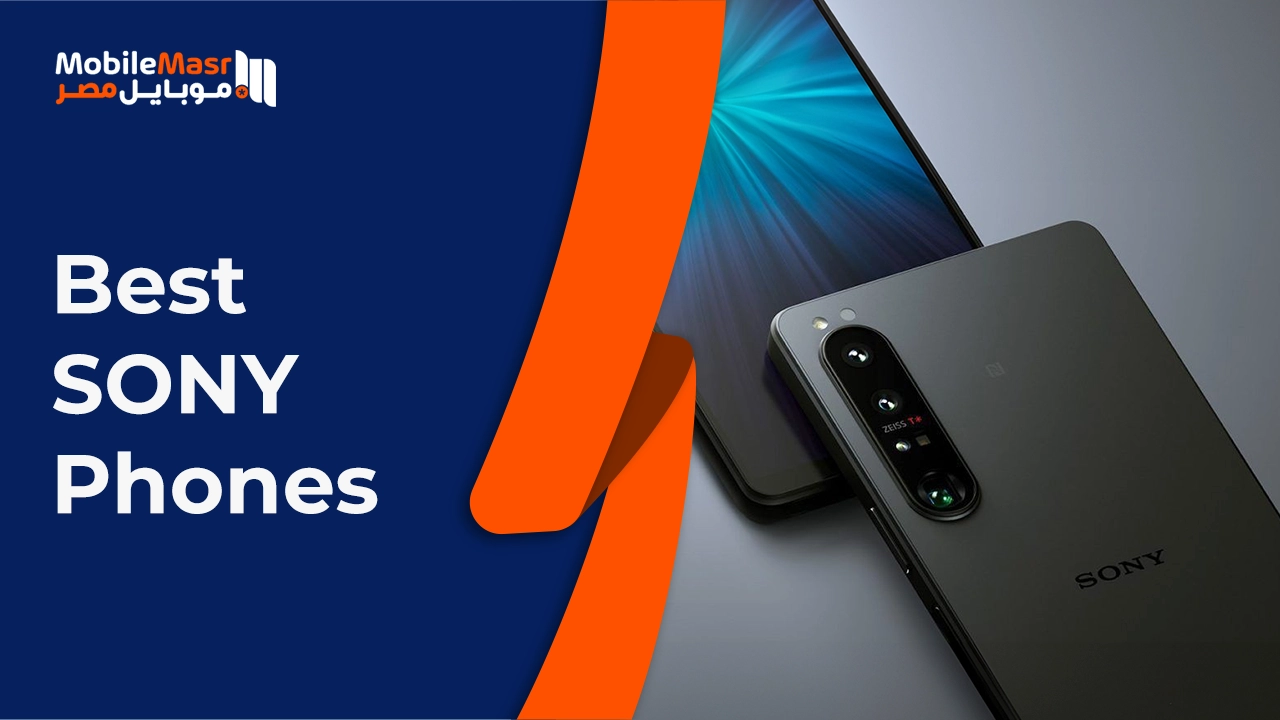
What Are the Best Sony Mobiles to Buy in 2026?
Why Should You Consider Buying a Sony Mobile in 2026?
If you’re in the market for a smartphone that stands out from the crowd, Sony mobiles offer a distinctive blend of camera quality, performance, durability, and a clean, no‑frills experience. Sony has built a reputation on leveraging its deep heritage in imaging — the same expertise behind its “Alpha” and “Cyber-shot” cameras — and packing it into compact, well-engineered smartphones. Choosing one of the best Sony mobiles today means investing in devices with strong longevity (good Sony phone prices relative to quality), reliable battery life, quality materials, and clean software that feels closer to stock Android than many heavily skinned alternatives.
In 2026, Sony continues to push for excellence, combining top-tier hardware with a disciplined focus on what matters: camera system, display, battery, and real-world performance. If you care about long-term value — whether for photography, video, content creation, or simply a dependable daily driver — Sony remains a compelling option.
What Makes Sony Xperia Phones Different from Other Brands?
Sony Xperia phones stand apart primarily because of their heritage in cameras and audio. Unlike many brands that try to cram as many features as possible, Sony tends to focus on fewer but higher‑quality components. That means their flagship and mid-range devices usually deliver excellent camera performance, balanced battery life, and clean Android software with minimal bloat.
You’ll also notice a consistent design language: a boxy, utilitarian build that emphasizes function over flashy aesthetics. This often translates to better durability, easier handling (especially for longer sessions of photography or video), and a sense of reliability.
Moreover — and this is key — Sony phones often appeal more to enthusiasts than to general consumers. If you value manual control, image quality, and a “less is more” approach, Sony provides an experience that many Samsung or iPhone‑centric users simply don’t get. That focus on fundamentals — camera optics, display quality, battery and performance — is a core reason many still consider Sony when shopping for the best Sony mobiles.
How Does Sony's Camera Technology Compare to Competitors?
Sony’s camera strategy is deeply rooted in its long legacy as a camera manufacturer. Their sensors — often Exmor / Exmor T, borrowed from their professional camera lines — and use of Zeiss optics set them apart. Compared to many other brands, Sony tends to emphasize natural colors, realistic rendering, and manual control rather than computational photography heavy-handed filters.
In practice, this means Sony photos often look more “authentic” rather than artificially enhanced. For many users — especially photographers, videographers, and content creators — that realism is far more valuable than over‑processed images. Additionally, Sony often gives users more control over ISO, shutter speed, RAW format, and manual focus, allowing for professional-grade shots with the right know-how.
What Is Sony's Approach to Display Quality?
Sony doesn’t always chase the highest possible resolution; instead, they focus on delivering clean, color-accurate displays that excel at real-world consumption — watching movies, editing photos, or content creation. Their OLED screens, often with “Bravia tuning,” prioritize color accuracy, brightness, contrast, and even gamut coverage.
While some rivals push QHD+ or even 4K resolution, Sony tends to prioritize balance — good brightness, accurate color, and efficient battery use. This makes their phones particularly well suited for creative tasks, video watching, and everyday use without wasting power.
Who Are Sony Xperia Phones Best Suited For?
Are Sony Phones Good for Professional Photographers?
Yes — Sony phones are a solid choice for professional photographers or enthusiasts who want high control, flexibility, and camera fidelity. Thanks to features like manual exposure controls, RAW capture, Zeiss optics, and telephoto/macro lenses on some models, you can treat these phones almost like a compact mirrorless camera. For portraits, street photography, landscapes — especially situations requiring subtle, natural render — Sony phones excel.
Do Content Creators Benefit from Sony Xperia Features?
Absolutely. For content creators — vloggers, short‑form video makers, social media curators — Sony’s strengths shine. Its strong video recording capabilities (4K, high frame-rate options), stable audio (stereo speakers, high-res audio, headphone jack on some models), and clean software make for a smooth content-creation workflow. The balanced performance, reliable battery, and expandable storage (on many models) make Sony a practical companion, not just a flagship gadget.
What Are the Main Advantages of Sony Mobiles Over Samsung and iPhone?
- Camera fidelity and realism — Sony’s approach favors authenticity over heavy post-processing.
- Manual control & flexibility — Full control over photography/video settings, RAW capture, telephoto/macro, dedicated shutter button on some models.
- Balanced hardware without unnecessary bloat — Clean software, expandable storage, headphone jack (on certain models), strong battery life, and no obsessive race to the highest megapixel count or charging wattage.
- Better value for photography/video-focused users — For people who prioritize camera quality, battery reliability, and long-term utility, Sony offers a different sort of “value” than the megapixel-and-speed arms race many brands engage in.
What Are the Best Sony Flagship Phones in 2026?
Is the Sony Xperia 1 VI the Best Sony Phone Right Now?
For many users, Xperia 1 VI is currently the top pick among Sony devices. It balances elite-level camera performance, strong display, good battery life, and premium build. It embodies what “best Sony mobiles” means in 2026: a refined, no-nonsense flagship optimized for camera, media, and everyday reliability.
What Are the Key Specs of Sony Xperia 1 VI?
- Display: 6.5-inch LTPO OLED, Full HD+ (1080×2340), adaptive refresh 1–120 Hz
- Processor: Snapdragon 8 Gen 3, with Adreno 750 GPU
- Memory / Storage: 12 GB RAM, 256 GB storage (expandable via microSD)
- Battery: 5,000 mAh battery, with 30W wired fast charging, wireless charging, and reverse wireless charging
- OS: Android 14, with promise of major OS upgrades and security updates.
- Durability: Corning Gorilla Glass Victus 2 on front, good dust/water resistance.
Beyond specs, Xperia 1 VI comes with Sony’s signature design — a solid, boxy build, often with a textured glass back that avoids fingerprints, and the same disciplined aesthetic that makes Sony phones feel durable and premium.
How Good Is the Xperia 1 VI Camera System?
The camera system is arguably the strongest reason to go for Xperia 1 VI. It includes a triple rear setup: a 48 MP primary sensor (Sony Exmor T), a 12 MP ultra-wide, and a 12 MP zoom / telephoto lens with optical zoom (3.5x to 7.1x) and even a tele-macro mode.
Thanks to Zeiss optics, S-Cinetone-like color tuning, and Sony’s familiar image processing, photos come out with natural tones, well-balanced exposure, and good detail. These cameras support 4K HDR video — even up to 120 fps — making the phone a very credible video device.
For many photographers and videographers, the Xperia 1 VI is one of the best Sony mobiles in 2026 — maybe the best.
What Display Technology Does the Xperia 1 VI Use?
As noted, it uses a 6.5-inch LTPO OLED panel with Full HD+ resolution and adaptive refresh between 1 and 120 Hz.
Though Sony dropped the previous generation’s 4K panel, this screen is brighter and more practical for daily use, especially given its adaptive refresh — which helps save battery when high refresh isn’t needed.
How Long Does the Xperia 1 VI Battery Last?
With a 5,000 mAh cell, Xperia 1 VI can comfortably deliver a full day of heavy usage — often stretching to nearly two days with moderate use, according to Sony.
Charging is via 30W wired fast charging (50% in ~30 minutes, ~86 minutes to full) and it also supports wireless and reverse wireless charging.
Given its combination of battery capacity, display efficiency, and optimized software, battery performance remains among the best for flagship Sony phones.
Should You Buy the Sony Xperia 1 V in 2026?
The predecessor to the 1 VI, Xperia 1 V, remains relevant — especially if you find it at a reduced price. It uses a Snapdragon 8 Gen 2 chipset, and still offers high-end performance.
If you don’t need the latest telephoto/wider display tweaks and just want flagship performance at a lower cost, the 1 V can still be a solid buy. That said, given how close 1 VI is to being “future proof,” many will prefer to invest in the newer model.
How Does the Sony Xperia Pro-I Perform as a Camera Phone?
While not a new 2025/2026 model, the Xperia Pro-I remains a niche but powerful choice — especially for photography and videography enthusiasts who want the most flexibility from a smartphone. With its large “1-inch” sensor (borrowed from Sony’s compact cameras), Zeiss optics, manual controls, and support for RAW and Cinema Pro modes, Pro-I continues to be one of the most camera-focused phones available.
For users who treat their phone as a backup to a dedicated camera, or who need mobile-level but pro‑level video/photo work, the Xperia Pro-I delivers a significantly different experience than most consumer phones. Its main downside is that it lacks the polish of newer models (e.g. newer chipsets, better battery life), but as a dedicated image device — it’s still hard to beat.
What Are the Best Mid-Range Sony Phones in 2026?
Is the Sony Xperia 5 V the Best Compact Flagship?
Though not officially confirmed in many markets, reports suggest the Xperia 5 V (expected late 2025) aims to deliver flagship-level camera and performance in a more compact form factor — making it a candidate for “best compact Sony mobile.” According to some spec sheets, it may feature a 6.5-inch 1080p OLED with 120 Hz refresh, 12 GB RAM, and HDR10+ support.
If you prefer a smaller body (compared to typical “phablets”) but still want high-end performance and camera quality, the Xperia 5 V could hit a sweet spot.
What Screen Size Does the Xperia 5 V Have?
The rumored screen size is about 6.5 inches, with a Full HD resolution and 120 Hz refresh rate.
This makes the device significantly more manageable in hand than many large flagships, while still offering a smooth, vibrant display — great for media, editing, or everyday use.
How Does the Xperia 5 V Camera Compare to Xperia 1 VI?
While we don’t yet have full official detailed specs for 5 V (at the time of writing), early leaks suggest Sony will retain strong camera hardware, possibly similar to the flagship, but perhaps with fewer “pro-touches” (e.g., slightly trimmed telephoto reach, simpler lens coatings) to maintain a mid-range price point.
For many, it could represent the best balance: near‑flagship camera + compact size + lower cost — exactly what mid-range Sony phones aim for.
What Processor Powers the Sony Xperia 5 V?
According to leaks, the Xperia 5 V may use a modern Snapdragon processor (likely a variant of 8-series) with 12 GB RAM, making it well capable of heavy multitasking, gaming, and content creation.
That means performance will likely feel “flagship-like,” even if Sony trims some extra camera or battery luxuries to hit a lower price point.
Should You Consider the Sony Xperia 5 IV in 2026?
If the 5 V remains out of reach, or you prefer a proven device, the older Xperia 5 IV (when available used or discounted) may still be a valid mid-range/compact “Sony experience.” It’s likely to have older but still capable hardware, decent camera and display, and a smaller, easier-to-handle body.
For those who care about balanced specs at a lower cost — especially for everyday use, media, or light content creation — a 5-series Xperia remains a worthwhile choice. Current Sony phone prices (especially for previous-gen hardware) often make these mid-range phones a good value.
How Does the Sony Xperia 10 VI Perform for Its Price?
If you’re looking for one of the most value-oriented “best Sony mobiles,” Xperia 10 VI — launched in 2024 — offers many of Sony’s strengths at a more accessible price point
What Are the Main Specs of Xperia 10 VI?
- Display: 6.1-inch OLED, Full HD+ (1080 x 2520), 60 Hz refresh rate.
- Processor: Snapdragon 6 Gen 1, with 6–8 GB RAM and 128 GB storage (expandable) on many variants.
- Battery: 5,000 mAh, with 30 W wired charging.
- Camera: Dual rear camera (48 MP main + 8–12 MP ultrawide), 8 MP front camera.
Is the Xperia 10 VI Good for Everyday Use?
Yes — for everyday tasks, social media, browsing, light photography, and daily communication, the 10 VI provides reliable performance at a reasonable price. The OLED panel, though not high refresh, still delivers good colors; the battery is plentiful; storage can be expanded; and the overall experience is balanced.
For casual users — or anyone who wants a Sony mobile without paying flagship prices — 10 VI remains a highly recommendable option among the best Sony mobiles.
How Is the Battery Life on Xperia 10 VI?
With a 5,000 mAh battery, the 10 VI should comfortably last a full day of typical use — and often more with conservative usage. The modest resolution and 60 Hz screen help reduce power draw, making it efficient for everyday tasks.
What Are the Best Budget Sony Phones Available in 2026?
Is the Sony Xperia 10 V a Good Budget Option?
For budget-conscious buyers, Xperia 10 V and similar “10-series” devices often represent the most affordable entry into the Xperia ecosystem. While not as powerful or feature-rich as flagships, they preserve key Sony advantages: reliable battery, clean software, decent camera, and expandable storage.
A 10-series device like Xperia 10 V generally suits users who prioritize basic smartphone functions — calls, messaging, browsing, social media, light photography, and modest multimedia — without needing top-tier camera or gaming performance.
The OLED display (though basic), ability to expand storage, and typical Xperia value make such budget phones decent options for students, casual users, or as secondary devices.
Should You Buy the Sony Xperia 10 IV in 2026?
It depends on price and availability. If the 10 IV is significantly discounted, and if you’re not demanding high-end performance or advanced photography, it can still serve as a functional, budget Sony phone. But compared to 10 VI, the newer model gives better value — especially in terms of battery, software support, and efficiency.
The main trade-offs will be camera quality, processing power, and longevity; but for light users, that may be acceptable.
Are There Any Sony Phones Under 10,000 EGP?
In 2026, it's unlikely to find brand-new Sony smartphones under 10,000 EGP at retail, especially flagship or mid-range models. Sony tends to price its devices in the mid-range to premium bracket. However — in used or refurbished markets, or older models (e.g., 10-series or even 5-series from earlier years) — there might be phones approaching that price, depending on their condition and availability.
If you’re strictly on a tight budget, consider looking at used or refurbished Sony phones, or exploring more budget-oriented brands — but bear in mind you’ll likely miss out on many of Sony’s signature strengths (camera fidelity, software experience, build quality).
How Do Sony Phone Cameras Compare in 2026?
Which Sony Phone Has the Best Camera Overall?
At present, Sony Xperia 1 VI — with its triple-camera setup (48 MP main + wide + zoom/telephoto), Zeiss optics, and Sony Exmor T sensor — is arguably the Sony phone with the best all-around camera system available. Limited only by Sony’s conservative approach to processing, the 1 VI delivers some of the most natural color balance and manual controls among smartphones — ideal for those who want the best from “best Sony mobiles.”
If you need even more specialized camera performance (e.g., for professional photography or videography), the older Xperia Pro-I remains a strong contender thanks to its large sensor and extensive manual controls.
What Is Sony's BIONZ Processor and How Does It Work?
Sony leverages its own imaging and processing algorithms — often branded under names like BIONZ (or similar) — to handle noise reduction, color rendition, dynamic range, and autofocus. These processors, honed through Sony’s legacy in dedicated cameras, help deliver clean, natural-looking images with good detail retention and accurate color.
Because of BIONZ and related image processing, Sony phones tend to prioritize realism over the cosmetic “enhance everything” approach many other brands use. That makes their photos more predictable, more realistic, and often more useful for post‑processing or professional use.
How Does Sony Use ZEISS Optics in Their Phones?
On flagship models like Xperia 1 VI (and in past models / Pro lines), Sony partners with Zeiss to include premium optics — including special lens coatings (often Zeiss T* coating) that reduce reflections, improve sharpness, and boost contrast. This collaboration elevates Sony phones’ camera systems into a class beyond typical smartphone lenses, giving better clarity, more accurate color, and noticeably improved low-light performance compared to many rivals.
Which Sony Phone Is Best for Photography Enthusiasts?
For enthusiasts seeking full control and flexibility: Xperia 1 VI or Xperia Pro-I. Both give you manual exposure, RAW capture, good sensors, telephoto/macro options, and Zeiss optics — ideal for photography that goes beyond casual point‑and‑shoot.
If you’re more casual — occasional portraits, travel photos, social media uploads — a mid-range phone like Xperia 10 VI still offers respectable camera performance, though naturally not at the same level.
Can You Shoot RAW Photos on Sony Phones?
Yes. On Sony’s flagship and pro-oriented models (like Xperia 1 VI or Pro-I), you can shoot in RAW format, giving you greater flexibility for post-processing. That’s one of the reasons many photographers choose Sony: the ability to treat a smart phone image almost like one from a dedicated camera.
Which Sony Phone Is Best for Video Recording?
For video, the Xperia 1 VI excels. It supports 4K HDR recording, high frame‑rate video (120 fps in some cases), and manual controls via Sony’s video apps. The combination of strong optics, stable focusing, and good audio (stereo speakers or headphone output) makes it one of the better phones for videography in 2026.
Do Sony Phones Have Optical Image Stabilization?
Yes , flagship devices typically include OIS (optical image stabilization) on the primary sensor, and sometimes even on telephoto lenses, which helps in handheld photography and video recording.
How Do Sony Phone Cameras Perform in Low Light?
Thanks to fairly large sensors (e.g., 1/1.35" on Xperia 1 VI’s 48 MP main camera), Zeiss optics, and robust image-processing pipelines, Sony phones perform surprisingly well in low light for a smartphone. Night shots tend to retain detail, contrast, and realistic color without overly aggressive noise reduction or softening — a common complaint with heavily processed phones.
What Display Features Do Sony Phones Offer in 2026?
Which Sony Phones Have 4K Displays?
Interestingly, Sony shifted away from 4K on the Xperia 1 VI in favour of adaptive LTPO OLED and Full HD+ resolution.
As a result, no current Sony phone (as of 2026) offers a 4K display — sacrificing resolution, but gaining battery efficiency, brightness, and adaptability. That may disappoint some who loved the cinematic “true 4K” screens.
Is a 4K Display Necessary on a Smartphone?
It depends on your use case. For most users , browsing, social media, photography, everyday apps — 4K is overkill. High resolution beyond Full HD often offers limited practical benefit and can drain battery faster. For Sony’s target audience (photographers, creators, daily users), the shift to an FHD+ LTPO display makes sense: sharper than enough for mobile, more efficient, and easier on the eyes in real-world usage.
What Is Sony's BRAVIA Display Technology?
Sony leverages its BRAVIA display expertise — originally honed in TVs — to tune the color, contrast, and overall visual quality of their smartphone OLED panels. The result is vibrant, accurate colors, good HDR performance, and a natural look for video, photo editing, and media consumption.
In short: the display isn’t just about resolution, but about faithfully rendering what’s on screen — ideal for photographers, editors, and media consumers.
Which Sony Phones Have 120Hz Refresh Rate?
At least the Xperia 1 VI supports adaptive refresh up to 120 Hz
Mid‑range or budget models (e.g., Xperia 10 VI) typically stick to 60 Hz, which — while less smooth — helps with battery longevity and suits casual use.
Does 120Hz Make a Difference in Daily Use?
Yes, especially when you scroll, browse, or play games. User experience feels more fluid, animations smoother, and navigation more responsive. For content creators and gamers, 120 Hz adds to the sense of polish. But for everyday tasks, 60 Hz is usually “good enough,” especially if battery life matters more.
Can You Adjust the Refresh Rate on Sony Phones?
On devices like Xperia 1 VI, yes. The LTPO panel allows adaptive refresh — the phone dynamically shifts between 1 Hz and 120 Hz depending on content, balancing smoothness with power efficiency.
Do Sony Phones Have Always-On Display?
As of the latest models (e.g., Xperia 1 VI), Sony’s focus seems more on battery preservation and core functionality — so Always-On Display isn’t a major highlight (unlike some competitors). This may disappoint some users, but is a conscious trade-off for battery and performance stability.
How Does Sony Handle HDR Content?
With their OLED displays tuned by BRAVIA and proper HDR support (on certain models), Sony phones handle HDR content — movies, photos, streaming — quite well. Colors appear accurate, contrast is strong, and overall viewing experience is pleasing, especially for content creators or cinephiles who value fidelity.
How Is Battery Life on Sony Phones in 2026?
Which Sony Phone Has the Best Battery Life?
Among recent Sony mobiles, Xperia 1 VI and Xperia 10 VI both feature robust 5,000 mAh batteries. Between them, thanks to adaptive refresh and more efficient chipsets, the 1 VI is arguably the best all-rounder for battery + performance.
For lighter users or those on a budget, Xperia 10 VI offers a reasonably efficient package, making it good for everyday use or as a backup device.
How Many mAh Batteries Do Sony Flagships Have?
Current flagships like Xperia 1 VI use a 5,000 mAh battery — a healthy size for modern smartphones, balancing capacity and phone size.
Do Sony Phones Support All-Day Battery Life?
Yes, Under typical usage browsing, calls, social media, light photography — users can expect a full day’s use, often stretching close to two days on a single charge, especially with adaptive refresh and power optimizations.
Do Sony Phones Support Fast Charging?
Yes, flagships support wired fast charging. For example, Xperia 1 VI supports 30 W wired fast charging.
What Wattage Fast Charging Do Sony Phones Support?
For 1 VI, 30 W wired charging. This is modest compared to some rivals offering 45 W, 65 W or more.
How Long Does It Take to Fully Charge Sony Phones?
The Xperia 1 VI takes around 86 minutes to reach 100%, and about 30 minutes to reach ~50%.
Do Sony Phones Have Wireless Charging?
Yes, flagship models like Xperia 1 VI include wireless charging and even reverse wireless charging.
Do Sony Phones Support Reverse Wireless Charging?
Yes, at least on Xperia 1 VI.
What Is Sony's Battery Care Technology?
Sony includes features like “Xperia Adaptive Charging” and “Battery Care,” which aim to prolong the battery’s lifespan by managing charging speed, temperature, and charging patterns. Over time, this helps maintain healthier battery capacity compared to reckless fast charging.
How Does Battery Care Extend Battery Lifespan?
By managing the charging curve, avoiding overheating, and reducing stress on the battery over time ,which reduces long-term degradation. For users who keep their phones for years, this can make a significant difference in battery health and longevity.
What Performance Can You Expect from Sony Phones in 2026?
Which Processors Do Sony Phones Use?
- For flagship — Snapdragon 8 Gen 3 (as in Xperia 1 VI)
- For mid-range — Snapdragon 6 Gen 1 (as in Xperia 10 VI)
- Expected for upcoming compact flagship (Xperia 5 V) — likely a high-end Snapdragon variant (per leaks)
How Does Snapdragon 8 Gen 3 Perform in Sony Phones?
In Xperia 1 VI, the Snapdragon 8 Gen 3 delivers flagship-level performance. It handles multitasking, heavy apps, creative workflows (photo/video editing), and even gaming with ease, all while staying relatively cool thanks to Sony’s vapor-chamber cooling design.
What About Snapdragon 6 Gen 1 Performance?
On phones like Xperia 10 VI, Snapdragon 6 Gen 1 provides adequate day-to-day performance, smooth UI, social apps, media, and light games. For heavy gaming or intensive creative workloads, it’s more limited, but for everyday use it remains a solid, efficient choice.
How Much RAM Do Sony Phones Have?
- Xperia 1 VI: 12 GB RAM
- Xperia 10 VI: around 6–8 GB RAM depending on the variant.
Is 12GB RAM Enough for Heavy Multitasking?
Yes, more than enough. 12 GB of RAM paired with a powerful SoC ensures smooth multitasking, quick app switching, creative apps, video editing, and heavy workloads — exactly what you expect from a flagship.
What Storage Options Are Available on Sony Phones?
Many Sony phones, including flagships like Xperia 1 VI, support expandable storage via microSD.
Do Sony Phones Have Expandable Storage?
Yes, Sony still offers a microSD card slot on many models, which is increasingly rare among flagship smartphones. This adds to their long-term practicality, especially for photographers or users who store lots of photos, videos, or media.
What Is the Maximum microSD Card Supported?
Specifications typically show support for microSDXC cards — allowing significant expansion beyond internal storage (often up to 1 TB or more).
Are Sony Phones Good for Gaming?
Yes — especially the flagship ones. With Snapdragon 8-series chips, enough RAM, and optimized cooling (vapor chamber), Sony phones like Xperia 1 VI handle heavy games smoothly. The LTPO OLED screen also helps, giving good refresh rate flexibility, and the stereo speakers plus headphone jack are a bonus for gaming audio.
Do Sony Phones Have Game Enhancer Mode?
Sony includes gaming tools: adjustable touch sensitivity, display tuning, FPS optimizer, and thermal management to maintain performance during long gaming sessions.
How Do Sony Phones Handle Heat During Gaming?
Thanks to a vapor‑chamber cooler (on flagship devices) and efficient chipsets, Sony phones tend to manage heat well, avoiding excessive thermal throttling even under long gaming sessions.
What Software Features Do Sony Phones Include?
What Android Version Do Sony Phones Run in 2026?
- Xperia 1 VI ships with Android 14.
- Sony promises several major OS updates and multiple years of security patches.
Does Sony Provide Stock Android Experience?
Mostly yes. Sony’s Android skin is quite clean and close to stock, with minimal bloatware. That appeals to users who prefer a simple, efficient, and unencumbered software experience — especially compared to heavily skinned alternatives.
How Long Does Sony Support Software Updates?
For new models (like Xperia 1 VI), Sony commits to a few major Android upgrades and several years of security updates.
What Unique Sony Apps Come Pre-installed?
Sony includes a few of its own apps geared toward photography, video, and audio. For example:
- Photography Pro / Pro Video / Cinema Pro — apps that unlock full manual controls, RAW shooting, advanced video settings.
- Music Pro / Audio apps — for high-resolution audio, LDAC support, and other audio tuning.
- Gaming / performance utilities — tools to optimize performance, thermal management, touch response, etc.
These apps enhance the user experience, particularly for photographers, videographers, or content creators who want more control than standard camera apps generally allow.
What Is a Photography Pro App and How Does It Work?
Photography Pro provides manual controls — like ISO, shutter speed, focus, white balance — similar to a DSLR or mirrorless camera. Combined with Sony’s sensors and Zeiss optics, it lets you shoot high-quality images, capture RAW, and flexibly adjust settings for optimal results.
What Is a Cinema Pro App Used For?
Cinema Pro is tailored for video creators. It offers manual video controls, cinematic color settings (often inspired by Sony’s Alpha and Cinema line), and lets users record professional-grade video directly from the phone. This makes Xperia phones especially useful for mobile videography and content creation.
What Is Music Pro App Enhance Audio Recording?
For those using their phone to record audio — for vlogs, interviews, music, or simple voice memos — Music Pro offers higher audio quality, better mic control, and tuning — another sign Sony targets creators, not just casual users.
Does Sony Include Bloatware on Their Phones?
Minimal. Sony’s philosophy leans toward a clean, efficient software experience. Instead of packing tons of unnecessary apps, they focus on a few powerful ones (camera, audio, video) — which speaks to their target audience of enthusiasts, creators, and long-term users.
How Often Does Sony Release Security Updates?
For recent models (like Xperia 1 VI), Sony commits to multiple years of security updates — ensuring that even after a few years, the phone remains secure and reliable.
How Durable Are Sony Phones in 2026?
Are Sony Phones Water and Dust Resistant?
Yes — many models have good dust/water resistance. For example, Xperia 1 VI comes with IP65/IP68 certification.
That makes them suitable for everyday use, occasional spills, rain, or dusty conditions — a practical plus, especially if you live somewhere with variable environmental conditions or travel a lot.
What Materials Are Sony Phones Made Of?
Sony phones often use sturdy materials: glass with Gorilla Glass Victus (or Victus 2), and premium construction. The Xperia 1 VI, for example, uses Gorilla Glass Victus 2 for better scratch and drop protection.
Many have a textured / frosted glass back to reduce fingerprints and improve grip — a small but appreciated detail that reflects Sony’s design mindset.
Do Sony Phones Use Gorilla Glass?
Yes, flagships like Xperia 1 VI use Gorilla Glass Victus 2, offering strong protection against scratches and drops.
Are Sony Phone Frames Made of Aluminum?
Sony tends to use premium materials, though exact frame composition may vary by model. The overall build quality is quite solid, with emphasis on durability and longevity rather than ultra‑thin designs.
Do Sony Phones Come with a Screen Protector?
Out of the box, they generally don’t come with a screen protector. Given Sony’s use of high-quality glass (like Victus), you might not immediately need one — but many users still opt for third-party protectors if they want extra peace of mind.
How Repairable Are Sony Phones?
Because of their relatively simple design (compared to overly thin or foldable phones), Sony Xperia devices are often easier to repair than some competitors. The use of microSD slots and non-proprietary battery / charging systems also helps extend longevity. Overall, Sony phones tend to be practical and maintainable — a plus for long-term ownership.
What Are Sony Phone Prices in Egypt for 2026?
How Much Does the Sony Xperia 1 VI Cost in Egypt?
Exact prices fluctuate based on retailer, import duties, availability of stock, and currency rates. As of launch, global pricing placed Xperia 1 VI at a premium — typically in the high-end bracket (often comparable to flagship offerings from other brands).
In Egypt, because of import costs and taxes, expect the price to be somewhat higher than global standard. If you’re considering one, check multiple retailers and consider used/refurbished options.
What Is the Price of Sony Xperia 5 V in Egypt?
Since Xperia 5 V is relatively new and depending on its release region, its price in Egypt will largely depend on availability. Given its expected specs (compact flagship), it should be priced below the 1 VI, but above budget models. Leaks suggest it will target users seeking a balance of performance, camera, and compactness.
How Much Does Sony Xperia 10 VI Cost in Egypt?
As a mid-range Sony phone, 10 VI tends to be one of the more affordable “best Sony mobiles.” Global pricing shows it as a mid-tier device, and in Egypt it’s likely to be more accessible — making it a strong “budget-friendly” Sony option.
Where Can You Buy Sony Phones in Egypt?
You can find Sony phones through:
- Official retailers or authorized dealers
- Online marketplaces
- Import / gray‑market shops (especially for newer models or limited availability)
- Used / refurbished phone sellers (especially older 5-series or 10-series devices)
Be sure to check for warranty coverage, authenticity, and after-sales support — especially when buying import or second-hand devices.
Is It Better to Buy Sony Phones Online or in Stores?
- Online: often cheaper, wider selection, more chance to find newer or imported models.
- In stores: better for warranty support, hands-on inspection, easier returns or repairs.
- Used: value-friendly but riskier — carefully check condition, battery health, and seller reputation.
Does Sony Offer Warranty in Egypt?
It depends on the retailer/importer. Official distributors typically offer warranty — but sometimes grey-market imports or online-only sellers may offer limited or no warranty. Always clarify before buying.
Are Sony Phones Worth Their Price in Egypt?
For photography, content creation, long-term use, and reliability — yes. Sony phones tend to hold their utility longer than many “feature-laden but fragility built” alternatives. If you value quality over flash — reliable camera, good battery, expandable storage, clean software — Sony phones deliver strong value for money, even with the higher price in Egypt.
How Do Sony Phones Compare to Competitors in 2026?
Sony vs Samsung: Which Brand Makes Better Phones?
- Camera: Sony tends to favor realism and manual controls; Samsung often emphasizes computational photography, high megapixel counts, and aggressive processing. If you value natural color and manual flexibility — Sony wins.
- Value for money: Samsung often offers aggressive spec cadences (high refresh displays, fast charging, cutting-edge processors). Sony offers a balanced — sometimes conservative — feature set, but often more durable and long-lasting.
- User experience: Sony gives you a cleaner, less bloaty Android, while Samsung tends to add more features and customization.
If you want raw power and a “everything included” package, Samsung may appeal. If you appreciate balance, longevity, and photography realism — Sony often offers better long-term satisfaction.
Sony vs iPhone: Which Should You Choose?
- Camera vs computational photography: iPhone heavily relies on computational photography and optimization, while Sony gives you more raw control and realism. For creative control — Sony wins. For “point-and-shoot” simplicity — iPhone may win.
- Ecosystem: iPhone offers a tight software/ecosystem integration, but Sony offers flexibility (microSD, headphone jack, clean Android).
- Flexibility: For video, photography, and customization — Sony often offers more. For uniformity and seamless integration — iPhone delivers.
Sony vs Google Pixel: Which Offers Better Camera Software?
Google Pixel excels in computational photography: smart HDR, point-and-shoot simplicity, and consistently impressive results without manual effort. Sony, on the other hand, offers manual controls, realistic output, and customization.
- Pixel: Best for users who want good photos automatically, with minimal effort.
- Sony: Best for users who want control, realism, and editing flexibility.
Sony vs Xiaomi: Which Offers Better Specs for Price?
Xiaomi often packages high specs (fast charging, large batteries, high refresh displays, many cameras) for less money. Sony typically offers fewer specs but higher-quality execution (camera sensors, build quality, software).
If you want maximum specs for your money — Xiaomi might be the pick. If you want a reliable, consistent, long-term device with a good camera and build — Sony is a strong contender.
What Audio Features Do Sony Phones Have in 2026?
Do Sony Phones Have a Headphone Jack?
On many flagship and mid-range models (like Xperia 1 VI), yes — Sony often retains the 3.5 mm headphone jack.
For audiophiles or those who prefer wired audio, that’s a major plus in 2026 when many phones abandon it entirely.
Do Sony Phones Have Stereo Speakers?
Yes, flagship models include stereo speakers, and some even support high‑resolution audio formats, LDAC, and high-quality wireless audio standards.
What Is Sony's LDAC Audio Technology?
LDAC is Sony’s high-resolution Bluetooth audio codec, which allows for higher bitrates and better-quality wireless audio compared to standard Bluetooth. On compatible headphones, it delivers richer, more detailed sound — a benefit for music lovers and creators alike.
Do Sony Phones Support Dolby Atmos?
On many Xperia devices, yes, or at least they support high-quality stereo playback that competes well with Dolby Atmos-enabled phones. Combined with stereo speakers or wired headphones, Sony phones deliver a robust audio experience for music, videos, or content creation.
How Good Are Sony Phones for Music Listening?
Thanks to the headphone jack, LDAC support, stereo speakers, and quality audio circuitry, Sony phones are among the best choices for music lovers who care about sound fidelity — whether through headphones or speakers. For many users, that audio quality is a key differentiator compared to other phones.
What Connectivity Options Do Sony Phones Offer in 2026?
Do Sony Phones Support 5G in Egypt?
Yes. Flagship and many mid-range Xperia models come with 5G modems (e.g., Snapdragon 8 Gen 3) and support standard modern connectivity — which should work in Egypt depending on carrier.
Which Sony Models Have 5G Capability?
- Xperia 1 VI — yes.
- Likely mid-range and newer models (like Xperia 5 V) too, since they use modern Snapdragon chips.
Is 5G Available and Useful in Egypt?
It depends on your carrier and region. If your mobile provider supports 5G, you can benefit from faster data speeds. If not, the phones will fall back on 4G / LTE — which they also support.
What WiFi Standards Do Sony Phones Support?
Recent flagships like Xperia 1 VI support modern Wi-Fi standards for fast, stable connectivity. Mid-range devices may support slightly older standards, but still sufficient for everyday use.
Do Sony Phones Have NFC for Payments?
Yes, many Xperia devices include NFC, enabling mobile payments, data exchange, and other NFC-based features.
What Bluetooth Version Do Sony Phones Use?
Flagships like Xperia 1 VI use modern Bluetooth versions (e.g., 5.4) which support high-quality audio codecs, low-energy audio modes, and stable wireless connectivity.
Do Sony Phones Support Dual SIM?
Many Xperia models support dual SIM (often nano + nano or hybrid slot), giving flexibility for those who want two numbers or combine SIM + microSD.
Can You Use Dual SIM and microSD Simultaneously?
Often on Sony phones with hybrid slots, you may need to choose between a second SIM or a microSD card. This is something to check when buying, depending on your priorities (dual SIM vs storage expansion).
What Accessories Are Available for Sony Phones in 2026?
What Official Sony Accessories Can You Buy?
Sony offers — or has offered — several official accessories:
- Protective cases / covers (leather, fabric, silicone)
- Screen protectors (tempered glass or film)
- Official chargers (USB-C, fast chargers)
- High‑resolution audio headphones / earphones (taking advantage of LDAC, audio features)
- External media (microSD cards)
These accessories are usually optimized for Xperia phones and ensure a better user experience (fit, materials, compatibility).
Does Sony Make Official Cases for Their Phones?
Yes, official cases and covers are typically available for flagship and recent models. They tend to be well-made and designed to match Xperia build and dimensions.
What Charging Accessories Does Sony Offer?
Sony offers chargers compatible with USB-C fast charging, as well as wireless charging accessories for models supporting Qi / wireless charging.
What Third-Party Accessories Work Best with Sony Phones?
Because Sony uses standard USB‑C, microSD, and often retains headphone jacks, a wide variety of third-party accessories — from power banks to SD cards to headphones — work well. For audio, LDAC-compatible wireless headphones are a strong match.
For photography, you can also find third-party lenses, ND filters, gimbals, microphone attachments — making Xperia phones more versatile for creative work.
Are Sony Phone Accessories Available in Egypt?
Yes, depending on retailer/importer. Official accessories may be limited, but many third-party accessory sellers operate in Egypt, and standard accessories (USB-C chargers, SD cards, cases, headphones) are widely available.
What Should You Know Before Buying a Sony Phone in 2026?
What Are the Pros and Cons of Sony Phones?
What Users Love:
- Exceptional camera sensors + Zeiss optics → realistic, high-quality photos & video.
- Manual controls, RAW capture, and flexible camera apps for enthusiasts.
- Clean Android experience with minimal bloat.
- Expandable storage (microSD) and headphone jack on many models — still rare in 2026.
- Durable build, water/dust resistance, good battery life.
- Balanced hardware and long-term reliability.
Common Complaints / Disadvantages:
- Charging speeds are modest compared to ultra-fast chargers from other brands.
- Sony phones often play it safe — fewer flashy features, slower spec race.
- Display resolution may not be cutting-edge (e.g., no 4K).
- Software update policy is decent but not always as aggressive as Samsung / Apple.
- Hybrid SIM / microSD slots may force compromises.
Who Should Buy a Sony Phone?
- Photography and video enthusiasts who want high image quality and manual control.
- Content creators, vloggers, filmmakers who benefit from clean software, good audio, and strong camera capabilities.
- Users who value reliability, durability, clean Android, and long-term use.
- People who prefer expandable storage, headphone jack, and versatile connectivity.
Who Should Avoid Buying a Sony Phone?
- Users who chase the fastest charging, highest megapixels, or top-of-the-line gaming specs.
- People who prefer ultra-slim, flashy, “all‑bells-and-whistles” phones with a lot of pre-installed features.
- Those who want the absolute maximum spec-per-price ratio rather than balanced performance.
What Factors Should You Consider When Choosing a Sony Phone?
- Camera quality vs convenience: Do you need pro-level manual control, or just good point‑and-shoot?
- Form factor: Do you prefer a compact phone (like 5-series), or a large display (like 1-series)?
- Budget: Are you willing to invest in flagship-level hardware, or is a mid-range or budget model enough?
- Use case: Photography, video, gaming, daily use, editing — pick based on your needs.
- Future-proofing: Consider software support, storage expandability, battery longevity.
What Is the Final Verdict on Best Sony Mobiles in 2026?
Which Sony Phone Should You Buy Based on Your Needs?
- For photographers / content creators: Xperia 1 VI — unmatched balance of camera system, video capabilities, battery, display, and build quality.
- For compact flagship seekers: Xperia 5 V (when available) — powerful hardware in a more manageable form factor.
- For budget-conscious users / everyday use: Xperia 10 VI — a balanced, modern, affordable entry into the Sony ecosystem.
- For pro‑grade photography (sensor power over convenience): Xperia Pro-I — especially useful for creators who want dedicated camera-like performance.
Are Sony Phones a Smart Investment in 2026?
Yes, if you value realism, longevity, build quality, and a balanced feature set over flashy specs. Sony phones may not chase the spec race aggressively, but they often outlast many of their competitors in real-world, everyday use. For photographers, creators, travelers, and long-term users, a Sony phone is often more worth your money than many trend-chasing alternatives.
What Can We Expect from Future Sony Phones?
Given the trajectory — a focus on camera quality, balanced performance, and clean software — future Sony phones may continue emphasizing what they do best: refined imaging, reliable battery and build, clean Android, and flexible use. We may see more compact flagships, perhaps improvements in charging speed, and continued attention to photography and video quality, along with better software support cycles.
If you want a deeper dive into which models are best right now for Egypt’s market (considering price-to-quality ratio, local availability, and after-sales support), I’d be happy to break that down for you. Meanwhile — check out mobilemasr.com to explore Sony phone offers, and don’t hesitate to reach out for a personalized recommendation based on your needs.
FAQs
CONTACT US
©2026 MobiTech Integrated Solutions. . All Rights Reserved