
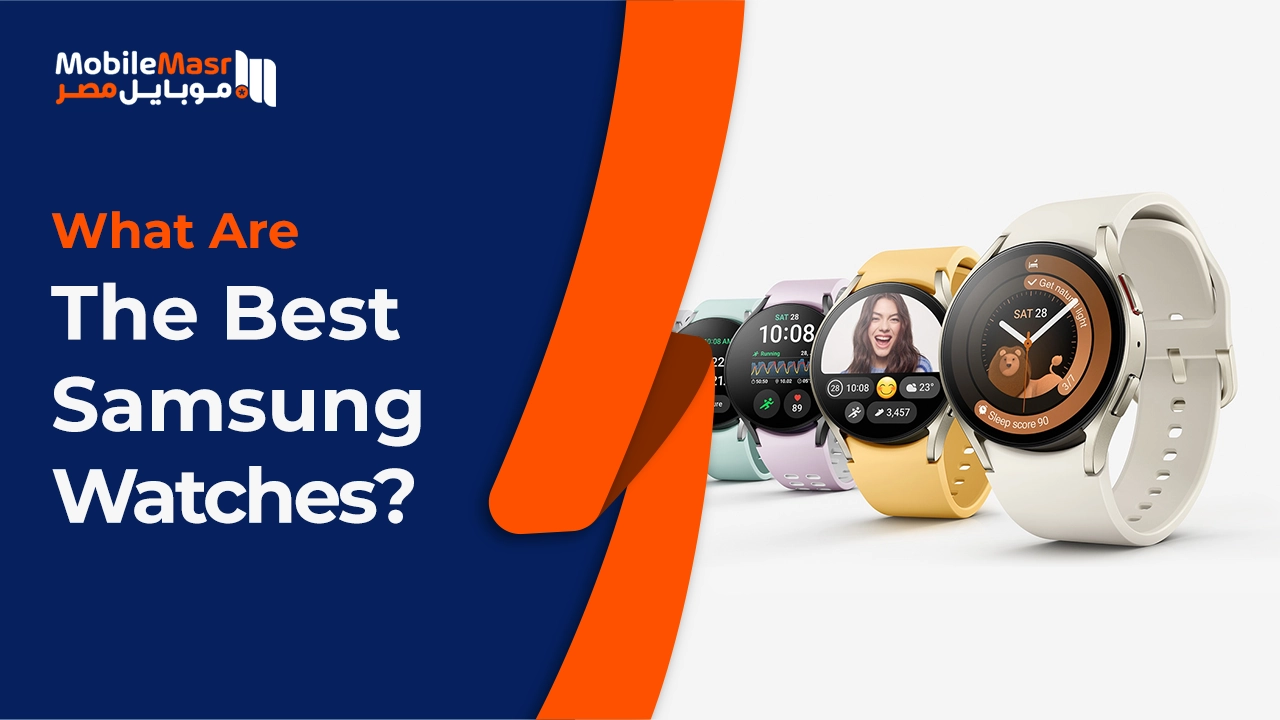
What Are the Best Samsung Watches 2026 to Buy in Egypt?
What Are Samsung Galaxy Watches and Why Are They Popular in 2026?
When people say they want the best Samsung watches, they’re usually chasing three things at once: a smooth smartwatch experience, dependable health tracking, and features that don’t fall apart the moment you step away from your phone. That’s exactly why Samsung Galaxy watches are still a top pick in 2026—especially for Android users who want “everything just works” without babysitting settings.
What Is a Samsung Galaxy Watch?
A Samsung watch is a Wear OS smartwatch built to track health, handle notifications, run apps, and connect tightly with Samsung phones. In real life, that means you can check messages, take calls, log workouts, and use Samsung Health on your wrist. If you’re browsing the Best Samsung watches, think of them as mini companions for your phone—only they’re also fitness tools and wellness trackers you actually wear all day.
Why Do Users Prefer Samsung Watches Over Other Brands?
The appeal is simple: Samsung combines strong hardware, a bright screen, and a refined interface. The Best Samsung watches also feel “complete” out of the box—great sensors, solid build, and lots of practical tools.
What Makes Samsung Watches Compatible with Android Devices?
Samsung’s watches work best with Android because they’re designed around Google services (Wear OS) plus Samsung’s own apps. The pairing process is straightforward through the Galaxy Wearable app, and the overall Samsung watch user experience feels consistent across models.
How Does Samsung's Ecosystem Integration Benefit Users?
If you use a Galaxy phone, you’ll notice smoother syncing, richer Samsung Health dashboards, easier setup, and more reliable features like quick replies and device controls. This ecosystem advantage is a major reason buyers gravitate toward the Best Samsung watches instead of switching brands.
What Is the History and Evolution of Samsung Galaxy Watches?
Samsung’s story here matters because it explains why the 2026 lineup feels more mature than ever.
How Did Samsung Transition from Tizen to Wear OS?
Samsung used to rely on Tizen, but it transitioned to Wear OS to unlock Google apps and improve long-term app support. That shift is why modern Samsung Galaxy watches can run Google Maps, Google Play apps, and deeper Google integrations.
What Were the Major Milestones in Samsung Watch Development?
Key milestones include the rotating bezel era, the rise of the BioActive sensor, and the “Ultra” push into rugged, sports-focused territory. With every generation, the Best Samsung watches became less of a “phone accessory” and more of a full wearable platform.
Who Should Consider Buying a Samsung Watch in 2026?
If you want a smartwatch that balances health tracking, smart features, and a premium feel—Samsung is a safe bet. The Best Samsung watches make the most sense for:
- Android users who want Google apps on the wrist
- Samsung phone owners who want the smoothest integration
- Fitness-focused users who need reliable workout modes
- People who want a bright screen and strong daily performance
What Are the Best Samsung Watches Available in 2026?
The 2026 conversation is basically three lanes: premium rugged (Ultra), “best for most people” (Watch 7), and budget-friendly (FE). If you’re choosing the Best Samsung watches, this is where the decision becomes easy—because each model has a clear role.
What Is the Samsung Galaxy Watch Ultra and Why Is It the Best Premium Option?
The Ultra is Samsung’s “go big” smartwatch: rugged build, advanced GPS options, and a stronger focus on serious sports use. It’s commonly positioned as Samsung’s premium alternative to Apple’s Ultra category.
What Are the Key Specifications of Galaxy Watch Ultra?
When people look for Samsung watch specifications, the Ultra stands out with a large Super AMOLED display (around the 1.47-inch class), titanium build, LTE support, and a large battery capacity reported around 590mAh depending on variant and region.
What Extreme Sports Features Does Galaxy Watch Ultra Offer?
This is where “Samsung sports watch” becomes more than a label. The Ultra leans into outdoor visibility, multi-sport tracking, longer endurance modes, advanced GPS, and sturdier materials for harsher environments. If you want the Best Samsung watches for hiking, long runs, or mixed training, the Ultra is the top-tier pick.
How Does Galaxy Watch Ultra Compare to Apple Watch Ultra?
For Android users, it’s the simplest comparison: Apple Watch Ultra is amazing—if you live in Apple’s world. Galaxy Watch Ultra gives a similar “rugged premium” vibe but stays native to Android. The real choice is the ecosystem. If you’re Android-first, the Ultra is often the smarter premium buy.
What Makes Samsung Galaxy Watch 7 the Best Overall Choice in 2026?
Watch 7 is the sweet spot: strong sensors, modern performance, and a balanced price compared to Ultra. For most buyers searching Best Samsung watches, Watch 7 is the easiest recommendation.
What Are the Display and Design Features of Galaxy Watch 7?
Expect the familiar Samsung look: circular face, clean UI, and a bright Super AMOLED panel. The Samsung watch display on Watch 7 is built for everyday clarity—indoors and outdoors—while keeping the Samsung watch design comfortable enough for 24/7 wear.
What Health Sensors Are Included in Galaxy Watch 7?
Samsung highlights its BioActive sensor system and health features like improved heart-rate tracking and sleep-related tools (including sleep apnea tracking in supported markets).
What Are the Available Sizes for Galaxy Watch 7?
Watch 7 commonly comes in multiple case sizes (often 40mm and 44mm classes depending on the lineup), so you can choose based on wrist comfort and screen preference.
Why Is Samsung Galaxy Watch FE the Best Budget Option in 2026?
The FE exists for one reason: give people the Samsung smartwatch experience without premium pricing. If your goal is a Samsung budget watch that still feels legit, FE is the name you’ll keep coming back to.
What Features Does Galaxy Watch FE Offer at Its Price Point?
You get core fitness tracking, notifications, Wear OS app support, and a polished interface. The FE is basically “the basics done right,” which is why it frequently appears on Best Samsung watches lists for value shoppers.
What Are the Limitations of Galaxy Watch FE?
This is where Samsung watch disadvantages show up. FE models tend to have fewer premium materials, smaller batteries than Ultra, and less advanced outdoor hardware (like the most advanced GPS options). It’s not “bad”—it’s just positioned as a Samsung mid-range watch leaning toward budget.
What Is Samsung Galaxy Watch Classic and Who Is It For?
The Classic is for people who want a traditional watch feel, especially if you love tactile navigation and a more formal style.
What Is the Rotating Bezel and How Does It Work?
The rotating bezel lets you scroll menus and control screens without smudging the display. It’s fast, satisfying, and practical—especially while exercising or wearing gloves.
What Premium Materials Are Used in Galaxy Watch Classic?
Classic models usually emphasize a more “watch-like” look with sturdier metals and more formal band options. If you want the Best Samsung watches that can pass as a dress watch, Classic styling often wins.
What Are the Differences Between Galaxy Watch 7 and Galaxy Watch 6?
Watch 7 generally pushes better performance, updated sensors, and software improvements—while Watch 6 can still be a great deal if priced right.
Should You Upgrade from Galaxy Watch 6 to Watch 7?
Upgrade if you care about the newest sensors, the newest One UI Watch experience, and longer support runway. Stick with Watch 6 if you’re happy with your tracking and just want stability.
Which Samsung Watch Offers the Best Value for Money in 2026?
Value depends on your needs:
- Want the “best overall”? Watch 7 is the safest value.
- Want premium ruggedness? Ultra is worth it if you’ll use the sports tools.
- Want affordable Wear OS? FE is the best “smartwatch on a budget” play.
This is the heart of a real Samsung watch comparison: pick the lane first, then choose the model.
What Are the Key Features of Samsung Galaxy Watches?
If you’re evaluating the Best Samsung watches, you’re not only buying a device—you’re buying what it can measure, how it motivates you, and whether it’s pleasant to wear daily.
What Health and Fitness Tracking Features Do Samsung Watches Offer?
Samsung’s health suite covers heart rate, SpO2, sleep, stress, and more—plus Samsung Health integration that keeps everything in one place.
How Does Samsung's Heart Rate Monitoring Work?
Optical sensors read your pulse continuously and during workouts. This is a core part of Samsung watch features and also a major influence on Samsung watch performance in fitness.
What Is Samsung's BioActive Sensor Technology?
BioActive is Samsung’s combined sensor approach for health metrics like heart rate and body composition. It’s a big reason modern Samsung Galaxy watches can do more than just count steps.
How Accurate Is Blood Oxygen (SpO2) Monitoring on Samsung Watches?
SpO2 is best used for trends (not single readings). For most users, it’s reliable enough to spot patterns—like lower oxygen during sleep or after intense training.
What Is the Body Composition Analysis Feature?
It estimates metrics like body fat percentage using bioelectrical impedance. It’s not a medical device, but it’s useful for tracking changes over time.
How Do Samsung Watches Track Sleep and What Metrics Do They Provide?
Sleep tracking is one of the most underrated reasons people buy the Best Samsung watches—because it’s where daily habits quietly change.
What Is Sleep Score and How Is It Calculated?
Sleep Score blends time asleep, consistency, and quality signals like restlessness.
Can Samsung Watches Detect Sleep Apnea?
Samsung has promoted sleep apnea tracking in newer models and supported regions. Availability can depend on market and approvals.
What Is the Sleep Coaching Feature in Samsung Watches?
It turns your sleep patterns into goals and coaching prompts—less guilt, more guidance.
What ECG and Blood Pressure Features Are Available on Samsung Watches?
ECG and blood pressure features generally require Samsung Health Monitor and may be restricted by country approvals.
How Do You Set Up ECG Monitoring on a Samsung Watch?
You install Samsung Health Monitor, follow pairing steps, and complete onboarding. Then the watch can record ECG readings where supported.
Is Blood Pressure Monitoring Available in Egypt?
Blood pressure feature availability depends on regulatory approvals and whether Samsung Health Monitor supports the market/firmware region. It can be limited even if the hardware supports it, so always check official Samsung support for current country support.
How Accurate Are Samsung Watch Health Readings?
For most people, they’re strong for daily trend tracking. But if you need clinical decisions, use medical-grade tools. This balanced reality is part of any honest Samsung watch review.
What Workout and Exercise Modes Are Available?
Most devices and apps offer modes like walking, running, cycling, swimming, strength training, HIIT, yoga, and hiking. Advanced trackers include rowing, elliptical, skiing, Pilates, and custom workouts. They monitor heart rate, calories, distance, and pace to guide fitness goals and progress effectively during each activity.
How Many Exercise Types Can Samsung Watch Track?
Typically dozens, including running, cycling, swimming, strength work, and more.
What Is Automatic Workout Detection?
The watch recognizes common workouts (like walks or runs) and starts tracking without you needing to tap anything.
How Do Samsung Watches Track Running and Cycling Metrics?
You’ll get pace, distance, heart rate zones, and route data if GPS is enabled—especially strong in higher-end models.
What Smart Features Do Samsung Galaxy Watches Include?
This is where a Samsung smartwatch shines: it’s a fitness tool and a daily assistant.
How Do Notifications Work on Samsung Watches?
They mirror your phone’s alerts, with controls to manage what comes through.
Can You Make Calls from a Samsung Watch?
Yes—Bluetooth calling is common, and LTE models can do it independently. This is a key reason people choose a Samsung LTE watch.
What Is Samsung Wallet and How Does It Work on Galaxy Watches?
Samsung Wallet lets you tap to pay (availability depends on region/banks). It’s one of those features you don’t miss until you use it daily.
What Safety and Emergency Features Do Samsung Watches Have?
Samsung watches include fall detection, SOS emergency calling, location sharing, and medical ID access. Some models also support emergency alerts and heart rate warnings, helping users quickly contact emergency services or trusted contacts.
How Does Fall Detection Work on Samsung Watches?
It uses motion sensors to detect hard falls and can trigger alerts.
What Is Emergency SOS and How Do You Activate It?
You can enable SOS shortcuts (like button presses) to contact emergency services or chosen contacts.
How Does the Find My Phone Feature Work?
Your watch can ping your phone and help you locate it quickly—small features, huge daily value.
What Operating System Do Samsung Watches Use?
The Best Samsung watches run on Wear OS with Samsung’s One UI Watch layered on top, and that combo is a big reason the experience feels smoother than many other Android watches.
What Is Wear OS and How Does It Work on Samsung Watches?
Wear OS is Google’s smartwatch platform, giving access to Google Play apps, Google Maps, and Google services.
What Are the Benefits of Wear OS Over Tizen?
More apps, better Google integration, and a clearer future for developers and updates.
How Does Google Integration Enhance Samsung Watches?
You get deeper compatibility with Google apps and services—especially useful if you live in Gmail, Maps, Calendar, and Google Wallet-style features.
What Is One UI Watch and What Features Does It Add?
Samsung’s layer adds Samsung-style navigation, health dashboards, and ecosystem features.
How Does Samsung Customize the Wear OS Experience?
Samsung tunes visuals, menus, tiles, and health tools to feel consistent with Galaxy phones.
What Exclusive Samsung Features Come with One UI Watch?
Better Samsung Health integration, Galaxy device controls, and Samsung-specific wellness insights.
What Apps Are Available for Samsung Galaxy Watches?
Galaxy Watches support apps like Samsung Health, Google Maps, WhatsApp, Spotify, YouTube Music, Google Wallet, Strava, and many Wear OS apps via the Google Play Store.
How Do You Download Apps on a Samsung Watch?
Through Google Play on the watch, or via your paired phone setup.
What Are the Best Third-Party Apps for Samsung Watches?
Popular picks include Spotify, Strava, Google Maps, and workout companion apps.
Is Google Maps Available on Samsung Watches?
Yes—this is one of the big practical wins of Wear OS.
How Do Samsung Watches Integrate with Samsung Health App?
Samsung Health is the main hub for tracking trends.
What Data Syncs Between Watch and Samsung Health?
Heart rate, steps, workouts, sleep, stress, and many other metrics.
Can You Use Samsung Health with Non-Samsung Phones?
Yes, but some features may be limited or smoother on Samsung devices.
What Is Galaxy AI and How Does It Work on Samsung Watches?
Samsung has been promoting AI-backed insights that analyze your trends and suggest adjustments.
What AI-Powered Health Insights Do Samsung Watches Provide?
Sleep improvements, fitness suggestions, and pattern-based wellness tips—especially highlighted in newer Watch lines.
How Does AI Improve Fitness Recommendations?
It can compare today’s effort to past workouts and nudge smarter pacing and recovery.
What Are the Design and Build Options for Samsung Watches?
The best Samsung watches aren’t just “nice-looking tech.” They’re built to be worn all day, sweat included, and still look good at dinner.
What Materials Are Samsung Watches Made From?
Depending on tier, you’ll see aluminum, stainless steel, and titanium (notably in Ultra-class models).
What Is Armor Aluminum and How Durable Is It?
It’s Samsung’s tougher aluminum approach, designed to resist daily knocks better than standard finishes.
Which Samsung Watches Use Titanium Cases?
Galaxy Watch Ultra is widely associated with titanium construction.
What Type of Glass Protects Samsung Watch Displays?
Samsung typically uses toughened glass solutions on the display; the key is that higher tiers generally get better durability.
What Sizes Are Available for Different Samsung Watch Models?
Samsung watches are available in multiple sizes, commonly 40mm, 42mm, 44mm, 46mm, and 47mm, depending on the model, to suit different wrist sizes and preferences.
How Do You Choose the Right Watch Size for Your Wrist?
If comfort matters, smaller wrists often prefer the 40mm class. If readability matters, the 44–47mm class is easier to glance at.
What Are the Dimension Differences Between 40mm, 44mm, and 47mm?
You’re mostly choosing: screen size + battery potential + wrist fit. Bigger often means better endurance and easier tapping.
What Color Options Are Available for Samsung Watches in 2026?
In 2026, Samsung watches will be available in colors like black, silver, graphite, cream, gold, green, blue, and pink, with special edition finishes depending on the model.
What Colors Does Galaxy Watch 7 Come In?
Colors vary by region and release batch; check your local listings for exact finishes.
What Are the Color Options for Galaxy Watch Ultra?
Ultra variants often emphasize rugged “titanium” tones, like titanium gray styling depending on the market.
What Watch Bands and Straps Are Compatible with Samsung Watches?
Samsung watches use standard 20mm or 22mm quick-release bands, depending on the model. Silicone, leather, metal, fabric, and sport bands from Samsung and third-party brands are widely compatible.
How Do You Change Bands on a Samsung Watch?
Most models use quick-release systems: press the release, slide out, click in the new one.
What Are the Best Third-Party Bands for Samsung Watches?
Look for breathable sport bands for workouts, leather for daily wear, and metal for formal looks. Stick to reputable sellers for fit quality.
What Is the Difference Between Sport, Leather, and Metal Bands?
- Sport: breathable, sweat-friendly
- Leather: classy, less gym-friendly
- Metal: premium look, heavier feel
How Water and Dust Resistant Are Samsung Watches?
Most Samsung watches are rated 5ATM and IP68, making them resistant to dust and suitable for swimming, rain, and everyday water exposure, but not deep-sea diving.
What Does 5ATM Water Resistance Mean?
It’s designed for swimming and shallow water activities (not deep diving).
Can You Swim with a Samsung Watch?
Yes, most modern models support swim tracking—just rinse after salt/chlorine exposure.
What Is the IP68 Rating on Samsung Watches?
IP68 supports dust resistance and water exposure tolerance under certain conditions.
What Display Technology Do Samsung Watches Use?
Samsung watches use Super AMOLED displays, offering vibrant colors, deep blacks, high brightness, and excellent outdoor visibility, along with Always-On Display support.
What Is a Super AMOLED Display and Why Does It Matter?
Samsung’s Super AMOLED is known for deep blacks and high contrast—great for always-on watch faces and outdoor viewing.
What Is Always-On Display and How Does It Affect Battery?
Always-on makes the watch feel “real,” but it can reduce Samsung watch battery life significantly.
How Bright Are Samsung Watch Displays in Sunlight?
They’re generally strong outdoors; Ultra-class models emphasize visibility for sports and harsh light scenarios.
What Is the Battery Life of Samsung Watches?
Battery is often the deciding factor when choosing the Best Samsung watches, because a watch you’re constantly charging is a watch you stop wearing.
How Long Does Each Samsung Watch Model Last on a Single Charge?
Battery depends on model size, LTE use, GPS use, always-on display, and workout frequency. Samsung positions the Ultra with very long endurance modes, including claims like up to 100 hours in certain power saving scenarios.
What Is the Battery Life of Galaxy Watch 7?
Real-world usage varies, but newer chip efficiency and software optimizations aim to stretch daily endurance.
How Long Does the Galaxy Watch Ultra Battery Last?
Ultra models emphasize longer life and power-saving endurance modes, especially if you optimize settings.
What Affects Battery Life on Samsung Watches?
The big drains are GPS, LTE, always-on display, bright screen, and constant notifications.
How Do You Charge a Samsung Galaxy Watch?
Samsung Galaxy Watches charge wirelessly using a magnetic charging puck. Some models also support Wireless PowerShare, allowing charging from compatible Samsung smartphones.
What Chargers Are Compatible with Samsung Watches?
Use the official compatible puck chargers for your model line.
Can You Wirelessly Charge a Samsung Watch with Your Phone?
Some Samsung phones support wireless power sharing, letting you top up your watch in a pinch.
How Long Does It Take to Fully Charge a Samsung Watch?
Typically around 1.5 -- 2 hours depending on model and charger.
What Is Power Saving Mode and How Does It Extend Battery?
Power saving reduces background tasks, limits sensors, dims the screen, and may restrict apps.
What Features Are Disabled in Power Saving Mode?
Often: always-on display, some background health tracking frequency, and heavier app syncing.
When Should You Use Battery Saver Mode?
When traveling, during long outdoor events, or when you know you won’t charge soon.
How Can You Maximize Battery Life on Your Samsung Watch?
To extend battery life, reduce screen brightness, limit Always-On Display, disable unused sensors, manage notifications, enable power-saving mode, and keep software updated.
What Settings Should You Adjust to Save Battery?
Reduce brightness, disable always-on display, limit GPS, and trim notification spam.
Does Always-On Display Significantly Drain Battery?
Yes—this is one of the fastest ways to shorten Samsung watch battery life.
What Is the Price of Samsung Watches in Egypt in 2026?
If you’re hunting the Best Samsung watches in Egypt, pricing is often the only “real” obstacle. Egypt prices can shift based on imports, exchange rates, and availability.
How Much Does Samsung Galaxy Watch Ultra Cost in Egypt?
Ultra is positioned as the premium tier, so it typically lands at the top of the local price ladder. For accurate day-to-day pricing, always compare multiple trusted retailers and confirm warranty coverage.
What Is the Price of Samsung Galaxy Watch 7 in Egypt?
Watch 7 sits in the mainstream flagship tier: more affordable than Ultra but still premium. This is where most buyers feel the Samsung watch price makes sense for what you get.
What Is the Price Difference Between 40mm and 44mm Models?
Bigger size usually costs more due to larger display/battery and market demand.
How Much More Does the LTE Version Cost?
LTE models usually carry a noticeable premium because of the extra modem hardware and licensing. This is one reason some buyers stick to Bluetooth unless they truly need a Samsung LTE watch.
What Is the Price of Samsung Galaxy Watch FE in Egypt?
The FE is usually the easiest entry point: the lowest cost way to get the Samsung smartwatch experience without sacrificing core health features.
Where Can You Buy Samsung Watches in Egypt?
You’ll typically find them in major electronics retailers, brand partners, and reliable online marketplaces.
What Are the Best Online Stores for Samsung Watches in Egypt?
Look for stores with clear return policies and official warranty.
Does Mobile Masr Offer Samsung Watches?
If Mobile Masr lists them, it’s a great place to compare options, check bundles, and follow local deals—especially when you’re balancing Samsung watch price against warranty reliability.
What Warranty Do Samsung Watches Come with in Egypt?
Warranty depends on the seller and whether the device is officially imported. Always confirm if it’s manufacturer warranty or store warranty.
Are There Discounts or Offers on Samsung Watches in Egypt?
Yes—especially around big sales seasons and new releases.
When Are the Best Times to Buy Samsung Watches?
Major sale events, holiday promotions, and right after a new generation launches (older models drop in price).
What Trade-In Options Are Available?
Trade-in availability depends on retailer and promotion cycle; some offer trade-in credits toward newer watches.
Is It Better to Buy Samsung Watches from Egypt or Abroad?
If you buy abroad you might save money, but you may lose warranty coverage and regional feature support. Some health features depend on regional approvals and device region/firmware.
How Do Samsung Watches Compare to Competitors?
A serious buyer doesn’t just read specs—they run a mental “value vs lifestyle” test. That’s the smartest way to pick from the Best Samsung watches.
How Do Samsung Watches Compare to Apple Watch?
Samsung watches offer better compatibility with Android, customizable designs, and circular displays, while Apple Watch excels in app ecosystem, performance, and iPhone integration.
Which Is Better for Android Users: Samsung or Apple Watch?
For Android users, Samsung wins by default—Apple Watch isn’t designed to fully work outside the iPhone.
How Do Health Features Compare Between Samsung and Apple?
Both are strong in heart rate, sleep, and wellness. Samsung’s body composition tools and ecosystem integration with Android are big strengths.
Which Brand Offers Better Value for Money?
If you’re Android-first, Samsung often offers better value because you’re not paying for Apple-only integration you can’t use.
How Do Samsung Watches Compare to Garmin Watches?
Samsung watches focus on smart features and daily health tracking, while Garmin watches offer superior GPS accuracy, longer battery life, and advanced sports and outdoor metrics.
Which Is Better for Serious Athletes?
Garmin is still king for ultra endurance and deep sport metrics, but Samsung has improved a lot—especially with Ultra positioning.
How Does Battery Life Compare Between Samsung and Garmin?
Garmin generally lasts longer, while Samsung balances battery with full smartwatch features.
How Do Samsung Watches Compare to Huawei Watches?
Samsung watches provide Wear OS apps and Google services, while Huawei watches offer longer battery life and strong hardware but limited app support outside Huawei’s ecosystem.
What Are the Differences in Features and Price?
Huawei can be cheaper with great hardware, but app ecosystems and services vary. Samsung’s Wear OS offers broader Google integration.
Which Brand Has Better Availability in Egypt?
Samsung is usually easier to find officially with clearer warranty options, depending on retailer networks.
How Do Samsung Watches Compare to Xiaomi and Amazfit?
Samsung watches deliver premium features and apps, while Xiaomi and Amazfit focus on affordability, long battery life, and basic fitness tracking with fewer smart functions.
Are Budget Alternatives Worth Considering Over Samsung?
They can be—if you mainly want basic fitness tracking. But if you want a full Wear OS smartwatch and polished app support, Samsung remains a safer bet.
What Makes Samsung Watches Stand Out from Competitors in 2026?
The mix: premium screens, strong health suite, Wear OS apps, and a consistent interface. This blend is what keeps the Best Samsung watches competitive year after year.
What Phones Are Compatible with Samsung Watches?
Compatibility is easy—until you want “full features,” then it gets specific.
Do Samsung Watches Work with All Android Phones?
Most modern Android phones can pair, but features vary.
What Are the Minimum Requirements for Android Compatibility?
Generally: modern Android version support, Bluetooth, and the Galaxy Wearable app. Some features require Samsung apps or services.
Do You Need a Samsung Phone for Full Features?
Not strictly, but some features are smoother or only fully available with Samsung phones (especially Samsung Health Monitor-related features in supported regions).
Can You Use a Samsung Watch with an iPhone?
Samsung watches have limited compatibility with iPhones. Basic features may work, but full functionality requires an Android phone, preferably a Samsung Galaxy device.
What Features Are Limited When Using Samsung Watch with iPhone?
Many modern Galaxy Watch features are limited or unsupported on iOS compared to Android, and the experience is not the main target audience.
Which Samsung Phones Offer the Best Experience with Galaxy Watches?
Samsung Galaxy S, Z Fold, and Z Flip series phones offer the best experience, providing seamless integration, advanced health features, and full software compatibility.
What Is the Best Samsung Phone and Watch Combination?
A current Galaxy flagship paired with Watch 7 or Ultra delivers the smoothest ecosystem benefits and the cleanest setup flow.
How Do You Pair a Samsung Watch with Your Phone?
You pair a Samsung watch using the Galaxy Wearable app. Turn on Bluetooth, follow on-screen instructions, sign in to your Samsung account, and complete the setup.
What Is the Galaxy Wearable App?
It’s the main control hub for setup, watch faces, apps, notifications, and updates.
How Do You Set Up a New Samsung Watch?
Turn it on, open Galaxy Wearable, follow the pairing prompts, then sign in to your accounts and set health preferences.
What Are the Connectivity Options on Samsung Watches?
Connectivity is one of the biggest practical differences between models—especially when you’re weighing a Bluetooth watch against a Samsung LTE watch.
What Is the Difference Between Bluetooth and LTE Samsung Watches?
Bluetooth models rely on your phone for calls/data. LTE models can connect independently with an eSIM plan.
Do You Need an LTE Watch or Is Bluetooth Enough?
Bluetooth is enough for most people. LTE is worth it if you:
- Run outdoors without your phone
- Need calls/texts on the go
- Want emergency connectivity without relying on phone proximity
How Does LTE Work on Samsung Watches in Egypt?
LTE requires carrier support, eSIM provisioning, and a compatible watch model. Availability can vary by carrier and time, so check your mobile operator before buying.
Which Egyptian Carriers Support Samsung Watch LTE?
Carrier support can change, so confirm directly with your operator (Vodafone, Orange, Etisalat by eSIM readiness and smartwatch support) before choosing LTE.
Does Samsung Watch Have Wi-Fi and How Is It Useful?
Yes—Wi-Fi helps with syncing and updates when your phone isn’t nearby.
What Is NFC and How Do You Use It for Payments?
NFC enables tap-to-pay via Samsung Wallet (where supported).
Is Samsung Pay Available in Egypt?
Availability and bank support can vary; always check your bank and Samsung’s latest local support pages.
Does Samsung Watch Have GPS and How Accurate Is It?
GPS accuracy depends on model and environment. Ultra-class models can include dual-frequency GPS options, which helps in challenging conditions like cities or mountains.
What Is Dual-Frequency GPS on Galaxy Watch Ultra?
It uses multiple GPS bands (often referenced as L1+L5) for better precision in difficult environments.
How Does GPS Work Without Your Phone?
The watch uses its own GPS chip to track distance and routes directly—perfect for runs.
How Do You Use Samsung Watches for Fitness and Sports?
This is where the Best Samsung watches feel like real training partners, not just step counters.
What Sports Can You Track with Samsung Watches?
You can track running, cycling, swimming, walking, gym sessions, and multi-sport routines.
How Do Samsung Watches Track Running?
They track pace, distance, heart rate zones, cadence (in some modes), and GPS route data.
How Accurate Is Samsung Watch for Cycling?
Solid for general training—especially when GPS is enabled and heart rate lock is good.
Can Samsung Watch Track Swimming Workouts?
Yes, with swim tracking and lap metrics, depending on model and settings.
How Do Samsung Watches Help with Gym and Strength Training?
Samsung watches track workouts, sets, reps, heart rate, calories burned, and rest time. Samsung Health provides guided exercises and performance summaries.
Does Samsung Watch Count Reps Automatically?
Some routines offer auto recognition, but strength training still works best if you manually confirm sets or exercises.
What Strength Exercises Can Samsung Watch Track?
Many common lifts and gym movements, plus generic “strength” sessions that track time and heart rate.
What Is Samsung Watch's Running Coach Feature?
The Samsung Watch Running Coach is a smart training tool that analyzes your running ability and creates a customized plan based on heart rate, pace, distance, and endurance. After a short level test, it provides tailored guidance, real-time feedback, and structured workouts to help runners improve performance and reach goals.
How Do You Create Running Workout Plans?
You can set goals, intervals, and structured sessions through Samsung Health.
What Is Heart Rate Zone Training?
It trains you based on heart rate intensity zones—great for endurance building and fat-burning pacing.
How Do Samsung Watches Track Recovery and Stress?
Samsung watches monitor sleep quality, heart rate variability, stress levels, and activity data, offering recovery insights, breathing exercises, and daily wellness recommendations.
What Is the Energy Score Feature?
It’s a trend-based metric that summarizes readiness using sleep, activity, and recovery signals.
How Does Stress Monitoring Work?
It uses heart rate variability patterns and stress scoring to show when you’re running “hot.”
Can Samsung Watches Connect to Gym Equipment?
Some equipment ecosystems support pairing, but it varies widely. When it works, it can improve workout logging convenience.
What Are the Women's Health Features on Samsung Watches?
Women’s health tools have become a standard expectation, and the Best Samsung watches aim to keep it simple and useful.
How Does Menstrual Cycle Tracking Work on Samsung Watches?
Cycle tracking logs your period dates, symptoms, and predictions in Samsung Health.
What Data Can You Track for Your Cycle?
Flow dates, symptoms, mood notes, and cycle length patterns.
How Accurate Are Cycle Predictions?
It gets better with consistent logging—accuracy improves over time as the app learns your pattern.
What Other Women's Health Features Are Available?
Sleep, stress, recovery, and heart rate trends can all support wellness decisions. Paired with reminders and coaching, it becomes less about “tracking” and more about understanding your body patterns.
How Do You Customize Your Samsung Watch?
Customization is a big deal because it’s what makes a smartwatch feel personal instead of generic.
How Do You Change Watch Faces on Samsung Watches?
You can swap faces from the watch or through the phone app.
Where Can You Download New Watch Faces?
From the Galaxy Wearable app or Google Play.
Can You Create Custom Watch Faces?
Yes—through supported face tools and apps, depending on your watch generation.
How Do You Customize Widgets and Quick Settings?
You can reorder tiles, choose health shortcuts, and pin the features you use most (workouts, weather, calendar, heart rate).
How Do You Adjust Notifications on Samsung Watch?
You control which apps can push alerts, and whether they vibrate, show previews, or stay silent.
How Do You Manage App Notifications?
Inside Galaxy Wearable, app-by-app.
Can You Reply to Messages from Your Watch?
Yes—quick replies, emoji, voice dictation, and sometimes keyboard input depending on model.
What Accessibility Features Are Available on Samsung Watches?
You’ll find options like larger text, stronger vibration, and visibility adjustments to make the interface easier for different needs.
What Problems Might You Face with Samsung Watches?
Even the best Samsung watches can run into real-life issues—usually fixable, but worth knowing before you buy.
What Are Common Issues with Samsung Watches and How Do You Fix Them?
Common problems include charging issues, fast drain, and pairing glitches—classic smartwatch life.
Why Is My Samsung Watch Not Charging?
Check the charger puck alignment, clean the charging contacts, and try another power source. If it still fails, test with an official charger.
Why Is My Samsung Watch Battery Draining Fast?
Always-on display, LTE, GPS workouts, and too many notifications are the top culprits. Turning off always-on alone can dramatically improve Samsung watch battery endurance.
Why Is My Samsung Watch Not Connecting to My Phone?
Restart both devices, reset Bluetooth, and ensure Galaxy Wearable has permissions. If needed, remove the watch and re-pair.
How Do You Update Software on Samsung Watch?
Updates come through Galaxy Wearable and usually download via the phone.
Why Are Software Updates Important?
Because they improve stability, features, and security—this matters for long-term Samsung watch updates support.
How Long Will Samsung Support Galaxy Watches?
Support policies can vary by model and year, but newer watches generally receive longer support windows.
How Do You Reset a Samsung Watch?
You can reset from settings, or through recovery options depending on model.
When Should You Factory Reset Your Watch?
When pairing is broken, performance is unstable, or you’re selling the watch.
If you want a smartwatch that feels polished, tracks health seriously, and fits naturally into Android life, the Best Samsung watches in 2026 are still among the easiest recommendations to make. Pick Ultra if you truly live outdoors or train hard and want premium toughness. Pick Watch 7 if you want the best balance of features, comfort, and smooth performance. Pick FE if you want the essentials at a smart price and still want the full Samsung smartwatch experience.
For more hands-on comparisons, local buying advice, and updated deals in Egypt, visit mobilemasr.com — and don’t forget to take action now
FAQs
CONTACT US
©2026 MobiTech Integrated Solutions. . All Rights Reserved