
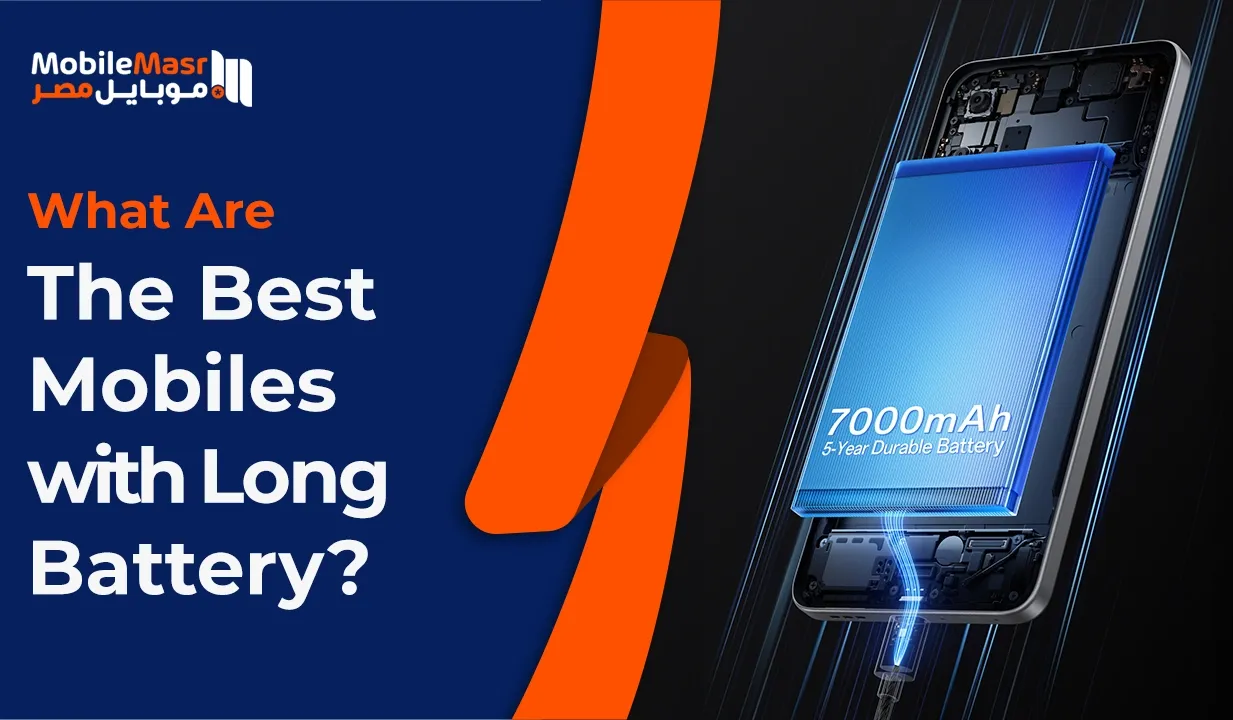
What Are the Best Mobiles with Long Battery Life in 2026?
What Makes a Mobile Have Long Battery Life in 2026?
Large batteries (5000–7000 mAh), efficient 3–4 nm processors, LTPO adaptive screens, AI-based power management, and optimized 5G modems. Cool thermal design, smart charging, and improved battery chemistry also contribute to longer endurance and slower degradation.
What Role Does Battery Capacity Play in Mobile Longevity?
Battery capacity is crucial when it comes to smartphone longevity. It’s measured in milliamp-hours (mAh), which indicates how much energy the battery can store. In 2026, most high-performance smartphones range from 4000mAh to 6000mAh, ensuring ample power for a full day of usage. However, sheer capacity isn't the sole factor; efficiency in design and power management also plays a significant role.
How Many mAh Should You Look for in a Long-Lasting Phone?
For a phone that lasts throughout the day, look for a battery capacity of at least 5000mAh. This capacity is becoming the standard for modern phones and is especially important for heavy users engaging in activities like gaming or video streaming. Phones with 5000mAh+ batteries typically offer a comfortable buffer, allowing users to avoid frequent recharging.
Does Higher Battery Capacity Always Mean Better Battery Life?
Not necessarily. While higher capacity usually translates to longer battery life, efficiency is key. For instance, a phone with a 4500mAh battery utilizing advanced power-saving technologies can outlast a 6000mAh device with poor energy management. Features like adaptive brightness, optimized displays, and efficient chipsets can dramatically enhance performance.
How Does Processor Efficiency Affect Battery Performance?
Processor architecture significantly affects battery performance. In 2026, chipsets built on a 4nm or 3nm process provide better efficiency. The smaller the fabrication process, the less power is required, leading to longer battery life. Efficient processors reduce heat output and extend battery longevity through optimized energy usage.
What Is the Difference Between 4nm and 3nm Chipsets in Battery Consumption?
The transition from 4nm to 3nm chipsets results in improvements in efficiency. Chips made on a 3nm process can operate at lower voltages and consume less energy while delivering similar or better performance. This small shift can lead to noticeable improvements in battery life, making it essential for manufacturers to adopt the latest technology.
Which Processors Are Known for Best Power Management in 2026?
Leading the market are chipsets like Apple's A17 Bionic and Qualcomm's Snapdragon 8 Gen 3. These processors integrate advanced power management systems, allowing users to enjoy improved battery longevity. Additionally, their capability to handle multiple tasks without excessive energy consumption solidifies their position in the realm of long-lasting battery phones.
Why Is Display Technology Important for Battery Life?
Display technology can have a profound impact on battery life. OLED and AMOLED screens are known for their ability to turn off individual pixels, consuming less power when displaying darker images. They outperform traditional LCDs, which need to power the entire backlight, leading to increased energy consumption.
How Do AMOLED Screens Save Battery Compared to LCD?
AMOLED screens are designed to illuminate each pixel individually. This design means that when black images are displayed, those pixels remain off, conserving energy. In contrast, LCD screens use a constant backlight, consuming more power regardless of screen content. For users seeking long-lasting battery performance, AMOLED displays are a superior choice.
What Is LTPO Technology and How Does It Extend Battery Life?
Low-Temperature Polycrystalline Oxide (LTPO) technology enables dynamic refresh rates, adapting to different usage scenarios. For instance, during static content viewing, the refresh rate can drop to as low as 1Hz, dramatically reducing battery consumption. This technology ensures that users have vibrant visuals without sacrificing battery life.
What Software Optimizations Help Extend Battery Life?
In 2026, manufacturers are increasingly incorporating intelligent software optimizations aimed at prolonging battery life. Features like adaptive battery management leverage AI to learn user habits, adjusting power consumption accordingly. By minimizing activity of less frequently used apps, devices can significantly extend battery longevity.
How Do AI-Powered Battery Management Systems Work?
AI-powered systems analyze user patterns to optimize energy distribution effectively. They monitor app usage and limit background processes, ensuring that resource-intensive applications do not drain the battery unnecessarily. This technology provides users with longer-lasting devices that adapt to their daily routines.
What Background App Restrictions Improve Battery Performance?
Limiting background activity is crucial for improving battery performance. Users can adjust settings to restrict apps from running in the background, conserving battery life and performance. Features such as adaptive battery and battery saver modes on various operating systems enable users to have better control over their device's power consumption.
Which Are the Best Mobiles with Long Battery Life in 2026?
The best mobiles with long battery life in 2026 include the Samsung Galaxy S26 Ultra, iPhone 18 Plus, Asus ROG Phone 9, Xiaomi Redmi Note 15 Pro, and OnePlus 14. These phones offer large batteries, efficient chipsets, and advanced power-saving features, delivering excellent endurance for heavy daily use.
What Are the Top Samsung Phones with Long Battery Life in 2026?
Samsung remains a strong contender in the mobile battery market. The Samsung Galaxy S26 Ultra offers an outstanding battery life, lasting up to 18 hours of screen time. Its combination of a 5000mAh battery and optimized software ensures that users stay powered throughout the day.
How Long Does Samsung Galaxy S26 Ultra Battery Last?
The battery life on the Galaxy S26 Ultra is impressive, thanks to its extensive energy management features. Users can expect the device to last over a full day on a single charge, even with intensive use, making it a top choice for anyone seeking long-lasting performance.
Is Samsung Galaxy A Series Good for Battery Life?
Yes, the Samsung Galaxy A Series, particularly models like the A54, offers excellent battery performance for a budget segment phone. With a 5000mAh battery, users can rely on it for a full day of regular usage. The A Series strikes a balance between affordability and features, including robust battery life.
What Battery Features Does Samsung One UI Offer?
Samsung’s One UI incorporates various features designed to enhance battery life. These include power-saving modes, adaptive brightness, and a dedicated battery health manager, all designed to maximize usage efficiency and longevity.
What Are the Best iPhones for Battery Life in 2026?
Apple continues to innovate with its iPhone lineup. The iPhone 17 Pro Max presents an excellent battery option in 2026, packed with a powerful 5000mAh battery and the A17 Bionic chip, ensuring efficiency. The combination not only provides extended battery life but also performance.
How Does iPhone 17 Pro Max Battery Compare to Previous Models?
The iPhone 17 Pro Max showcases remarkable improvements over its predecessors, featuring enhanced battery life thanks to more efficient chip technology and optimized software. Users can expect up to 20 hours of video playback, which is a significant upgrade.
Why Is Apple's A-Series Chip Efficient for Battery?
Apple's A-Series chips are engineered for efficiency. With powerful performance in mind, these chips manage power consumption exceptionally well, ensuring that users experience prolonged battery life without sacrificing speed or performance.
What iOS Features Help Extend iPhone Battery Life?
iPhones come equipped with various features such as Low Power Mode, optimized battery charging, and app management tools that help users prolong battery life. These settings intelligently manage background activity and reduce strain on the battery.
Which Xiaomi Phones Offer the Longest Battery Life in 2026?
Xiaomi stands out for long-lasting battery performance, especially with the Xiaomi 15 Ultra. Equipped with a 6000mAh battery, this phone offers unparalleled usage duration, ensuring that users can engage in activities without worrying about recharging.
How Big Is the Battery in Xiaomi 15 Ultra?
The Xiaomi 15 Ultra not only boasts a 6000mAh battery but also incorporates power-saving technologies that allow for extended use. Users can comfortably enjoy video streaming and gaming for hours without the need for frequent charging.
What Makes MIUI Power-Efficient?
MIUI is designed with battery preservation in mind, featuring software optimizations to reduce power consumption without affecting performance. This efficiency is crucial for users seeking a phone that can last through heavy daily use.
What Are the Best OPPO and Vivo Phones for Battery Life?
OPPO and Vivo offer great options. The OPPO Find X8, with its 5000mAh battery, provides amazing battery efficiency combined with fast-charging capabilities. Similarly, Vivo's V21 offers long-lasting battery life with innovative energy-saving features.
How Does OPPO Find X8 Battery Performance Compare?
The OPPO Find X8 demonstrates impressive battery performance, lasting up to two days on standard usage. Its charging speed is also noteworthy, featuring fast charging that allows users to get back up to full power quickly.
What Battery Innovations Does Vivo Offer in 2026?
Vivo continues to introduce impressive innovations in battery technology, such as their enhanced fast-charging systems and energy-efficient processors. The focus on minimizing energy consumption sets Vivo phones apart as competitive options for battery performance.
How Do You Choose the Best Mobile with Long Battery Life?
Look for 5000–6000 mAh batteries, efficient chipsets (latest Snapdragon/Dimensity), adaptive displays, optimized software, and fast charging. Check endurance ratings, thermals, and real-world tests. Consider your usage style to balance capacity, performance, and charging convenience.
What Battery Size Is Ideal for Heavy Users?
For heavy users who engage in demanding tasks like gaming or streaming, a battery size of 6000mAh or more is ideal. This ensures that power-intensive activities do not compromise overall battery life throughout the day.
How Much Battery Do You Need for Gaming?
Gaming can cause significant battery drain. A phone with a minimum of 5000mAh is recommended for users who want to game for extended periods without interruptions. Fast-refresh-rate displays and efficient processors aid in optimizing gaming performance while managing battery draw.
What Battery Capacity Works Best for Video Streaming?
For frequent video streaming, a battery capacity of at least 5000mAh is necessary. It ensures adequate usage without the hassle of regular charging, allowing users to enjoy their favorite shows and movies seamlessly.
Does Fast Charging Affect Long-Term Battery Health?
Fast charging does have implications for long-term battery health, particularly if used excessively. However, modern smartphones are designed with advanced charging management systems that mitigate these effects, allowing for safe fast charging without significantly degrading battery health.
What Is the Difference Between 65W and 120W Charging?
The main difference lies in charging speed and efficiency. 120W charging can typically recharge a device much faster than 65W. However, excessive reliance on high-speed charging can affect battery longevity if not managed properly.
How Can You Preserve Battery Health While Fast Charging?
To preserve battery health during fast charging, it's advisable to avoid charging when the battery is already full and to avoid using the phone while charging. Utilizing official chargers designed for your device can also enhance charging safety and maintain battery health.
Should You Choose Wireless Charging for Battery Convenience?
Wireless charging offers convenience, but can also lead to slower charging speeds compared to wired options. While it’s an excellent feature for casual use, frequent users should consider both options based on their specific charging needs.
Does Wireless Charging Reduce Battery Lifespan?
While some evidence suggests that wireless charging may produce more heat, which can be detrimental, modern phones come equipped with thermal management systems designed to mitigate potential damage, making it a safe option for regular use.
What Phones Support Fastest Wireless Charging in 2026?
As of 2026, several models feature industry-leading fast wireless charging capabilities, including the Samsung Galaxy S26 Ultra and iPhone 17 Pro Max, both supporting high wattage wireless charging to minimize downtime.
What Features Drain Mobile Battery the Most?
High-refresh-rate displays, 5G connectivity, GPS navigation, gaming, camera processing, and background-syncing apps consume the most power. Brightness, hotspot use, and inefficient apps also increase drain. Intensive AI processes and constant notifications further reduce endurance.
How Does 5G Connectivity Impact Battery Life?
5G connectivity can be a significant drain on battery life, often more than its 4G predecessor. Continuous high-speed data consumption requires more energy, putting stress on the battery, particularly in areas with weaker signal integrity.
Should You Turn Off 5G to Save Battery?
For users looking to conserve battery, disabling 5G when not needed is beneficial. Most smartphones allow users to toggle this feature, enabling more efficient performance in areas without strong 5G coverage.
Which 5G Phones Are Most Battery Efficient?
Phones like the Samsung Galaxy S26 Ultra and iPhone 17 Pro Max are engineered with efficient power management for 5G usage, making them stand out in battery performance while utilizing next-gen connectivity.
Why Does High Refresh Rate Drain Battery Faster?
High refresh rates provide smoother visuals; however, they can drain battery life faster due to increased screen activity and power consumption. Consequently, devices that support adaptive refresh rates can fluctuate between settings to maintain efficiency.
Is 120Hz Worth the Battery Trade-Off?
While a 120Hz refresh rate provides smoother scrolling and better gaming experiences, users must weigh this benefit against battery consumption. Phones that offer adaptive refresh rates provide a solution, adjusting automatically to conserve energy.
How Does Adaptive Refresh Rate Save Battery?
Adaptive refresh rate technology allows a screen to dynamically adjust refresh rates based on content. Lower refresh rates during static images save battery, while faster rates enhance motion precision when needed.
How Can You Extend Your Mobile Battery Life?
Use adaptive brightness, limit background apps, disable unused radios (5G, GPS), avoid heat, and use optimized charging. Keep the battery between 20–80% for longevity. Update software regularly and reduce screen refresh rates when possible. Use certified chargers only.
What Are the Best Battery-Saving Settings on Android?
Android devices come with several battery-saving settings that users can enable. Utilizing power-saving modes, disabling location services, and adjusting screen brightness are effective ways to prolong battery endurance.
How Do You Enable Battery Saver Mode Effectively?
All Android devices offer a battery saver mode, which can be activated through settings. This mode typically limits background activity and reduces notifications, effectively extending battery life during critical times.
Which Android Settings Should You Disable to Save Battery?
Certain features contribute to battery drain excessively, such as Bluetooth, Wi-Fi scanning, and live wallpapers. Deactivating these settings when not in use can significantly preserve battery life.
What Are the Best Battery-Saving Settings on an iPhone?
iOS devices feature an array of settings to optimize battery life. Enabling Low Power Mode temporarily reduces background activity and limits certain features, extending battery longevity during crucial moments.
How Does Low Power Mode Work on iOS?
When activated, Low Power Mode reduces background app refresh, mail fetch, and visual effects, significantly extending battery life. Users can enable it through the battery settings to help prolong device usage.
What iPhone Features Should You Turn Off for Better Battery?
Functions like Bluetooth, location services, and background app refresh should be disabled when not in use. This helps avoid unnecessary battery drain, improving overall device efficiency.
How Does Dark Mode Help Save Battery?
Many modern devices support dark mode, which can reduce battery drain on OLED displays. By emitting less light from the screen, black pixels consume less power, allowing for extended usage.
Does Dark Mode Work on All Phone Screens?
Not all displays benefit equally from dark mode. OLED and AMOLED screens see significant energy savings, while traditional LCDs are less efficient, as they still illuminate the complete display.
How Much Battery Can Dark Mode Actually Save?
The benefits of dark mode can vary, but users may notice a 10-20% decrease in battery usage while running apps designed with dark color schemes on OLED displays.
What Are the Latest Battery Technologies in 2026?
Advancements include silicon-anode lithium batteries for higher density, graphene-enhanced cells for faster charging, solid-state prototypes with improved safety, and AI-driven power management. New fast-charge systems reach 100–150W safely, with better heat control and longer cycle life.
What Is Silicon-Carbon Battery Technology?
Silicon-carbon battery technology aims to enhance battery density, allowing for smaller, lighter batteries that can hold more energy. This technology is pivotal for the advanced demands of modern smartphones.
How Does Silicon-Carbon Improve Battery Density?
Silicon can store more lithium ions than traditional graphite, leading to higher energy density. This advancement means smartphones can be built with smaller batteries that last longer without sacrificing size or weight.
Which Phones Use Silicon-Carbon Batteries in 2026?
Several leading smartphone manufacturers are integrating silicon-carbon batteries, with models from Samsung and Apple showcasing this innovative technology, aiming for enhanced performance.
What Is Solid-State Battery Technology?
Solid-state batteries use solid electrolytes instead of liquid ones, which enhances safety and energy density. This technology is expected to revolutionize mobile battery performance in the coming years.
When Will Solid-State Batteries Be Available in Phones?
While some prototypes exist, mass production of solid-state batteries is anticipated within the next few years. Major manufacturers are investing in this technology for future flagship devices.
What Are the Advantages of Solid-State Batteries?
Solid-state batteries promise tighter safety standards, greater energy density, and longer life spans compared to lithium-ion batteries. This innovation is set to impact the industry by offering safer and more efficient energy storage options.
How Do Battery Life Tests and Ratings Work?
Tests simulate real usage—web browsing, video playback, gaming, standby drain, and charging speed. Benchmarks measure hours of continuous activity. Ratings combine capacity, efficiency, screen-on time, and endurance metrics to predict real-world performance based on standardized testing procedures.
What Is Screen-On Time and How Is It Measured?
Screen-on time refers to how long a device can be actively used from a full charge, measured during standardized tests. It provides users insight into practical battery performance in daily scenarios.
What Is Considered Good Screen-On Time in 2026?
A screen-on time of 10-15 hours is considered optimal for modern smartphones. The ability to maximize screen-on time without losing power indicates efficient energy usage and robust battery capacity.
How Accurate Are Manufacturer Screen-On Time Claims?
Manufacturer claims can vary significantly from real-world usage due to different factors affecting battery life. Users are encouraged to rely on independent tests for a more accurate assessment.
How Do You Interpret Battery Benchmark Scores?
Battery benchmark scores assess device performance based on usage scenarios. Higher scores typically indicate better overall battery management, while consistent results among devices suggest reliability.
What Are the Most Reliable Battery Testing Apps?
Apps like AccuBattery and GSam Battery Monitor provide real-time tracking of battery health and usage statistics, giving users insights into performance and opportunities for improvement.
How Do Real-World Results Compare to Benchmarks?
Real-world usage often reveals discrepancies compared to controlled benchmarks. While benchmarks provide a guideline, actual usage scenarios can yield improved or inferior results based on user habits and settings.
What Are the Best Mobiles with Long Battery Life by Price in Egypt 2026?
Budget: Redmi 15 Power, Realme C85 Max (6000–7000 mAh).
Mid-range: Samsung A38, Xiaomi Note 14 Pro Max (5000–5500 mAh, efficient chipsets).
Flagship: Samsung S26 Ultra, iPhone 18 Max, Xiaomi 16 Ultra—optimized efficiency, adaptive displays, and advanced battery chemistry.
What Are the Best Budget Phones Under 10,000 EGP with Long Battery?
Several budget options provide excellent battery performance without breaking the bank. Devices like the Redmi Note 12 offer 6000mAh batteries, ensuring all-day use with minimal compromise.
Which Budget Phones Offer 6000mAh Battery or More?
In the budget segment, options such as the Samsung Galaxy M32 boast impressive 6000mAh batteries, making them a go-to for users seeking reliable long-lasting performance at affordable prices.
Do Budget Phones Compromise on Battery Quality?
Not necessarily. Many budget phones now come equipped with solid battery technology and management systems, ensuring they can compete with more expensive models in battery endurance and efficiency.
What Are the Best Mid-Range Phones Between 10,000-25,000 EGP with Great Battery?
Mid-range contenders like the A54 provide excellent battery life featuring 5000mAh or more, blending performance with efficiency. These devices are perfect for users wanting both reliability and access to modern features.
Which Mid-Range Phones Offer Best Battery-to-Price Ratio?
Mid-range phones like the Moto G Power have established a reputation for delivering both value and lasting battery performance, making them smart investments for savvy shoppers.
Do Mid-Range Phones Have Fast Charging Features?
Many mid-range models now feature fast charging capabilities, allowing for swift power ups, which is particularly beneficial for users who are on the go, ensuring reduced downtime.
What Are the Best Flagship Phones Over 25,000 EGP with Excellent Battery?
Flagship devices like the Samsung Galaxy S26 Ultra are top choices for users prioritizing long battery life. With their advanced features and high capacity, they cater to demanding users.
Are Flagship Phones Worth It for Battery Life?
Yes. While they come with a higher price tag, flagship phones often integrate the latest in battery technology and power management, providing superior longevity and performance.
Which Flagship Has the Longest Battery Life in 2026?
The iPhone 17 Pro Max tops the list for flagship devices with impressive battery life, thanks to its efficient design and high-capacity battery, ensuring users can go longer between charges.
How Do Different Use Cases Affect Mobile Battery Requirements?
Heavy gaming, video editing, and 5G streaming require larger batteries and efficient cooling. Light users need less capacity but benefit from optimized software. Frequent travelers need fast charging and power-efficient modems. Battery size, chipset efficiency, and display refresh rate must match usage patterns.
What Battery Life Do You Need for Business and Productivity Use?
For business users, a battery life of 12-24 hours is ideal, accommodating all-day meetings and document work without the need for frequent charging interruptions.
Which Phones Are Best for All-Day Business Use?
Devices like the Samsung Galaxy S26 Ultra provide robust battery life, catering perfectly to professionals needing reliability during busy workdays.
How Do Email and Office Apps Affect Battery?
Continuous use of email and productivity apps can significantly drain the battery. Opting for phones with larger batteries or effective energy management systems can help mitigate this effect.
What Battery Capacity Is Best for Students?
Students often benefit from phones with at least 5000mAh, providing enough power for online classes and study sessions without constant recharging, ensuring uninterrupted learning.
Do Online Learning Apps Drain Battery Quickly?
Yes, online learning apps can be intensive on battery life, primarily due to constant activity and data usage. Choosing a phone with a robust battery becomes essential for the student demographic.
Which Budget Phones Are Best for Student Use?
Budget-friendly offerings like the Motorola G Power are ideal for students, balancing cost with features and impressive battery performance.
What Battery Features Do Travelers Need in a Phone?
Travelers generally require phones with strong battery life and fast-charging capabilities. Devices like the Xiaomi 15 Ultra meet these demands with effective travel features.
Which Phones Work Best for Navigation and Travel Apps?
Smartphones like the Google Pixel 7 are optimized for navigation, offering great battery endurance while helping users stay connected on their journeys.
How Important Is Fast Charging for Travelers?
Fast charging is invaluable for travelers, ensuring quick power-ups between stops. Users prefer devices that can rapidly charge, minimizing downtime and allowing for more exploration.
How Does Climate Affect Mobile Battery Performance in Egypt?
Egypt’s high temperatures accelerate battery degradation, causing faster draining, overheating, and reduced long-term capacity. Extreme heat stresses lithium-ion cells, especially during charging. Keeping phones shaded, avoiding car dashboards, and using protective cooling habits helps maintain battery health in hot climates.
Does Hot Weather Reduce Battery Life?
Yes, hot climates can negatively impact battery performance. High temperatures accelerate chemical reactions within the battery, leading to faster degradation and potential issues.
What Temperature Is Harmful for Phone Batteries?
Temperatures above 35°C can be particularly harmful, reducing battery efficiency and lifespan. Users in hotter climates should store phones in cool environments to maintain optimal function.
How Can You Protect Your Phone Battery in Summer?
Keep devices out of direct sunlight and avoid leaving them in hot vehicles. Utilizing cases can help protect against heat while ensuring that devices remain functional during peak temperatures.
How Should You Store Your Phone to Preserve Battery Health?
For long-term storage, it’s best to keep phones in a cool, dry place, ideally with a charge of around 50%. Storing at full charge or low charge can negatively impact battery health.
What Is the Ideal Storage Temperature for Phones?
The ideal storage temperature for phones is between 15°C and 25°C. Staying within this range ensures the battery remains healthy and performance is maintained.
Should You Store a Phone with Full or Partial Charge?
It’s recommended to store devices with a partial charge—around 50%—to prevent wear on the battery over time. This practice helps maintain battery longevity.
What Are Common Battery Problems and How Do You Fix Them?
Common issues include fast draining, overheating, slow charging, and sudden shutdowns. Fixes include closing background apps, replacing old chargers, updating software, calibrating the battery, limiting high-drain apps, and replacing degraded batteries. Avoid heat exposure and ensure genuine charging accessories.
Why Does Your Phone Battery Drain So Fast?
Excessive battery drain can result from several factors, including background app usage, location services, and outdated software. Analyzing and managing these aspects can effectively improve battery performance.
How Do You Diagnose Fast Battery Drain Issues?
Tools and apps like AccuBattery can help identify what is draining your battery. Understanding usage patterns and making necessary adjustments can lead to better management.
What Are Signs of a Failing Phone Battery?
Common signs include rapid battery drain, overheating, or physical deformation. If a battery shows these symptoms, replacement is typically necessary to ensure device reliability.
How Do You Fix Battery Overheating Issues?
Address overheating by reducing background processes, disabling unused features, and avoiding heavy use during charging. If the problem persists, consider professional examination or battery replacement.
What Causes Phone Battery to Overheat?
Factors include intensive tasks, high ambient temperatures, and charging while using power-hungry applications. Managing these elements can assist in preventing overheating.
When Should You Replace an Overheating Battery?
If overheating is frequent despite following corrective measures, it’s advisable to replace the battery to avoid potential hazards and ensure device reliability.
How Do You Calibrate Your Phone Battery?
Calibration involves fully charging the phone, then letting it drain completely before charging it again. This process helps the device accurately measure battery levels over time.
Does Battery Calibration Actually Work?
Calibration can help improve battery performance by ensuring that the device accurately reflects charge levels. It’s a recommended once-in-a-while maintenance practice.
How Often Should You Calibrate Your Battery?
Calibration isn’t necessary frequently; doing it every few months or when experiencing significant battery issues is adequate. Regular use and monitoring should maintain performance levels.
Visit mobilemasr.com for detailed reviews and comparisons as you explore which phone suits your needs best! Make informed choices and enjoy the benefits of your new smartphone!
FAQs
CONTACT US
Download the app


CONTACT US


Payment Methods










Shipping with

©2026 MobiTech Integrated Solutions. . All Rights Reserved
©2026 MobiTech Integrated Solutions. . All Rights Reserved