
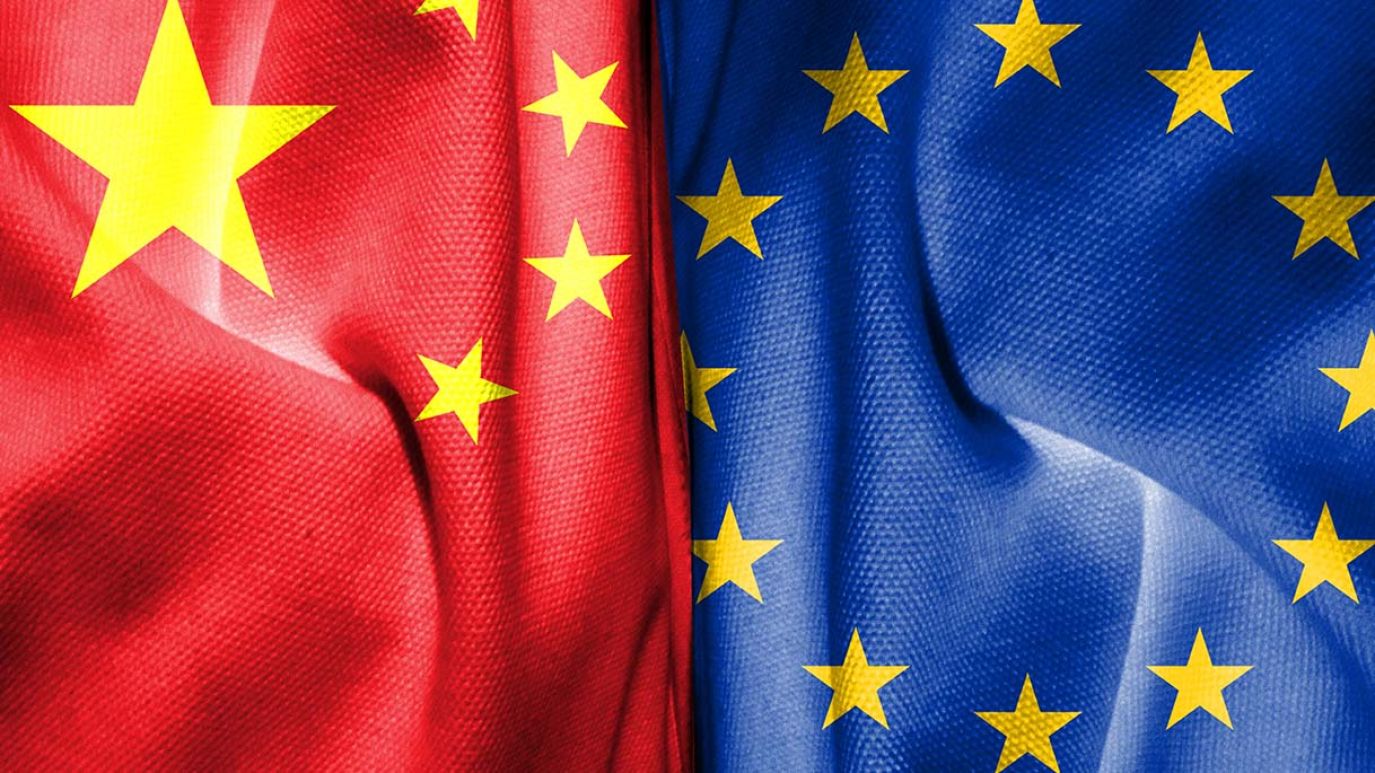
EU Advises Member States Against Using Huawei and ZTE Networking Equipment — China Warns of Retaliation
EU Renews Pressure to Exclude Huawei and ZTE — This Time More Seriously
The European Commission has recommended that its 27 member states exclude Huawei and ZTE equipment from their telecommunications infrastructure, broadening the original ask beyond mobile networks to the wider stack of telecoms and digital plumbing on which the Union depends.
The History of This File
The EU first adopted its 5G Cybersecurity Toolbox in January 2020. In June 2023, the European Commission stated that restrictions imposed by some member states on Huawei and ZTE were justified and that the two Chinese companies presented "materially higher risks" compared with other 5G suppliers because of their links to third-country legislation concerning intelligence gathering and data security.
What Changed on May 4, 2026?
The new recommendation is formally non-binding, but the context is entirely different. On January 20, 2026, Henna Virkkunen, the EU's Executive Vice-President for Tech Sovereignty, presented a cybersecurity package designed precisely to convert the soft instrument into a hard one. Under the proposed law, components from designated high-risk suppliers would have to be removed from key network infrastructure within 36 months of the rules taking effect.
Reality on the Ground — The Implementation Gap
By Euronews's count, as of February 2024, only 11 of the EU's 27 member states had taken concrete 5G security measures targeting Huawei and ZTE. By the time the Commission's January 2026 package was unveiled, that figure had moved to 13. In other words, after six years of steady regulatory pressure, slightly fewer than half of the member states had acted on the recommendation that has now been re-recommended.
Germany was the most visible holdout — Huawei equipment was estimated to be in approximately 60% of German 5G sites as recently as late 2024.
China's Response
China has strongly objected to the proposal and is threatening countermeasures if it is implemented. Chinese officials have described EU policies toward Chinese networking equipment vendors as "discriminatory" and detrimental to EU-China trade.
The Bigger Picture — Digital Sovereignty Contest
China's Digital Silk Road, which has built telecommunications, data-centre, and submarine-cable infrastructure across more than a dozen Belt-and-Road countries with terms favourable to Beijing's data-sovereignty interests, is a direct counterpart to the EU's effort to disentangle its own infrastructure from Chinese vendors. The two arcs — sovereignty in Brussels and sovereignty in Beijing — are now visibly working against each other.
FAQs
CONTACT US
©2026 MobiTech Integrated Solutions. . All Rights Reserved