
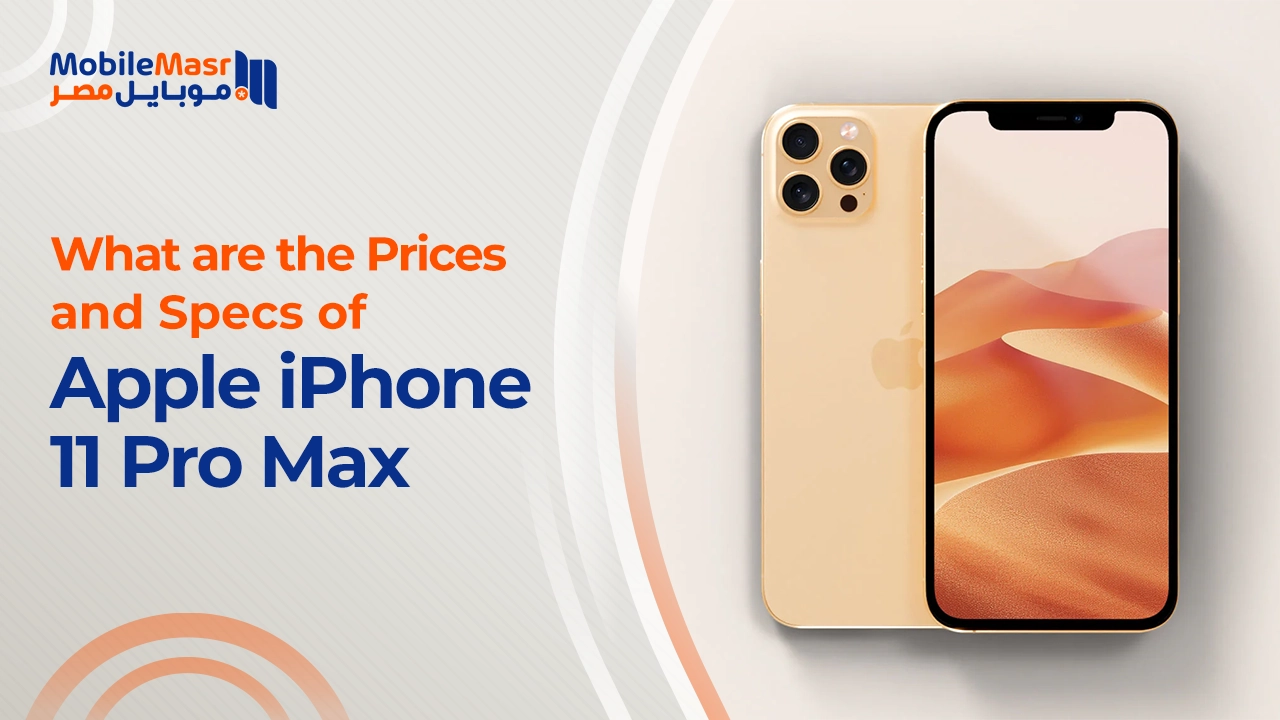
What Makes Apple iPhone 11 Pro Max Still Relevant in Best Apple Mobiles 2026?
What Makes Apple iPhone 11 Pro Max Still Relevant in Best Apple Mobiles 2026?
The Apple iPhone 11 Pro Max remains a strong contender among the “best Apple mobiles” in 2026 because it balances performance, features, and value — even though it was released in 2019. With its premium design, powerful chipset, excellent display, and robust camera system, it still delivers a flagship‑level experience without the high cost of newer models.
For users who care about reliable iOS performance, solid battery life, and high‑end smartphone photography without paying top dollar for the latest phone, the iPhone 11 Pro Max continues to offer compelling value. Its enduring durability and access to the Apple ecosystem make it a practical choice.
Why Should You Choose Apple iPhone 11 Pro Max Among Best Apple Mobiles?
Choosing Apple iPhone 11 Pro Max in 2026 gives you many of the signature traits that define a high‑end smartphone: a premium design, a large OLED Super Retina XDR display, a powerful A13 Bionic chip, and a triple‑camera system — all wrapped in a device that, while a few years old, still feels modern in daily use.
Compared to newer iPhones, it often costs much less in the resale or parallel market, meaning you get flagship-level features for a more modest price.
For many users, that’s a smart trade‑off: you sacrifice some new extras (e.g. 5G, latest cameras) but keep core strengths — iOS performance, durable build, excellent display quality, and superb photography — making it one of the best Apple mobiles if you care about value and reliability.
What Are the Most Important Specifications of Apple iPhone 11 Pro Max?
Here’s a quick overview of what the iPhone 11 Pro Max packs:
- Display: 6.5‑inch Super Retina XDR OLED screen, 2688 × 1242 resolution, HDR, wide color (P3), with True Tone and high contrast.
- Processor: Apple A13 Bionic chip (six‑core CPU with third‑generation Neural Engine) providing fast and smooth performance.
- Storage & RAM: Configurations of 64 GB, 256 GB, or 512 GB storage (no external expansion) and 4 GB RAM.
- Camera system: Triple rear cameras (Ultra‑Wide, Wide, Telephoto), each 12 MP.
- Battery & Charging: Built-in rechargeable battery, with support for fast charging (up to ~50% in 30 minutes with an 18 W adapter) and wireless charging via Qi.
- Durability: Glass front and back, stainless steel frame, IP68‑rated for water and dust resistance (up to 4 meters deep for 30 minutes).
- Other: Face ID security, stereo speakers, wide connectivity (4G, Bluetooth, NFC, Wi‑Fi), and full access to the Apple ecosystem.
What Processor Powers the Apple iPhone 11 Pro Max and How Does It Perform?
The core of the iPhone 11 Pro Max is the Apple A13 Bionic chip, which includes a six‑core CPU (2 “Lightning” high‑performance cores + 4 “Thunder” efficiency cores) and a third‑generation Neural Engine.
In real-world use, this translates into very responsive performance: apps open quickly, multitasking rarely lags, and even demanding tasks — like photo editing or gaming — remain smooth.
For year‑to‑year iOS updates, the A13 chip still supports all core functions without major slowdown, making the device feel snappy even in 2026. If you care about consistent iOS performance and fluid user experience, the A13 Bionic keeps the iPhone 11 Pro Max relevant.
How Much RAM and Storage Does Apple iPhone 11 Pro Max Offer?
The iPhone 11 Pro Max offers 4 GB RAM, which was standard for flagship devices at its release.
For storage, you can choose between 64 GB, 256 GB, or 512 GB internal storage.
There is no support for external memory cards or storage expansion — as with all iPhones — so selecting the right storage size at purchase is important.
For typical users who store photos, apps, and videos and sync with cloud services, 256 GB is the safe “sweet spot.” If you shoot a lot of video or keep large local media libraries, 512 GB remains the top choice.
What Display Technology Does Apple iPhone 11 Pro Max Feature?
Apple iPhone 11 Pro Max uses a Super Retina XDR OLED display.
This OLED panel delivers deep blacks, high contrast, vivid colors (P3 wide color), HDR support, and excellent overall brightness — with up to 1200 nits peak in HDR content.
The screen measures 6.5 inches diagonally when viewed as a rectangle (actual viewable area slightly less).
For media consumption, gaming, or everyday use, the display remains one of the best on any iPhone even in 2026; its quality rivals many newer models.
What is the Current Price of Apple iPhone 11 Pro Max in Egypt 2026?
As of recent market listings (late 2025 / early 2026), refurbished or used iPhone 11 Pro Max units in Egypt commonly appear between EGP 13,000 and EGP 21,000 depending on storage, condition, and seller.
For example, some listings for a 256 GB or 512 GB model show around EGP 19,800 from certain retailers or parallel‑market sources.
Because it’s no longer sold as new by official retailers (it is now considered “vintage” by the manufacturer) most available units are second‑hand or refurbished, which is why price ranges are broad.
How Does the Apple iPhone 11 Pro Max Price Compare to Other Flagship Phones?
Compared with newer flagship smartphones (especially recent iPhones or high‑end Android devices), the price of iPhone 11 Pro Max in the used market is significantly lower, often by hundreds of dollars equivalently. That makes it a compelling “budget flagship” — you get premium build quality, strong performance, and top‑tier features at a fraction of the cost.
For budget-conscious buyers who don’t need bleeding‑edge features (e.g. 5G, newest camera sensors), the iPhone 11 Pro Max often offers the best price-to-performance ratio among flagship devices.
Where Can You Find the Best Deals on Apple iPhone 11 Pro Max in Egypt?
You can find deals on iPhone 11 Pro Max through:
- Local second‑hand marketplaces and classifieds — as many used units are listed in Cairo, Giza, and other cities.
- Parallel‑market electronics retailers — shops that import refurbished or “parallel” iPhones often sell these at mid‑range prices.
- Online marketplaces selling used or refurbished units — often offering negotiation, reviews, and payment‑on‑delivery.
Because the device is now “vintage” (no longer officially sold new by the manufacturer), you won’t find brand‑new sealed iPhone 11 Pro Max units in official Apple retail channels.
How Good is the Camera System on Apple iPhone 11 Pro Max?
The camera system of iPhone 11 Pro Max remains excellent even by 2026 standards. With a triple‑lens setup — Ultra‑Wide, Wide, and Telephoto — all at 12 MP, and boasting features like Night Mode, Smart HDR, and Portrait mode, it delivers versatile and high-quality results across shooting scenarios.
Whether you take wide landscape shots, detailed zoomed-in photos, or low-light scenes, the combination of lens variety, image processing, and stabilisation makes this phone strong for mobile photography and a top pick among “mobile photography” enthusiasts on a budget.
What Are the Camera Specifications of Apple iPhone 11 Pro Max?
- Triple rear cameras: Ultra‑Wide (ƒ/2.4, 120° angle), Wide (ƒ/1.8), Telephoto (ƒ/2.0).
- Optical zoom: 2× optical zoom in, 2× optical zoom out; digital up to 10×.
- Stabilization: Dual Optical Image Stabilization (Wide + Telephoto).
- Front camera: 12 MP (for selfies, Face ID, video calls).
- Formats: HEIF and JPEG for photos; video up to 4K.
What Makes the Triple Camera Setup of Apple iPhone 11 Pro Max Special?
The triple camera system stands out because it gives real flexibility: Ultra‑Wide for landscapes, Wide for everyday shoots, and Telephoto for portraits or distant subjects. The dual stabilization, Smart HDR, and advanced computational photography help produce vivid colors, sharp details, and well-balanced exposures — often rivaling newer smartphones. The sapphire lens covers and quality glass also help avoid scratches or degradation over time. Altogether, this makes iPhone 11 Pro Max more than capable of delivering high‑end smartphone photography even years after its release.
How Does Apple iPhone 11 Pro Max Perform in Low-Light Photography?
Thanks to Night Mode, advanced image processing, and good lens apertures (especially on the Wide lens), the iPhone 11 Pro Max handles low-light scenes impressively. Photos taken at night or in dim indoor lighting show good exposure, reduced noise, and balanced colors. For many users, it remains among the best in its class for night mode photography — especially if they don’t need cutting‑edge night sensors of the newest phones.
Can Apple iPhone 11 Pro Max Shoot Professional‑Quality Videos?
Yes — the camera supports 4K video recording (with standard lenses), along with digital zoom, stabilization, and wide color capture, making it suitable even for semi‑professional content creation.
For content creators or casual videographers, this means you can shoot high-quality videos, short clips, or social‑media content without needing a separate camera — a big plus if you want a “one-device” solution.
What Photography Features Does Apple iPhone 11 Pro Max Include?
Beyond the hardware, iPhone 11 Pro Max offers several software-driven photography features:
- Night Mode — improves low-light shots automatically.
- Smart HDR — balances dynamic range in bright and shadow areas.
- Portrait Mode + Depth Control + Portrait Lighting effects — for professional-style portraits and bokeh effects.
- Ultra‑Wide lens with 120° field of view — ideal for landscapes, group photos, or cramped spaces.
- Optical zoom (telephoto lens) — for portrait shots without distortion, or distant subjects.
- Image stabilization and fast lens apertures — result in sharper images and better low-light performance.
These make the camera setup not just versatile, but also user-friendly and capable of delivering quality results in different scenarios.
How Effective is Night Mode on the Apple iPhone 11 Pro Max?
Night Mode on the iPhone 11 Pro Max is very effective for most everyday low-light photography. It automatically adjusts exposure, reduces noise, and brightens dark scenes, yielding usable, often impressive shots even in dim environments. Compared to many older or mid-range phones, the difference is noticeable: pictures at night come out clearer, with better detail and natural colors. For casual photographers or even social‑media users, this makes the phone’s low-light performance still very relevant in 2026.
What Ultra‑Wide Angle Capabilities Does Apple iPhone 11 Pro Max Offer?
The Ultra‑Wide lens gives a 120° field of view, which is excellent for capturing landscapes, architecture, large group photos, or tight indoor spaces where you can’t step back.
Its 12 MP resolution and lens design maintain good detail and color even at wide angles — making it a useful creative tool: you can shoot dramatic wide-angle shots, fit more into frame, or experiment with perspectives. That versatility adds to the value of this flagship device as a “mobile photography” tool.
How Long Does the Battery Last on Apple iPhone 11 Pro Max?
What is the Battery Capacity of Apple iPhone 11 Pro Max?
The iPhone 11 Pro Max has a built-in rechargeable battery (approximately 3969 mAh) according to technical specifications.
It supports fast charging (with a compatible 18W charger, the phone can reach ~50% battery in about 30 minutes) and wireless charging (Qi).
How Many Hours of Continuous Use Can Apple iPhone 11 Pro Max Deliver?
Under optimal conditions, the iPhone 11 Pro Max can deliver around 20 hours of video playback, or roughly a full day of mixed use (calls, browsing, photos, apps).
In real-world daily use, many users report that the battery comfortably lasts through a full day. For typical moderate usage — browsing, social media, calls, light media — it often gets you from morning until bedtime. Heavy tasks such as gaming or video editing will shorten that, but still remain reasonable thanks to efficient power management.
What is the Actual Battery Performance of Apple iPhone 11 Pro Max in Daily Use?
In everyday use, the iPhone 11 Pro Max tends to hold up fairly well: thanks to the A13 Bionic chip and optimized iOS battery management, many users still enjoy a full day’s worth of talk, browsing, social media, photos, and even video streaming without needing a midday recharge. Compared to newer phones with 5G or high‑refresh‑rate screens (which drain battery faster), the iPhone 11 Pro Max’s 60 Hz OLED and mature hardware help preserve battery life.
Of course, over years of use, battery health degrades — especially if the phone has been recharged many times — but many second‑hand units still offer acceptable battery endurance (though not “brand new” levels).
How Does Weather Affect Apple iPhone 11 Pro Max Battery Life?
Extreme temperatures — very hot or very cold — can impact battery performance. In hot weather, battery efficiency and health may degrade faster; similarly, in cold weather, runtime may drop. Given Egypt’s often high temperatures, battery life could shorten under heavy use in summer. However, the iPhone 11 Pro Max’s efficiency and power management still handle temperature fairly well, so unless you frequently use it under direct sun for extended periods, performance remains stable.
What Battery Management Features Does Apple iPhone 11 Pro Max Have?
The phone benefits from iOS’s built-in battery optimization: adaptive background activity, intelligent charging cycles, and power‑efficient CPU/GPU scheduling thanks to the A13 Bionic chip. Also, support for fast charging and wireless charging gives flexibility — you can top up quickly or use a Qi pad for convenience. Over time, those features help extend battery health and usability even as the device ages.
What Design and Build Quality Can You Expect from Apple iPhone 11 Pro Max?
What Materials Does Apple Use in Apple iPhone 11 Pro Max Construction?
The iPhone 11 Pro Max uses a glass front and glass back (Corning-made glass) and a stainless steel frame, giving it a premium, solid, and premium feel.
How Durable is the Glass Back and Aluminum Frame of Apple iPhone 11 Pro Max?
While glass always carries some risk of cracking if dropped, the build quality (stainless steel frame, high-quality glass) makes the device sturdier than many mid-range plastic phones. The premium construction also contributes to a “heavy, solid” feel that underscores its flagship identity. With a good protective case and careful use, many units remain functional years later.
What is the Weight and Dimensions of Apple iPhone 11 Pro Max?
The dimensions are 158.0 × 77.8 × 8.1 mm, and it weighs 226 grams.
This gives a fairly substantial, large-screen handset — ideal for users who prefer a larger display for media and productivity rather than a compact form factor.
Is Apple iPhone 11 Pro Max Waterproof or Water Resistant?
Yes — the iPhone 11 Pro Max carries an IP68 rating for dust and water resistance, meaning it can survive submersion in water up to 4 meters deep for 30 minutes (under test conditions) without damage.
That makes it durable against accidental splashes, rain, or brief submersion — a practical advantage in everyday life.
What Performance Can You Get from Apple iPhone 11 Pro Max?
How Does the A13 Bionic Chip Perform in Apple iPhone 11 Pro Max?
The A13 Bionic chip remains very capable even in 2026. It handles everyday tasks like browsing, streaming, social media, and calls with ease — practically no lag. For heavier tasks — video editing, photo processing, gaming — performance remains smooth and stable. As iOS has matured, Apple continues to optimize system performance for older chips like A13, so most users will find the device responsive.
What Gaming Performance Can Apple iPhone 11 Pro Max Deliver?
For mobile gaming, the iPhone 11 Pro Max still holds up admirably. Thanks to the efficient GPU and powerful CPU, games run smoothly, graphics are handled well, and frame drops are rare. For casual to moderately demanding games, the performance is more than acceptable.
How Fast Can Apple iPhone 11 Pro Max Handle Multitasking?
Multitasking — switching between apps, background tasks, photo editing, browsing — is handled fluidly thanks to iOS memory management and the A13 chip. While 4 GB RAM might feel modest compared with newer phones (some now have 8–12 GB), in day-to-day use with optimized software, it's sufficient for smooth performance without constant reloads.
What Software Does Apple iPhone 11 Pro Max Run?
The iPhone 11 Pro Max shipped originally with iOS 13, but as of 2025–2026 it remains compatible with much more recent iOS versions thanks to Apple’s long-term support.
This means you still get up-to-date security updates, app compatibility, and access to most new features in iOS — a major plus compared with many older and budget phones.
Which iOS Versions Are Compatible with Apple iPhone 11 Pro Max?
As of 2025, iPhone 11 Pro Max remains supported — still receiving updates, security patches, and compatibility with current apps, which helps keep it relevant even several years after release.
How Long Will Apple iPhone 11 Pro Max Receive Software Updates?
While there is no official public timeline, Apple generally supports iPhones for many years post-release; given the A13 chip’s continuing capability, it’s reasonable to expect at least a few more years of updates beyond 2026 — though eventual “vintage” or “legacy” status (as with many older models) may limit future support.
How Does Apple iPhone 11 Pro Max Compare to Other Best Apple Mobiles?
What Are the Key Differences Between Apple iPhone 11 Pro Max and iPhone 12 Pro Max?
Compared with later iPhones like iPhone 12 Pro Max, the iPhone 11 Pro Max may lack newer camera sensors, 5G connectivity, or some newer software features — but on the upside it generally costs much less used, while still delivering strong hardware performance, excellent display quality, and solid battery life. For buyers focused on “core phone experience” rather than newest bells and whistles, the 11 Pro Max remains a smart buy.
Which Phone Offers Better Value: iPhone 11 Pro Max or iPhone 12 Pro Max?
If value for money is the priority, the iPhone 11 Pro Max often wins when bought second‑hand — you get flagship-level performance at a lower cost. If you prefer more future-proofing (newer cameras, support, possibly longer update lifespan), then a newer Pro Max might be worth the extra cost.
Has the Camera Improved from iPhone 11 Pro Max to iPhone 12 Pro Max?
Later models may offer improved sensors and computational photography, but the triple‑camera system on iPhone 11 Pro Max remains solid and versatile, and for many everyday users, the difference may be incremental rather than dramatic, especially if lighting is good or you don’t rely heavily on “pro‑level” photo features.
How Does Apple iPhone 11 Pro Max Stack Against iPhone 13 Pro Max?
iPhone 13 Pro Max brings newer hardware, better efficiency, potentially improved cameras, and longer support — but again at a higher cost. For users on a budget who value performance, screen quality, and reliability over having “latest tech,” iPhone 11 Pro Max remains a very competitive option even in 2026.
Is It Worth Upgrading from Apple iPhone 11 Pro Max in 2026?
If you already own an 11 Pro Max and it meets your needs — you don’t depend on 5G or the latest photography features — then there’s limited urgency to upgrade. For power users who want cutting‑edge camera features, 5G, or longer future support, upgrade may make sense, but for many, the 11 Pro Max still holds up as a capable and cost‑effective flagship.
What Makes Apple iPhone 11 Pro Max Different from Non-Pro iPhone 11?
What Premium Features Justify the Apple iPhone 11 Pro Max Price Difference?
Compared to regular iPhone 11, the Pro Max offers: a larger and superior OLED Super Retina XDR display, the triple-camera system (vs dual/triple but usually less flexible on base models), premium stainless steel + glass build, better battery life, and generally more “flagship” feel. These factors justify the price difference and make it stand out among “best Apple mobiles.”
Should You Buy iPhone 11 Pro Max Instead of Regular iPhone 11?
If you value photography versatility, a bigger and better display, premium build, and longer-term performance — then yes, the 11 Pro Max justifies its higher cost. If you prefer a lighter or smaller phone, or you care less about maximum camera or screen quality, then a regular iPhone 11 (or newer standard model) might be more economical.
What Are the Display Features of Apple iPhone 11 Pro Max?
How Large is the Screen of Apple iPhone 11 Pro Max?
The screen measures 6.5 inches diagonally — giving a large, immersive display ideal for media, browsing, and productivity.
What Resolution Does the Apple iPhone 11 Pro Max Display Offer?
The display has a resolution of 2688 × 1242 pixels, delivering high sharpness and clarity with a pixel density of approximately 458 ppi.
What is the Refresh Rate of Apple iPhone 11 Pro Max Screen?
The screen runs at the standard 60 Hz refresh rate.
How Good is the Screen Quality on Apple iPhone 11 Pro Max?
Because it uses OLED technology (Super Retina XDR), the screen delivers deep blacks, high contrast, wide color gamut (P3), HDR support, and excellent brightness levels (up to 1200 nits in HDR), making it ideal for videos, photos, games, and general use.
Does Apple iPhone 11 Pro Max Have an OLED or LCD Display?
It uses an OLED display (Super Retina XDR), not LCD.
What Colors Can the Apple iPhone 11 Pro Max Display Reproduce?
Thanks to wide color (P3) support and high brightness/HDR, the display can reproduce vibrant, accurate colors with rich contrast — ideal for photography, video, and gaming.
What Connectivity Options Does Apple iPhone 11 Pro Max Have?
What Network Bands Does Apple iPhone 11 Pro Max Support in Egypt?
The phone supports 2G, 3G, and 4G LTE networks.
Is Apple iPhone 11 Pro Max Compatible with Egyptian Mobile Networks?
Yes — its support for 4G LTE along with standard GSM/UMTS bands makes it compatible with major Egyptian mobile networks.
Does Apple iPhone 11 Pro Max Support 5G Technology?
No — iPhone 11 Pro Max does not support 5G. It was designed before Apple integrated 5G into iPhones.
What Other Connectivity Features Does Apple iPhone 11 Pro Max Include?
It includes Wi‑Fi, Bluetooth, NFC (for Apple Pay), GPS, and dual-SIM options (Nano‑SIM + eSIM, depending on model).
What Audio Quality Can You Expect from Apple iPhone 11 Pro Max?
How Good Are the Speakers on Apple iPhone 11 Pro Max?
The stereo speakers deliver clear, balanced sound suitable for videos, calls, music, and media — a significant advantage over phones with single or mono speakers. The overall audio quality remains competitive with many newer smartphones.
Does Apple iPhone 11 Pro Max Support Stereo Sound Recording?
Yes — video recording and voice memos benefit from stereo sound capture, leveraging the built-in microphones.
What Audio Formats Can Apple iPhone 11 Pro Max Play?
It supports standard audio formats used in iOS media apps (AAC, MP3, Apple Lossless, etc.), making it compatible with most music and streaming services without issues.
Is There a Headphone Jack on Apple iPhone 11 Pro Max?
No — like all modern iPhones, there is no 3.5 mm headphone jack. You must use wireless headphones or a Lightning-to-audio adapter.
What Accessories Can You Use with Apple iPhone 11 Pro Max for Audio?
You can use Bluetooth headphones/earbuds, Lightning-based wired earphones or adapters, or wireless AirPods. Also, external speakers via Bluetooth work smoothly.
What Colors and Storage Options Are Available for Apple iPhone 11 Pro Max?
What Color Variants Does Apple iPhone 11 Pro Max Come In?
The phone originally shipped in several finishes: Matte Space Gray, Matte Silver, Matte Gold, and Matte Midnight Green.
Which Storage Capacities Can You Choose for Apple iPhone 11 Pro Max?
You can choose from 64 GB, 256 GB, or 512 GB storage.
Is 64GB Storage Enough for Apple iPhone 11 Pro Max Users?
64 GB may be acceptable for light users who rely heavily on cloud storage and stream media instead of storing lots of photos/videos locally. For most users — especially those who shoot photos/videos, install many apps, or store media — 256 GB or 512 GB is more practical.
Should You Choose 256GB or 512GB Apple iPhone 11 Pro Max?
If you plan to use the phone for several years, store many photos/videos, or keep files for offline use, 512 GB offers the most flexibility. If you mostly stream media and don’t expect heavy storage demands, 256 GB is a good balance between capacity and price.
What Is the Warranty and After-Sales Service for Apple iPhone 11 Pro Max in Egypt?
Because the iPhone 11 Pro Max is now old and often sold second‑hand, official warranty coverage can be limited or unavailable. Many units are sold used/refurbished, so warranty status depends on the seller. Some may offer short-term local warranty or none at all.
For service, authorized service centers or local repair shops can handle repairs — but availability of original spare parts might be limited over time. Users should consider possible repair costs and parts availability, especially for issues like battery replacement or screen repair.
What Accessories Are Compatible with Apple iPhone 11 Pro Max?
What Cases and Covers Are Available for Apple iPhone 11 Pro Max?
Because it’s a popular model, many case makers still produce protective cases covering the large 6.5-inch size — from slim silicone covers to rugged heavy-duty cases. Transparent “clear” cases showcase the original finish, while shock‑resistant ones add drop protection.
What Screen Protectors Work Best with Apple iPhone 11 Pro Max?
Tempered‑glass screen protectors are widely available for its 6.5‑inch display; they protect against scratches and cracks without noticeably affecting touch sensitivity or display quality.
However, since the phone is now only available used or refurbished, what’s included depends on the seller — many second‑hand units come only with the phone itself.
If you like, I can update approximate 2026 price ranges for iPhone 11 Pro Max in major Egyptian cities (Cairo, Alexandria, etc.) — that might help you find the best local deal. Check out mobilemasr.com for more. Explore now on mobilemasr.com and find your perfect iPhone 11 Pro Max deal!
FAQs
CONTACT US
©2026 MobiTech Integrated Solutions. . All Rights Reserved